
Last updated October 30, 2026
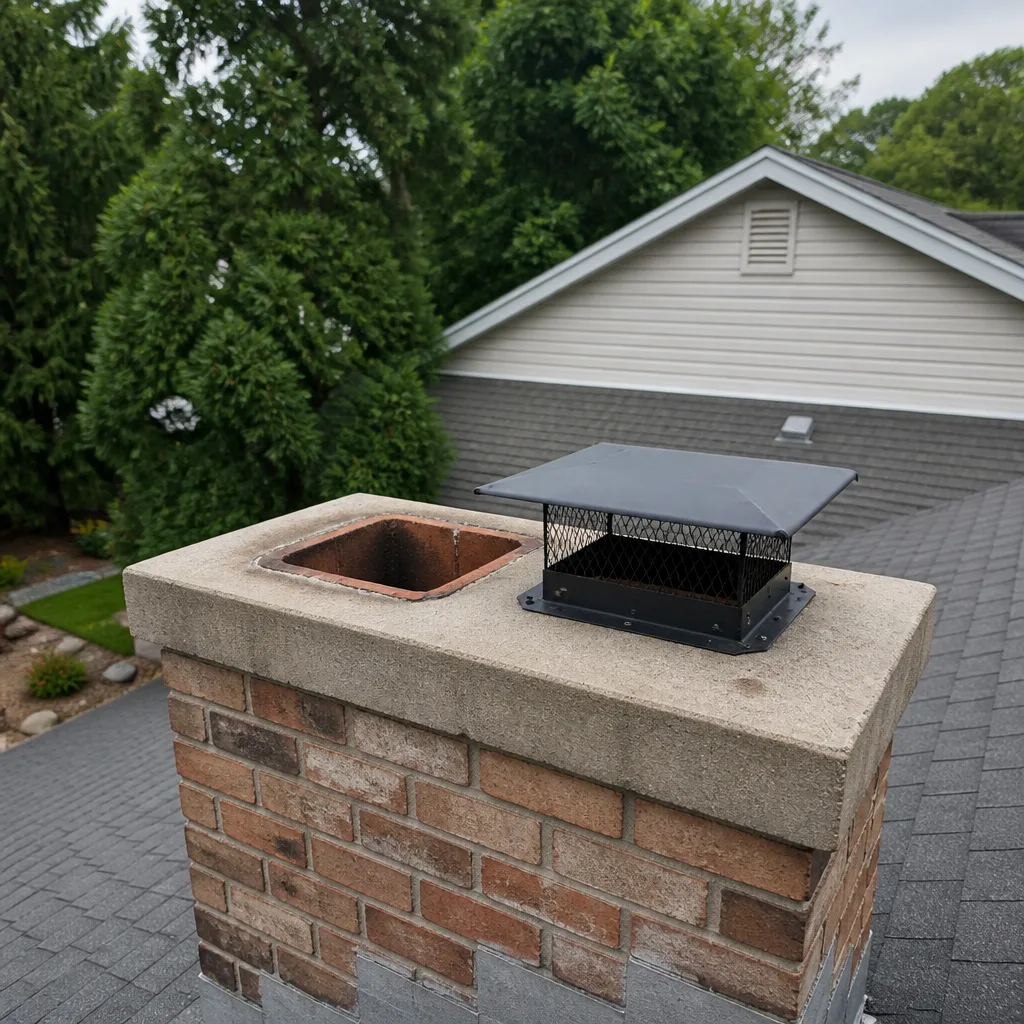 Sweep & inspection
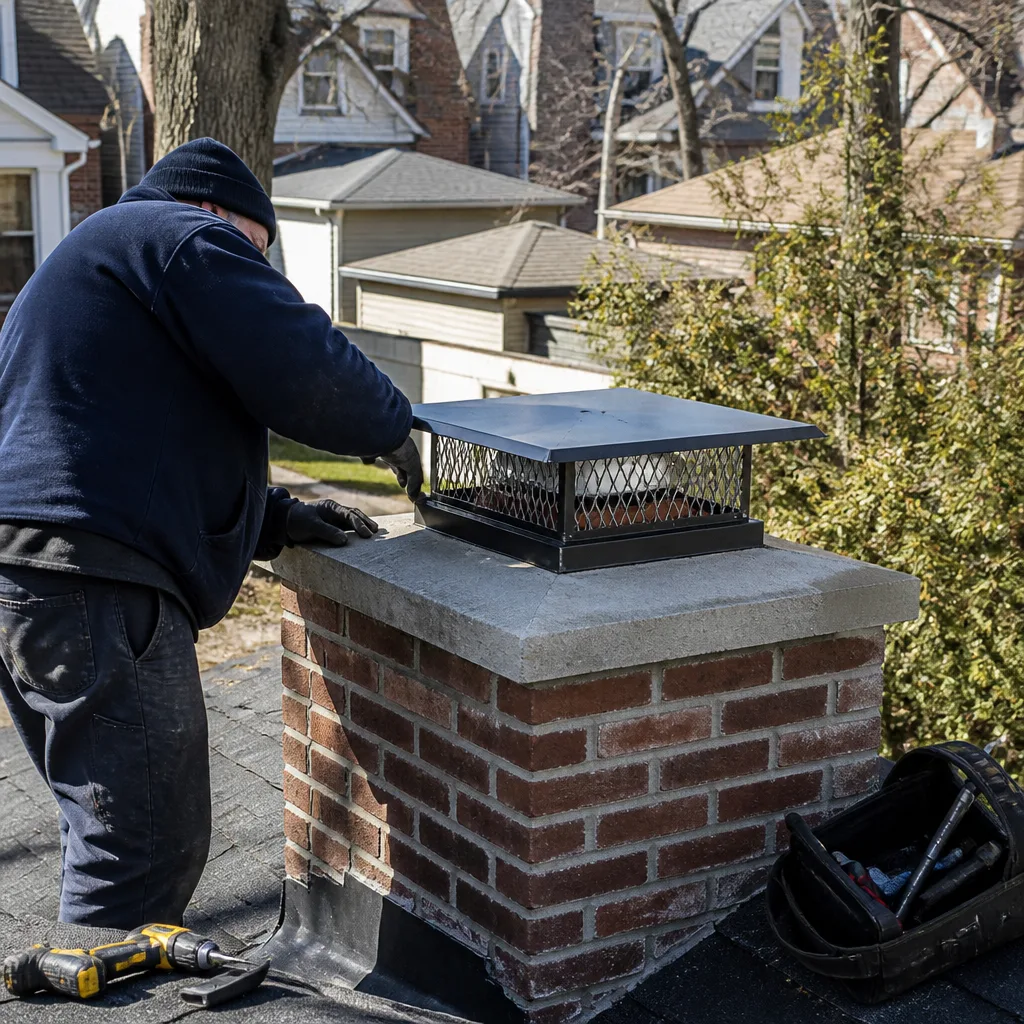
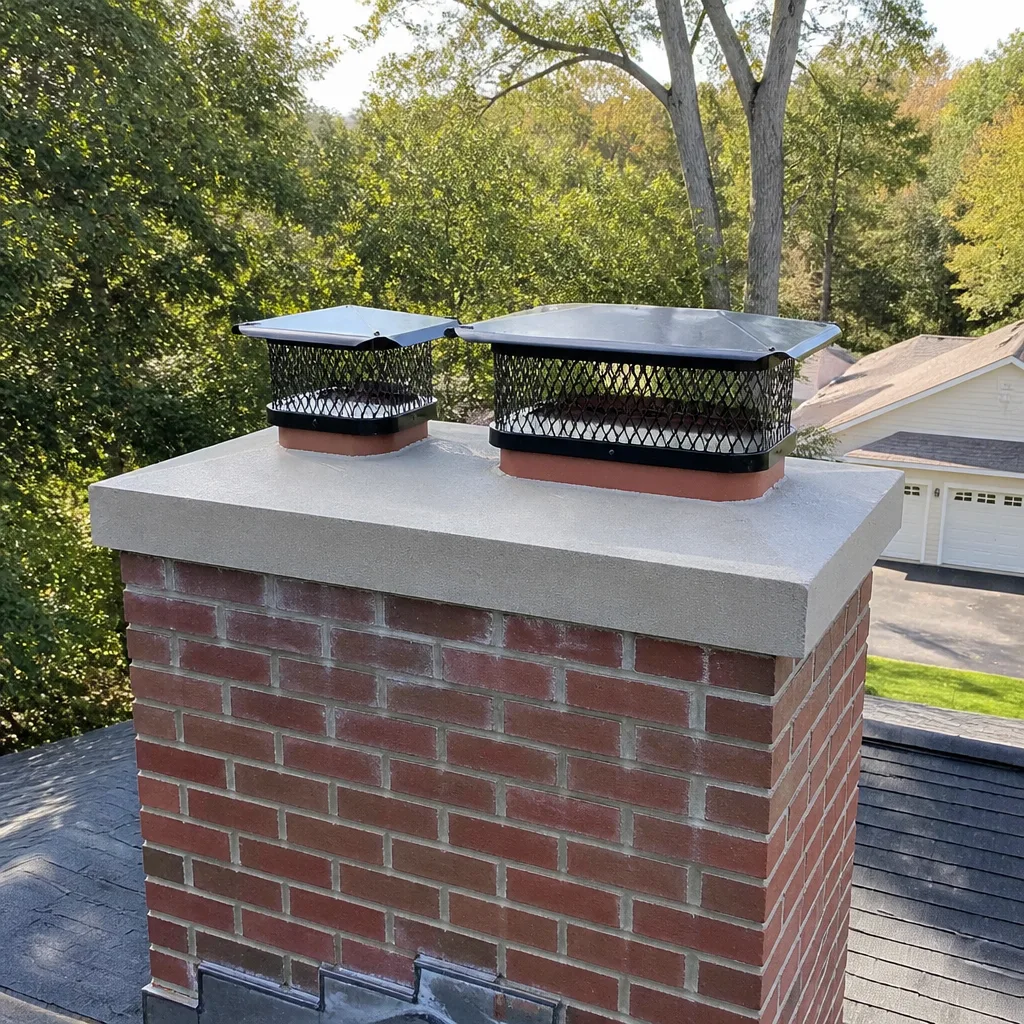 Caps & crowns
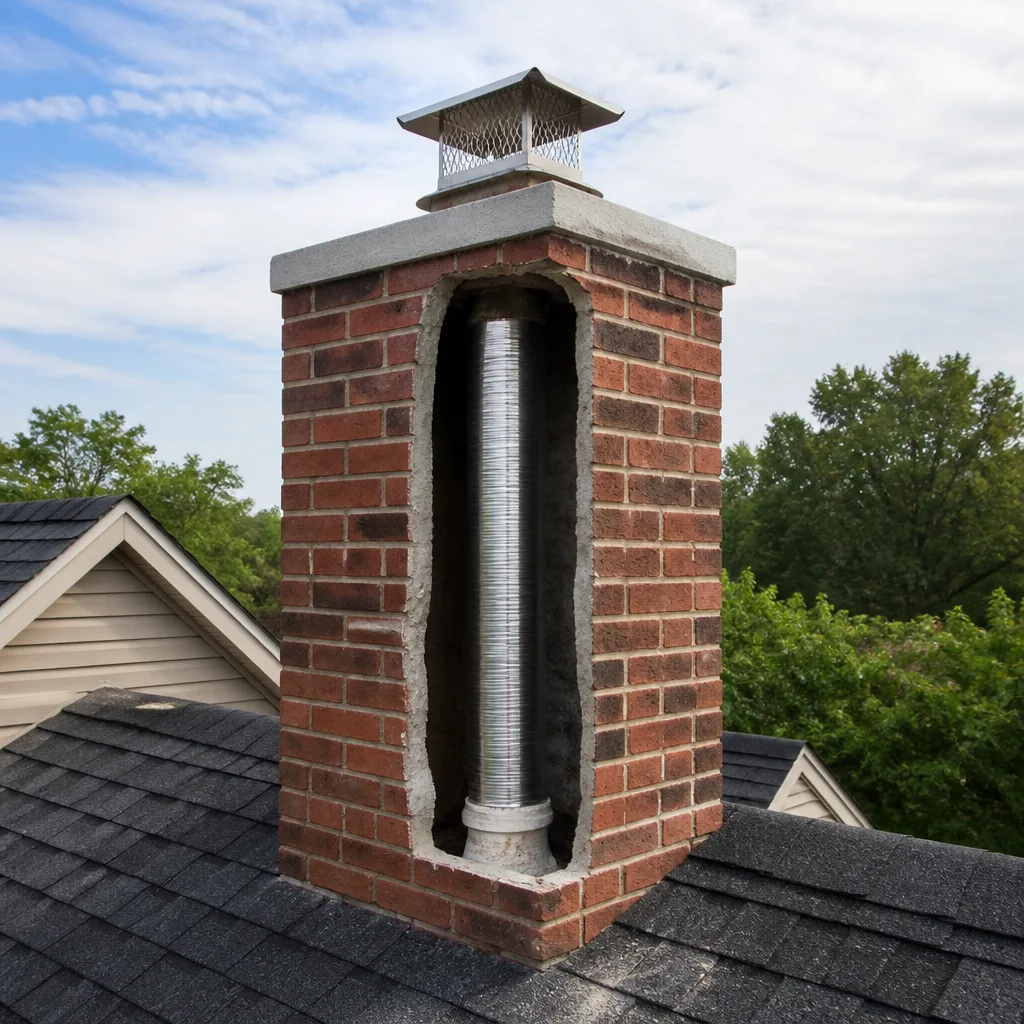 Flue relining
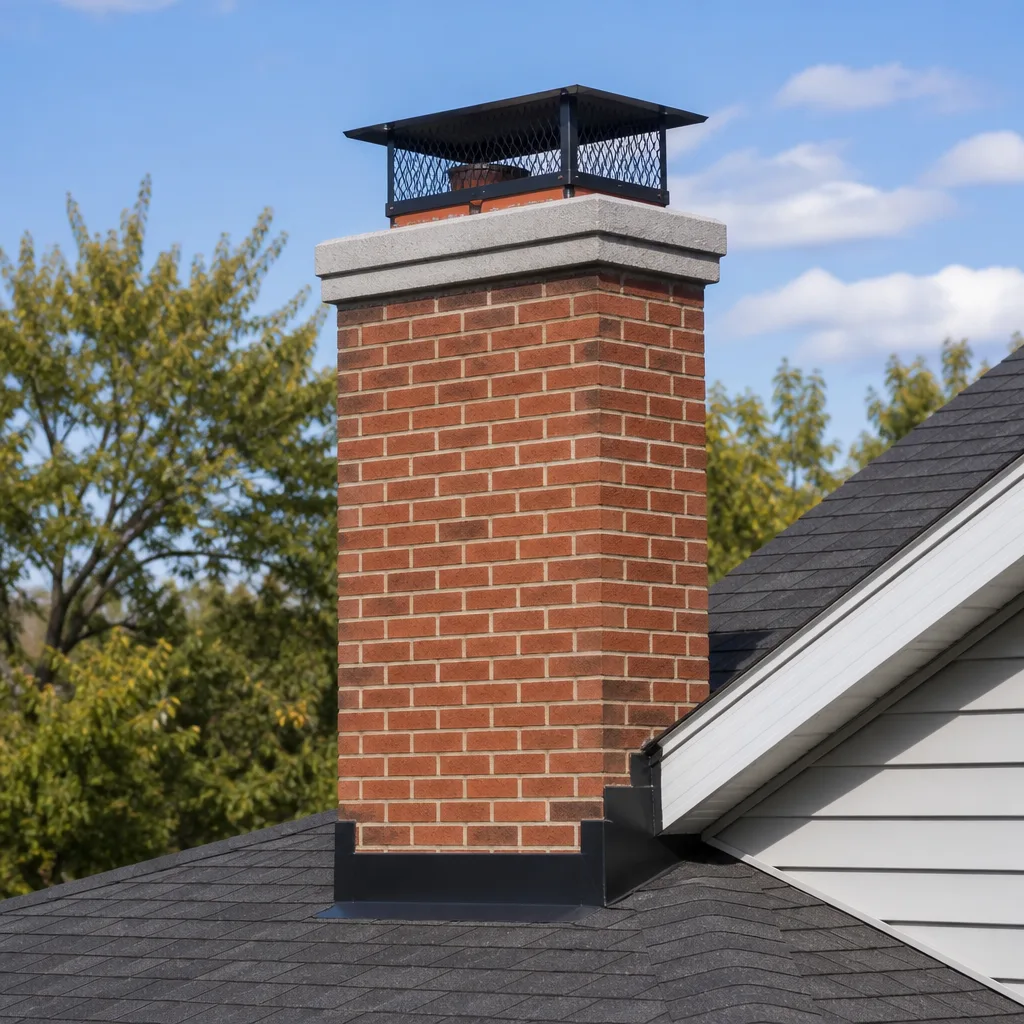 Masonry repair
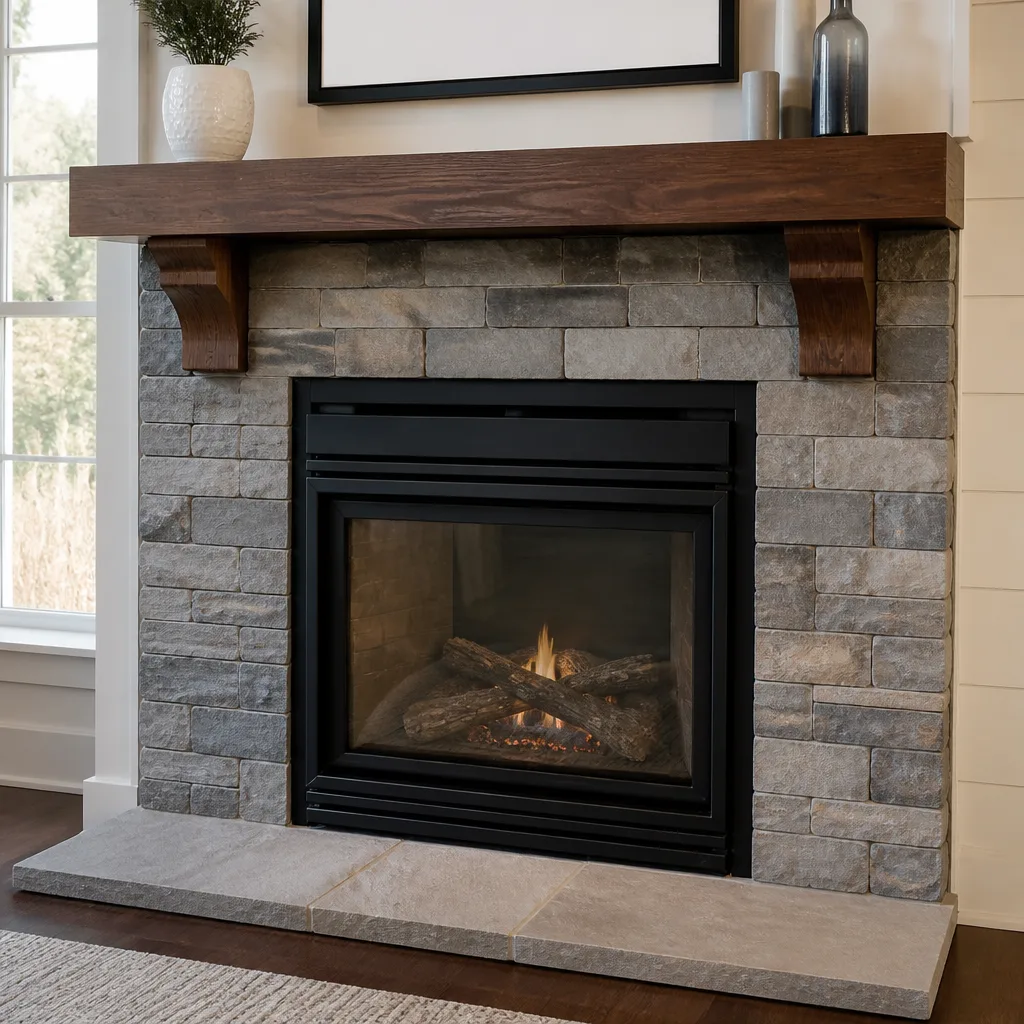 Gas fireplace service
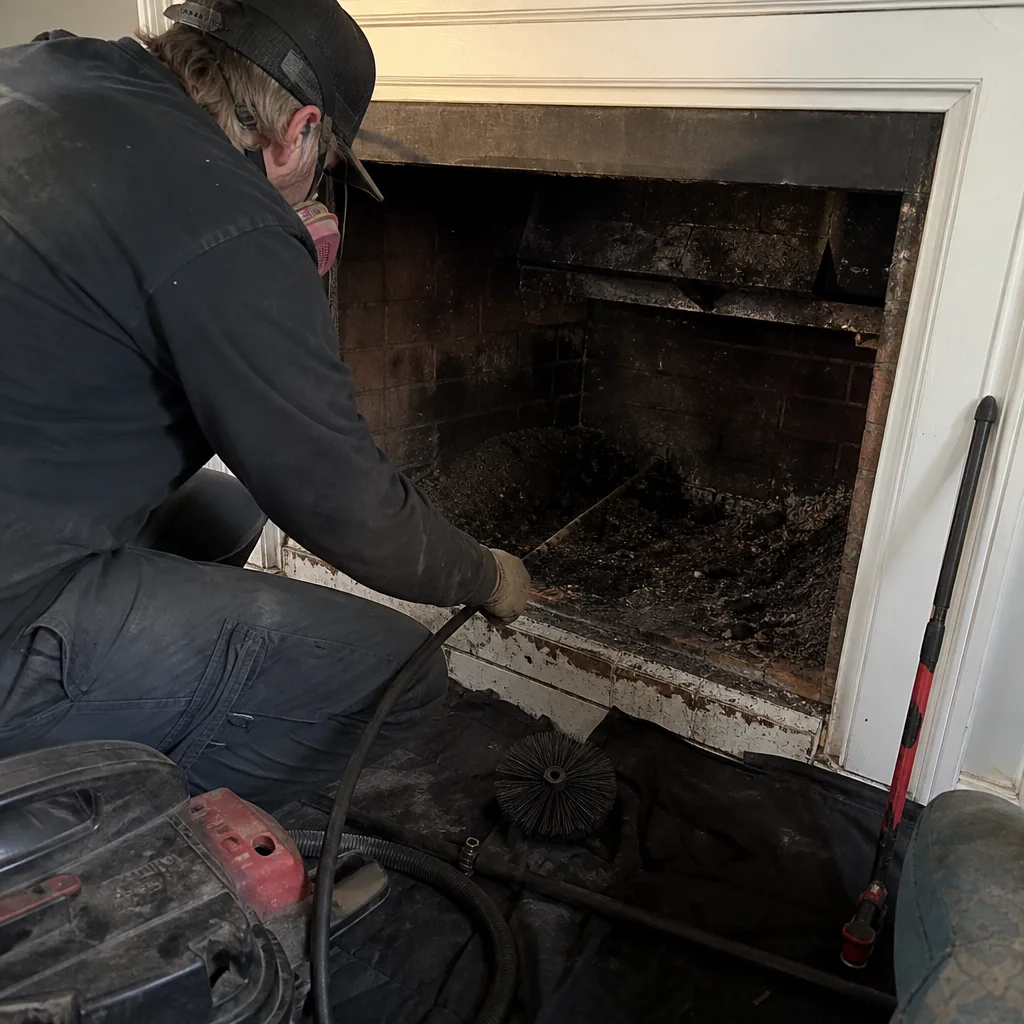
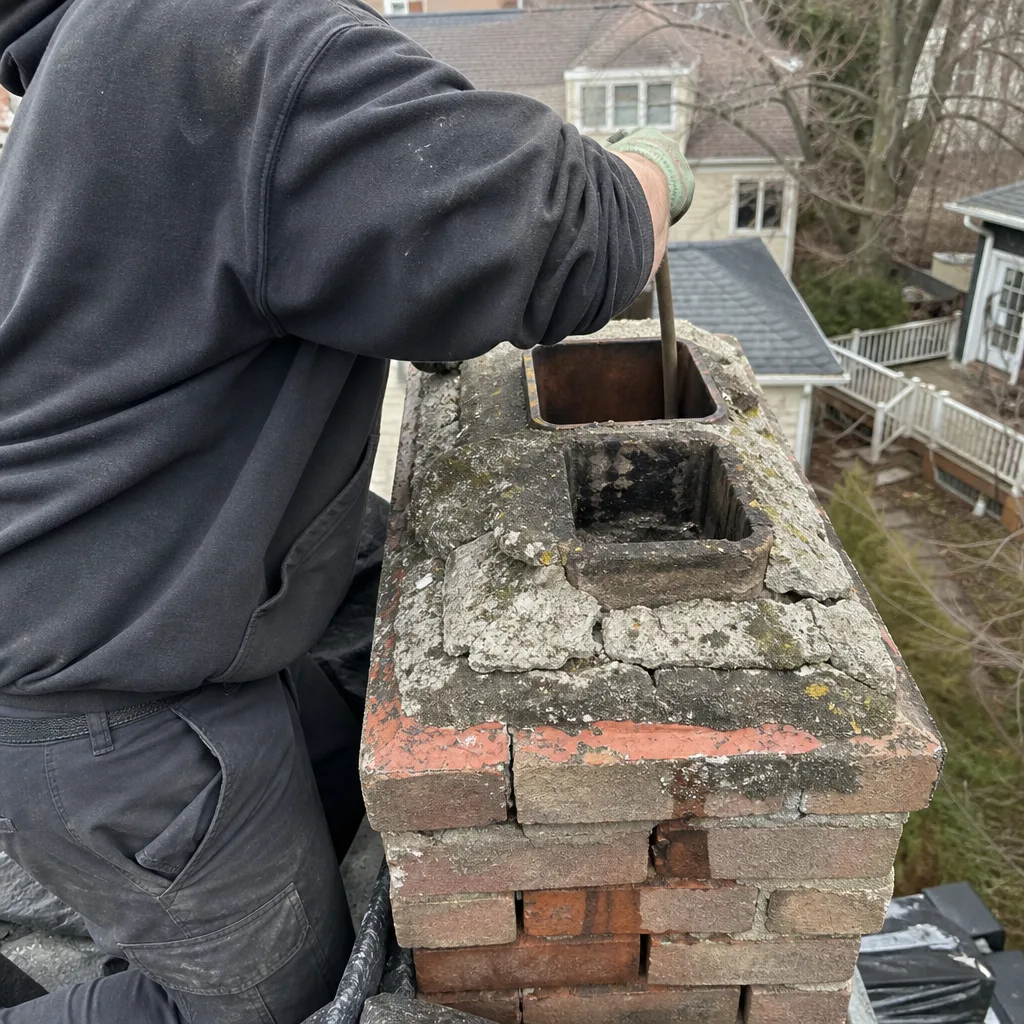
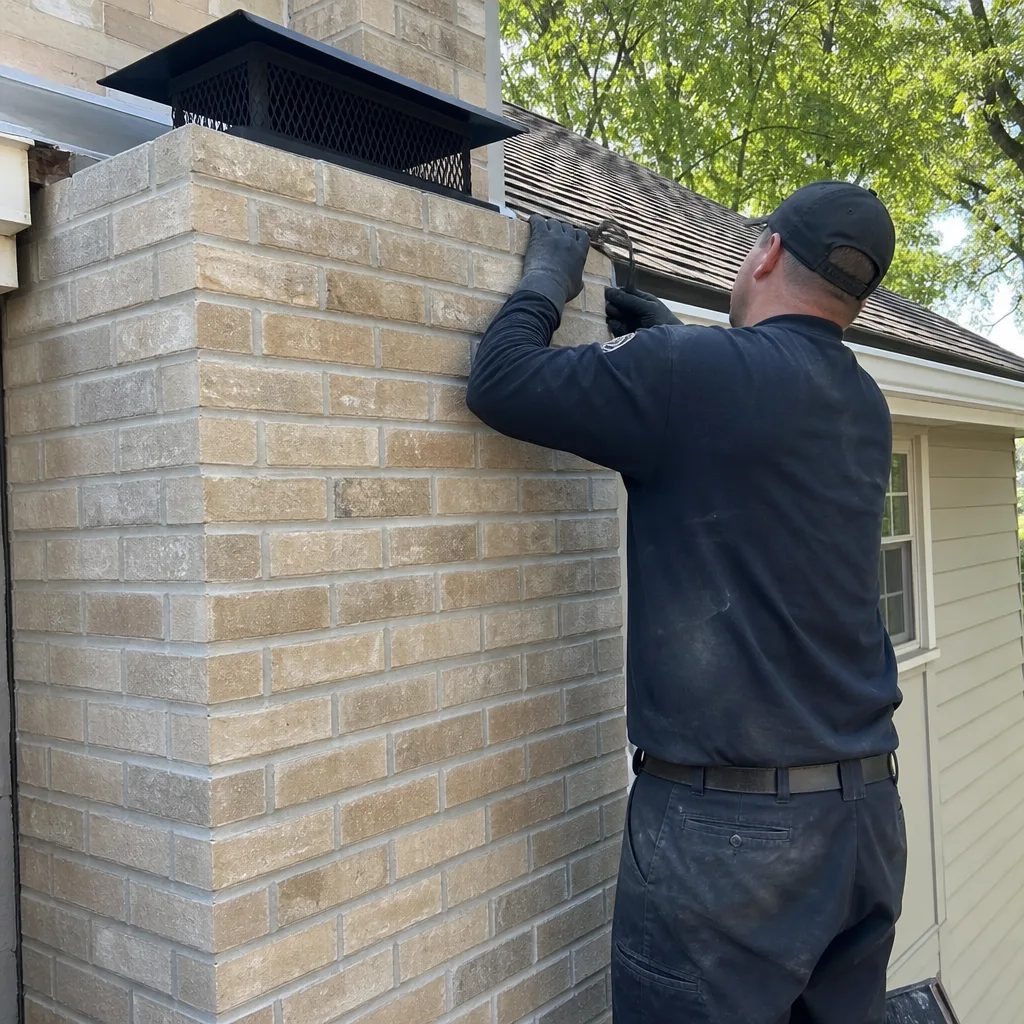
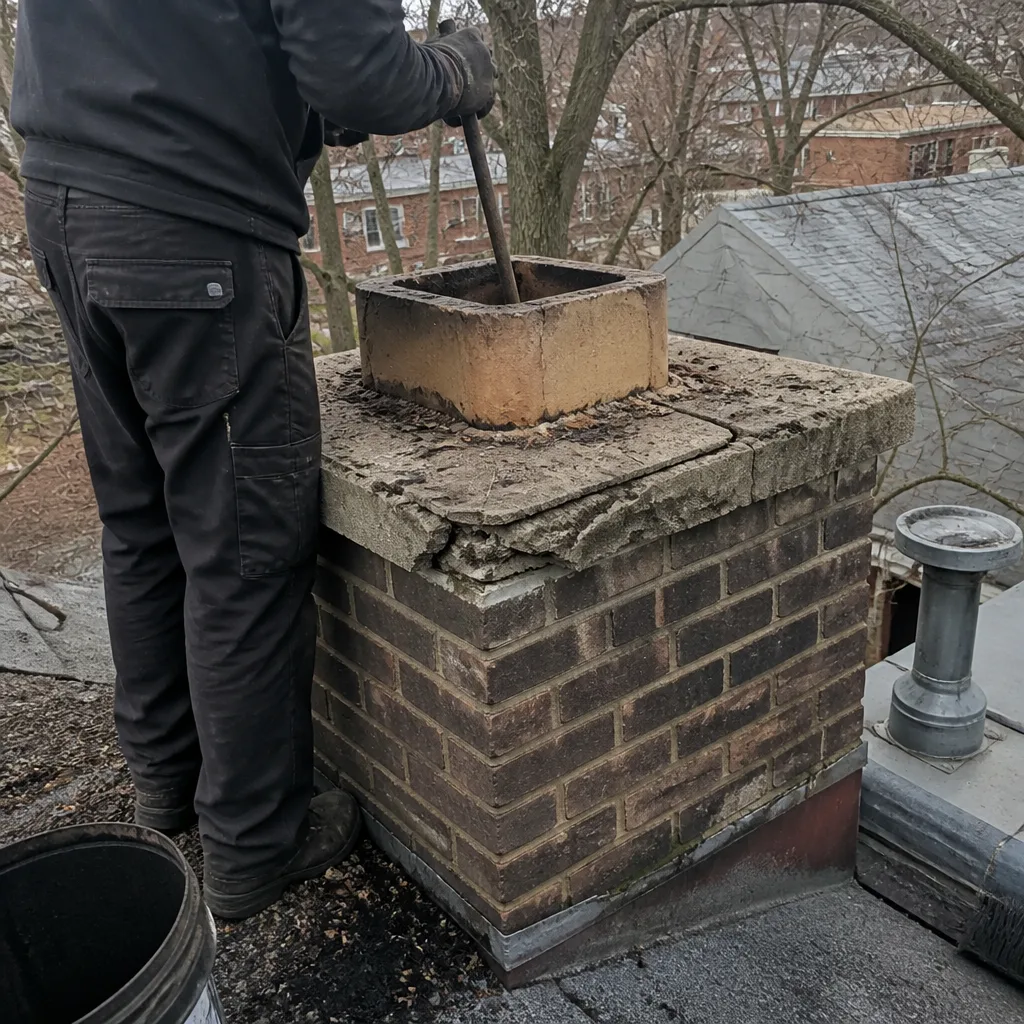
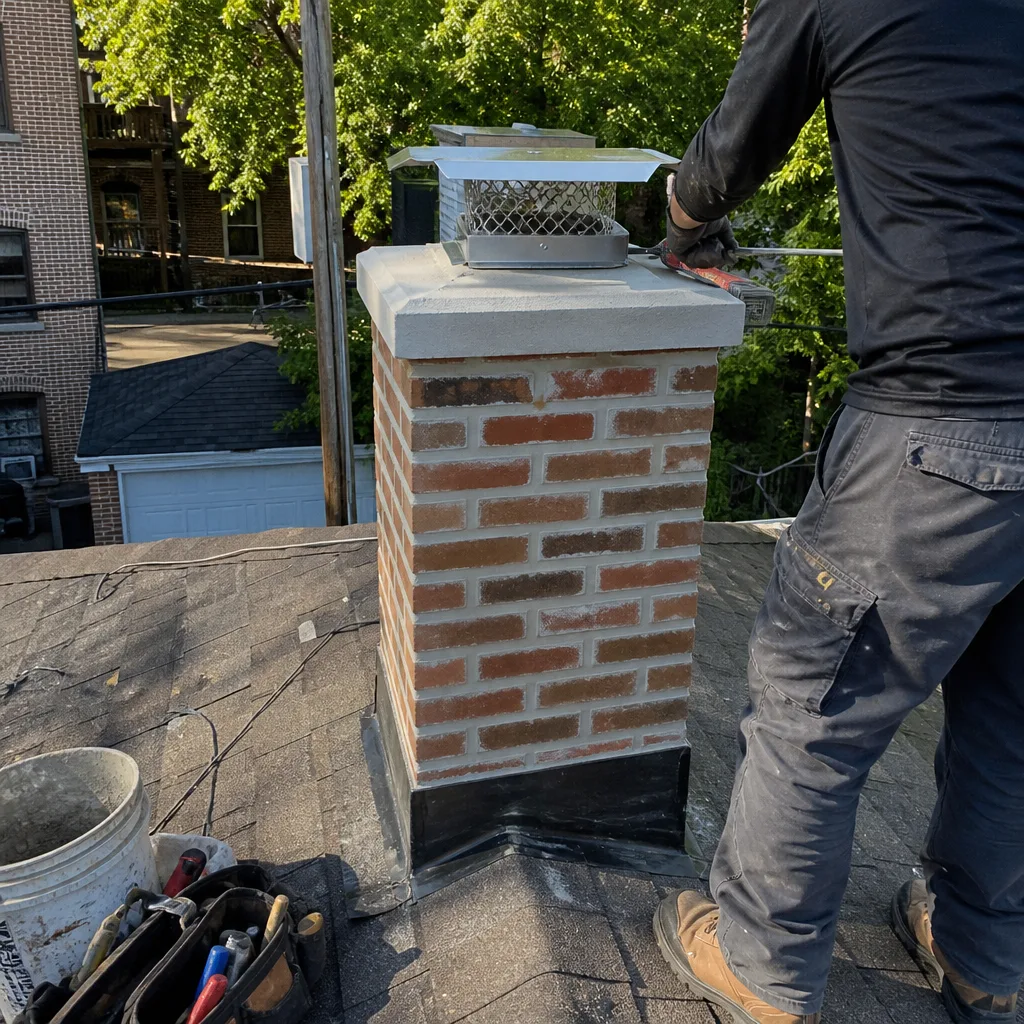
Level 1 sweep and inspection to the NFPA 211 annual standard - flue, crown, cap, and flashing checked and photographed
Chimney sweep logs do not sweep chimneys. They loosen some creosote - which then falls where a brush and vacuum still have to collect it.
How to Hire a Chimney Cleaning Contractor in Near North Side: A Step-by-Step Guide
A chimney sweep can hold every certification on the wall and still leave your Near North Side home less safe than before they arrived. Certification tests knowledge. It does not test judgment, thoroughness, or whether the person holding the camera actually knows how to read what it shows. This guide and our more guides & resources give you the specific questions, red flags, and comparison methods that reveal which contractor actually understands masonry systems and which one is running a price-shopper’s route. By the end, you’ll know exactly how to vet a chimney cleaning contractor in Near North Side without relying on a magnet on a fridge or a star rating you can’t verify.
Styles & brands we work with
Quick Answer
To hire a chimney cleaning contractor in Near North Side, verify CSIA certification (and check it against the CSIA database, not just a logo on a truck), ask what camera equipment they use and whether they document findings with photos you can see, require a written scope of work before any repair is approved, and compare bids by what’s included rather than by the bottom-line number. The lowest quote is the one most likely to skip the liner camera inspection, and that single omission is where most chimney problems hide. A legitimate sweep shows up with a rotary cleaning system and a camera, not just brushes and a shop vac.
Table of Contents
- Why Hiring a Chimney Contractor in Near North Side Is Harder Than It Looks
- Step 1: Verify Certification (and Know What It Actually Covers)
- Step 2: Ask About Camera Inspection Before You Book
- Step 3: Require a Written Scope Before Any Repair Is Approved
- Step 4: How to Compare Quotes on Scope, Not Just Price
- Step 5: What a Legitimate Setup Should Look Like
- Step 6: Red Flags in Quotes, Proposals, and Sales Pressure
- Common Mistakes to Avoid
- When to Call a Professional
- Frequently Asked Questions
- The Bottom Line
Why Hiring a Chimney Contractor in Near North Side Is Harder Than It Looks
Near North Side is dense with older housing stock. Walk the blocks around Old Town, Cabrini-Green’s redeveloped stretches, or the Gold Coast high-rises and you’ll see masonry that has weathered a century of Chicago winters. The freeze-thaw cycle here is brutal on brick and mortar. When water gets into a flue, freezes, expands, and thaws, it spalls the firebrick from the inside out. A sweep who only brushes the flue and collects a check will never see that damage. A sweep who runs a camera will. That’s the difference this guide is built around. Every question and red flag below is designed to separate the contractor who diagnoses from the contractor who just cleans. The Sandstone Chimney Sweep home page gives you a sense of how we approach the distinction, but the vetting process works regardless of who you call.
Hiring is also harder because the barrier to entry in chimney sweeping is low. A truck, some brushes, a ladder, and a business card are enough to start taking appointments. There’s no requirement in Illinois that a sweep hold a masonry license to clean a flue. So the market self-selects: homeowners who know what to look for get thorough service, and everyone else gets a brush run and a handshake. This guide exists to move you into the first group.
Step 1: Verify Certification (and Know What It Actually Covers)
The Chimney Safety Institute of America (CSIA) is the recognized credentialing body in the United States. A CSIA Certified Chimney Sweep has passed an exam covering fire codes, clearances, ventilation, and the mechanics of combustion. That’s real and it matters. But here’s the part most homeowners never learn: the CSIA exam does not certify a sweep to perform repairs, rebuild masonry, or install liner systems. It certifies that the person understands how to inspect and clean a chimney and recognize hazardous conditions. It is a diagnosis credential, not a construction credential.
How to Verify CSIA Certification
- Ask for the sweep’s CSIA number, not just the logo. Any contractor can paste a logo onto a website. The number is what you verify.
- Check the CSIA directory at csia.org. The database is searchable by name, company, and ZIP code. If the sweep isn’t there, the logo is decoration.
- Ask when they last recertified. CSIA certification requires continuing education credits. A sweep who certified in 2009 and never renewed is not credentialed in any meaningful current sense.
- Ask about manufacturer-specific training. Sweeps who work with liner systems from Chimney Repair in Near North Side contractors often carry training certificates from the manufacturers themselves: DuraFlex, HeatShield, Gelco, Olympia Chimney, Famco, Copperfield. Those certifications are not mandatory, but they tell you the contractor works inside the professional product ecosystem rather than sourcing whatever the home center has in aisle 7.
In Near North Side specifically, you want a sweep who has worked on the masonry types common to this part of the city. The brick in this neighborhood runs from 1880s common brick to mid-century modular, and each behaves differently under heat and moisture. A sweep who only knows suburban fireplaces built in the 1990s is going to misread what they see in a Lincoln Park brownstone or a River North walk-up.
Step 2: Ask About Camera Inspection Before You Book
This is the single most important question you’ll ask, and it separates the field immediately. A chimney camera inspection involves running a small high-resolution camera up the flue to document its condition from smoke shelf to crown. The camera shows cracks, gaps, spalling, creosote stage, previous repair quality, animal nesting, and liner integrity. If a contractor doesn’t use a camera or charges extra for a “video scan” as a premium add-on, move on. A flue you can’t see is a flue you can’t diagnose. You don’t hire a mechanic who refuses to open the hood.
Here’s what to ask, word for word if useful:
- “Do you run a camera inspection on every chimney cleaning, or is it optional?” The answer should be “every time.”
- “Will I see the footage and get a report with photos?” The answer should be yes, with a written or emailed report. If the sweep can’t show you what they saw, they either didn’t see it or don’t want you to know what they saw.
- “What camera system do you use?” This is a sophistication test. A professional sweep will name a system: a Wohler, a Ridgid SeeSnake, a Rothenberger, or a dedicated chimney cam. A vague answer like “we have a camera” with no brand or spec behind it usually means a cheap borescope from an online retailer. That tool is not adequate for flue inspection.
- “Does the camera inspection include the smoke chamber and the crown?” Most flue problems originate in the smoke chamber (the transition area above the damper) and the crown (the masonry cap at the top). A sweep who only cameras the straight flue run is skipping the two most failure-prone zones.
Most homes in Near North Side have chimneys that ran wood fires for decades before gas inserts or vented logs replaced them. That legacy creosote in the smoke chamber doesn’t vanish. The camera tells you whether it’s a stain or a structural problem. Without that distinction, you’re guessing. In our experience, we regularly find smoke chamber damage in Near North Side homes that had been “cleaned” for years by companies that never looked above the damper.
Step 3: Require a Written Scope Before Any Repair Is Approved
Here’s the sequence that protects you. Book a cleaning and inspection. Let the sweep do their work. Then require a written inspection report and a written scope of work for any recommended repair before you approve a dollar of additional spend. A professional chimney contractor documents what they found, explains what it means, and lets you decide. A salesperson pressures you to sign a work order while they’re still in your living room.
The written scope should include:
- Specific findings tied to specific locations: “Hairline crack in rear flue tile, approximately 8 feet above the smoke shelf” is a finding. “Flue has issues” is not.
- Photographic evidence: You should see the crack, the spalling, the separated tile, or the rusted damper with your own eyes. If the contractor can’t show you a picture, the finding is an assertion, not evidence.
- Recommended repair with material specifications: If a liner is recommended, the scope should state the liner system by manufacturer and type. For homes in Near North Side with unlined or damaged flues, the standard professional recommendation is a UL-listed stainless liner system, typically from a manufacturer like DuraFlex or Famco. If the scope just says “new liner” with no brand, no gauge, no insulation spec, that’s a red flag. The materials make the repair. A liner is not a commodity where any product works.
- What happens if you do nothing: A professional tells you plainly what can wait and what can’t. Some findings are “monitor this next year” issues. Others are “do not burn again until this is fixed” issues. Your scope should say which.
- Line-item pricing: Each element of the repair priced separately. Liner system, insulation, crown repair, flashing, cap replacement. If the quote is a single number with no breakdown, you cannot compare it to anything and you cannot know what you’re paying for.
The sweep-to-repair continuity is worth understanding here. Some companies clean and then hand you a referral card for a mason they “work with.” That gap between the person who found the problem and the person who fixes it is where miscommunication enters. When the same company that diagnoses is the company that repairs, the accountability is single. We find it, we fix it. That’s the model to look for in Near North Side, whether you hire us or a competitor who operates that way.
Step 4: How to Compare Quotes on Scope, Not Just Price
Let’s talk about what a chimney cleaning actually includes, because this is where the lowest quote loses you money. Here’s a realistic Chimney Cleaning Cost Breakdown: The Near North Side Homeowner’s Reference for 2026 for what a thorough chimney cleaning and inspection should involve in Near North Side:
| Scope Item | Included in a $99 “Special”? | Included in a Proper Cleaning and Inspection |
|---|---|---|
| Flue brushing (top to bottom) | Yes | Yes |
| Smoke chamber cleaning | Sometimes | Always |
| Smoke shelf cleaning | Rarely | Always |
| Damper inspection and operation check | Sometimes | Always |
| Firebox inspection (refractory panels or firebrick) | Rarely | Always |
| Full-length camera inspection with photo report | Almost never | Always |
| Crown and cap inspection from the roof | Sometimes | Always |
| Creosote stage documentation | No | Yes |
| Written report | No | Yes |
In the Near North Side market, a legitimate chimney cleaning and camera inspection typically runs between $200 and $450 depending on chimney height, accessibility, and the amount of buildup. A $99 special is not the same service with a smaller margin. It is a different service entirely: a brush run through the flue with no documentation, no camera, and no accountability. You’re not saving $300. You’re paying $99 for the privilege of not knowing what’s wrong with your chimney.
When you compare quotes, compare these specific line items side by side:
- Is the camera inspection included or extra? A quote that separates the camera into a $150 “video scan add-on” should be read as: the base price does not include diagnosis.
- What happens to the debris? A professional sweep protects the hearth and vacuums with a HEPA-filtered vacuum during the process. If the quote doesn’t mention dust containment, assume you’re cleaning up after them.
- Is the cap and crown check part of the cleaning or a separate visit? Some companies charge a second trip fee. That’s legitimate, but you need to know before you book.
- What’s the repair philosophy? Ask: “If you find a cracked flue tile, what do you typically recommend?” If the answer is an immediate full liner replacement with no discussion of HeatShield resurfacing (a professionally applied ceramic repair system) or other options, you’re talking to someone with one product and one agenda. A real diagnostician gives you options with trade-offs. The right answer is “it depends on the size, location, and severity of the crack, and here’s how I’d determine that.”
We’ll say this plainly: if a Near North Side quote comes in dramatically lower than the others, the difference is almost always a skipped step, not a better business model. Schedule the estimate, ask the scope questions, and compare what’s actually on the page.
Step 5: What a Legitimate Setup Should Look Like
You can learn a lot from the truck and the tools before the sweep ever says a word. A professional chimney contractor running a legitimate operation in Near North Side shows up with commercial-grade equipment, not residential hardware. Here’s what signals you’re dealing with a trained operation:
- A rotary cleaning system, not just a hand brush. Rotary systems use spinning whip heads attached to flexible rods powered by a drill. They remove creosote mechanically and consistently. A sweep who shows up with only a manual brush set is using equipment from a generation ago. It’s not automatically disqualifying, but it tells you about investment in the trade.
- A HEPA-filtered vacuum designed for fine particulate. Chimney soot is sub-micron. A Shop-Vac with a standard filter is not adequate and will aerosolize soot into your Near North Side living room. Professionals use commercial HEPA dust extractors or chimney-specific vacuums.
- A dedicated inspection camera. As covered earlier, this is non-negotiable. The camera should be chimney-rated, not a general-purpose borescope.
- Drop cloths, corner guards, and hearth protection. The crew should protect your floors and furniture without being asked. This is a professionalism signal that costs nothing to observe and says everything about how the company operates.
- A truck with proper signage and equipment organization. This isn’t about vanity. A contractor who invests in an organized, commercially set up vehicle is running a business, not a side hustle. The brush rods should be racked, the vacuum secured, the chemicals stored properly.
The equipment matters because chimney cleaning is a mechanical interaction with your home’s most fire-critical system. Residential-grade tools signal residential-grade training and residential-grade liability protection. You wouldn’t hire an electrician with a homeowner’s tool kit. Don’t hire a chimney contractor with one either.
One more observation specific to Near North Side: parking and access in this neighborhood are genuinely difficult. Streets are tight, permit requirements vary, and high-rise buildings have service elevator protocols that vary by building management. A professional sweep who works this neighborhood regularly will ask you about access, parking, building rules, and hoisting requirements before the appointment, not figure it out on arrival. That’s a real-world signal of local experience.
Step 6: Red Flags in Quotes, Proposals, and Sales Pressure
This section is the distillation of everything above into a checklist. Print it. Use it during your hiring process.
Quotes and Proposals: What Kill Signals Look Like
- Vague line items. “Chimney repair” with no detail. “Liner work” with no manufacturer named. “Crown sealing” with no product identified. A professional scope reads like a specification sheet, not a guess.
- No written scope at all. A quote that arrives as a single number in a text message is not a contract and not a scope. You cannot hold anyone to an unspecified number.
- Pressure to approve repairs same-day. A finding that genuinely requires immediate attention (a flue blockage, a cracked liner that poses active fire risk) should be explained, photographed, and urgent. But a contractor who insists you sign a repair agreement before they leave your home is running a sales operation, not a diagnostic practice. Every legitimate repair decision can survive a 48-hour thinking period.
- No photographic evidence of the problem. This comes up again because it’s the most common failure mode. If the contractor found something, the camera captured it. If there’s no photo, there may not be a problem.
- The quote is dramatically lower than every other bid. You’re not getting a bargain. You’re getting a scope gap. Ask specifically: “What’s omitted to get to this number?” The answer tells you everything.
- Subcontracted repairs. Ask directly: “If you find a problem during the cleaning, does your company do the repair or do you subcontract it?” A sweep company that subs out masonry and liner work to a third party introduces a second set of standards, a second warranty layer, and a second phone number to chase if something fails. The Chimney Sweep in Near North Side page on our site walks through what full-scope service actually includes, but the principle applies to any contractor you’re vetting.
Sales Pressure: Phrases That Should End the Conversation
- “I can knock 15% off if you sign today.”
- “This is the last opening we have this season.”
- “I wouldn’t burn this fireplace again if I were you” with no photographic evidence of why.
- “The liner is probably cracked, but I won’t know until I get in there” followed by a pre-written liner replacement quote.
- “Everyone in this building needs this done” without naming specific comparable units or showing specific evidence.
A professional sweep in Near North Side diagnoses, documents, explains, then lets you decide. Anyone collapsing that sequence is working against you, not for you.
Common Mistakes to Avoid
- Hiring on price alone. The cheapest chimney cleaning in Near North Side is the one that skips the camera, skips the smoke chamber, and skips the documentation. You’ll pay the difference later, usually in liner or masonry work that would have been caught early.
- Assuming certification means competence at everything. CSIA certification means the person passed an exam on inspection and cleaning standards. It does not mean they can rebuild a crown, install a liner, or repair a smoke chamber. Ask about repair qualifications separately.
- Skipping the camera inspection because “it’s been fine for years.” Chimney damage is cumulative and invisible from the hearth. The flue is the part you can’t see, and it’s the part that fails. Years of uneventful burning doesn’t mean the flue is sound now.
- Approving repairs without a written scope. This is how you end up paying for a “liner” that’s actually a cheap knockoff, or a “crown repair” that’s just a smear of sealant that fails in two seasons. If it’s not written down with materials specified, it didn’t happen.
- Not asking who performs the repair work. Subcontracting is common in this industry. If the company you’re hiring doesn’t employ the person doing the repair, you have two different quality standards and two different accountability chains. Single-company accountability is worth insisting on.
- Believing a clean chimney is a safe chimney. A flue can be pristine and still be unsafe: a cracked liner, a deteriorated crown, an improperly sized flue for the appliance, or a missing cap. Cleaning removes creosote. It does not fix structure. That requires inspection.
- Waiting until fall to book. Near North Side sweeps fill their fall schedules by August. Book in spring or summer and you’ll get better availability. Book in November and you’ll take whoever has an opening, which is exactly the position you want to avoid.
When to Call a Professional
If you’ve never seen your flue’s interior on camera, now is the time. If you bought a home in Near North Side and inherited a fireplace with no service history, schedule an inspection before your first fire. If you’ve used the fireplace heavily for several seasons without a cleaning, creosote has been building, and creosote is the fuel for chimney fires. If you noticed a smell from the fireplace during humid weather, water is getting into the flue somewhere and finding where is a diagnostic job, not a guess. If your Dryer Vent Cleaning in Near North Side has been on the back burner too, both systems can be handled in a single visit by a company that does both. Sandstone Chimney Sweep offers free estimates in Near North Side. Call (833) 589-7835 to schedule an inspection and get a written report you can actually read.
Frequently Asked Questions
A legitimate chimney cleaning with a camera inspection in Near North Side typically costs between $200 and $450 depending on chimney height, access difficulty, and creosote volume. Prices below $150 almost always mean a brush-only cleaning with no camera, no smoke chamber work, and no written report. Call (833) 589-7835 for an exact quote based on your chimney’s specifics. Estimates are free.
Yes, if the goal is actually knowing the condition of your chimney. A camera inspection is the only way to see the flue’s interior, and the flue’s interior is where the dangerous conditions develop. Skipping the camera is like a doctor checking your pulse and declaring that your arteries are fine. The cost difference is small relative to what a missed liner crack costs to repair later.
Ask for the sweep’s CSIA certification number and look it up on the CSIA directory at csia.org. The database is public and searchable. A contractor who hesitates or deflects on the number is telling you something. The logo on a website or a truck means nothing until the number checks out.
The $99 sweep brushes the flue and leaves. The $300 sweep brushes the flue, cleans the smoke chamber and shelf, inspects the firebox and damper, runs a full camera scan, documents findings with photos, checks the crown and cap from the roof, and gives you a written report. They are not different versions of the same service. They are different services.
The National Fire Protection Association standard is that chimneys should be inspected at least once a year and cleaned whenever creosote reaches 1/8 inch of accumulation or when there’s any stage-three (glazed) creosote present. In practice, a wood-burning fireplace used regularly through a Chicago winter season should be swept annually. See our Seasonal Chimney Cleaning Care for Near North Side: Year-Round Homeowner’s Guide for timing details. A gas fireplace still needs an annual inspection because venting issues, water intrusion, and cap problems are not fuel-dependent.
Creosote accumulates, and creosote is combustible. The more you skip, the more fuel builds up. The more fuel, the hotter and longer a chimney fire burns if it ignites. A chimney fire can crack your flue liner in a single event, and a cracked liner allows heat and combustion gases into the wall cavity. That’s how chimney problems become house fires. Even without a fire, skipped inspections miss water intrusion at the crown and flashing, and water damage in a masonry chimney is slow, expensive, and entirely preventable. Our Chimney Cleaning Emergency Preparedness Guide for Near North Side Homes covers what to watch for between appointments.
The Bottom Line
Hiring a chimney cleaning contractor in Near North Side comes down to a few non-negotiable requirements: verified CSIA certification, a camera inspection with photographic documentation, a written scope for any recommended repair, material-specific quotes from the professional product ecosystem, and single-company accountability from sweep to repair. The cheapest quote is the one most likely to skip the diagnostic step, and the diagnostic step is the entire point. A clean chimney and a safe chimney are not the same thing. The difference is inspection, documentation, and judgment. Sandstone Chimney Sweep serves homeowners across Near North Side with camera-documented inspections, specification-grade materials from manufacturers like DuraFlex and HeatShield, and repair work handled by the same team that found the problem. Call (833) 589-7835 for a free estimate.
Written by the team at Sandstone Chimney Sweep, serving Near North Side since 2017.
See the difference
 Before
 After
 Before
 After
 Before
 After