
Last updated October 30, 2026
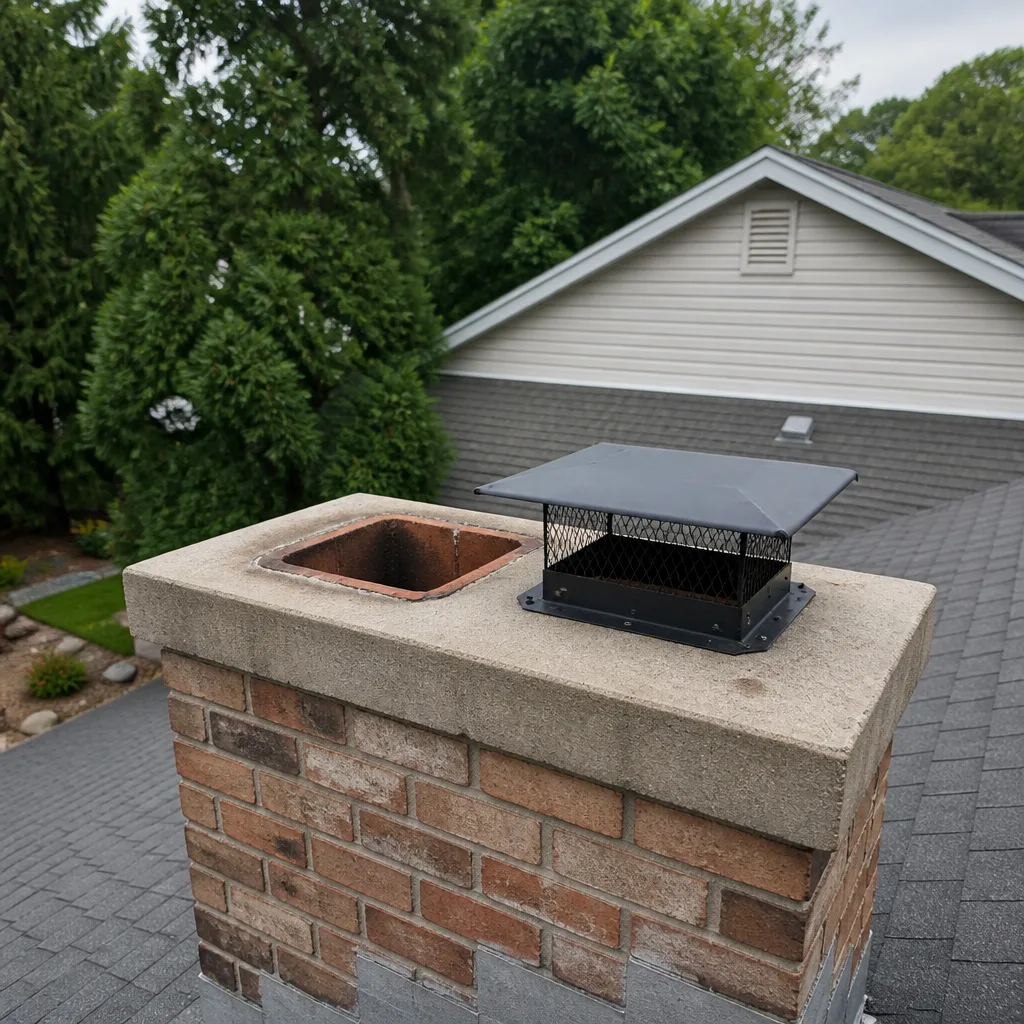 Sweep & inspection
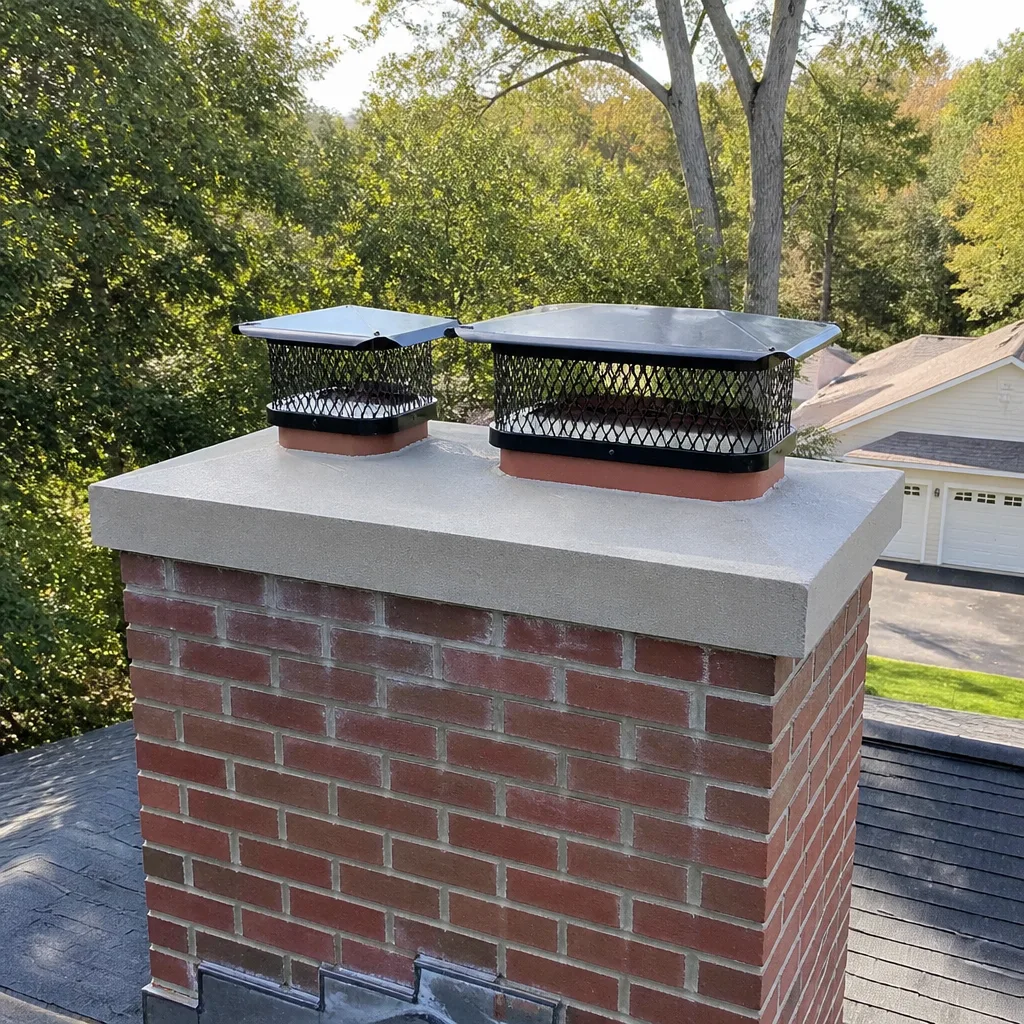 Caps & crowns
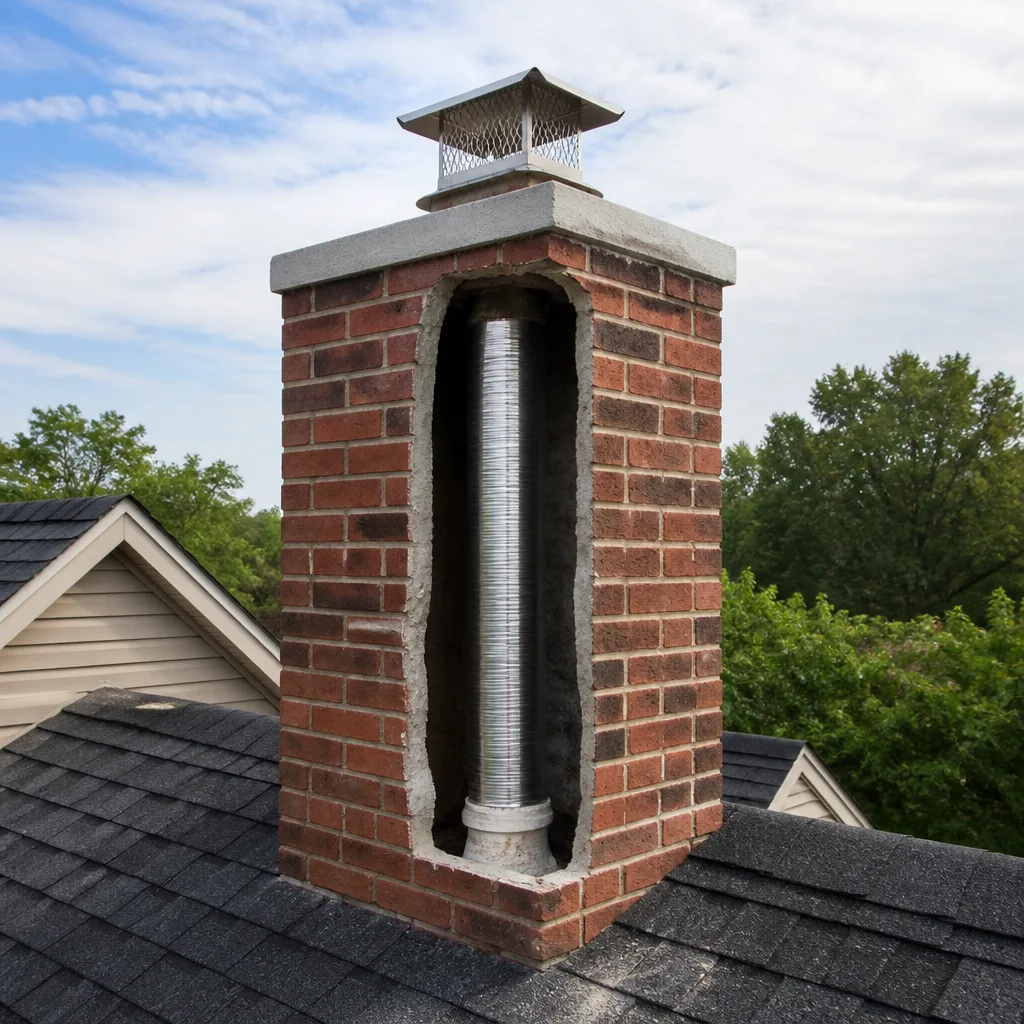 Flue relining
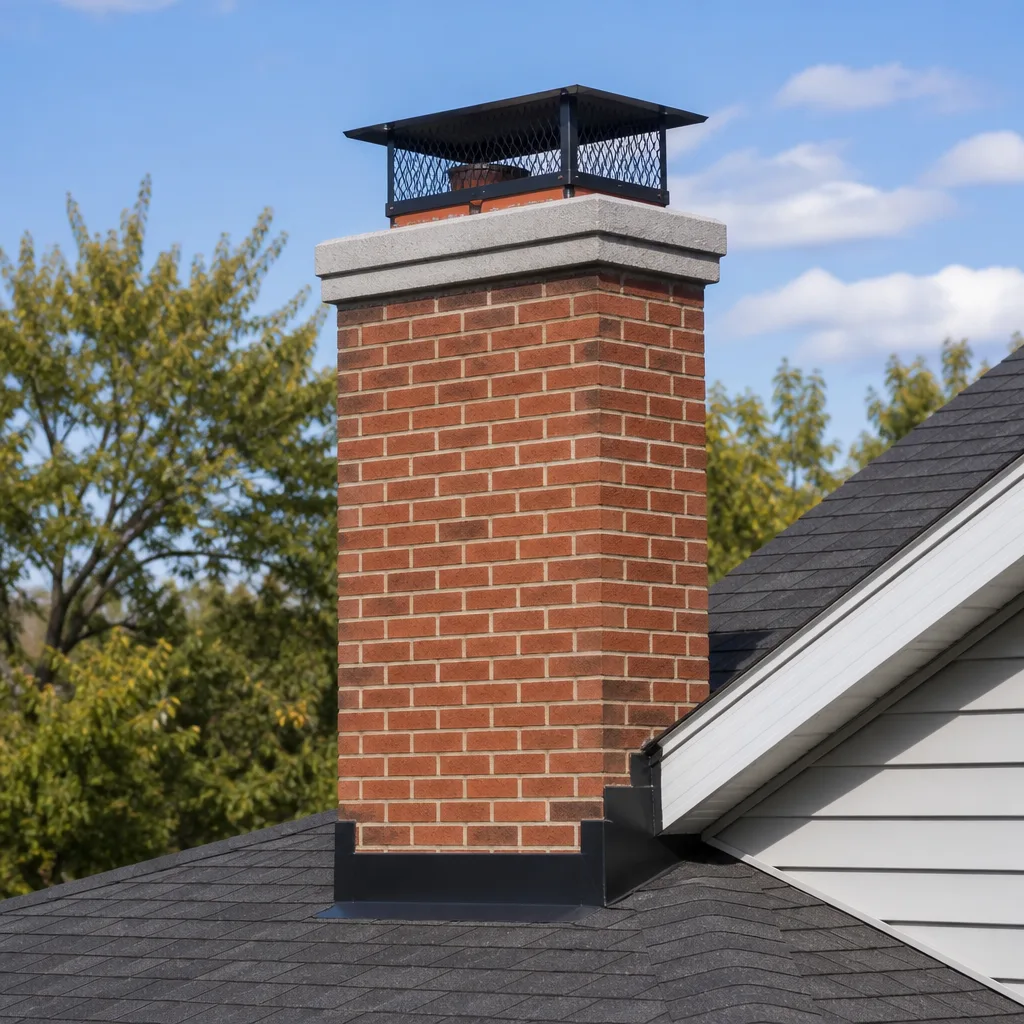 Masonry repair
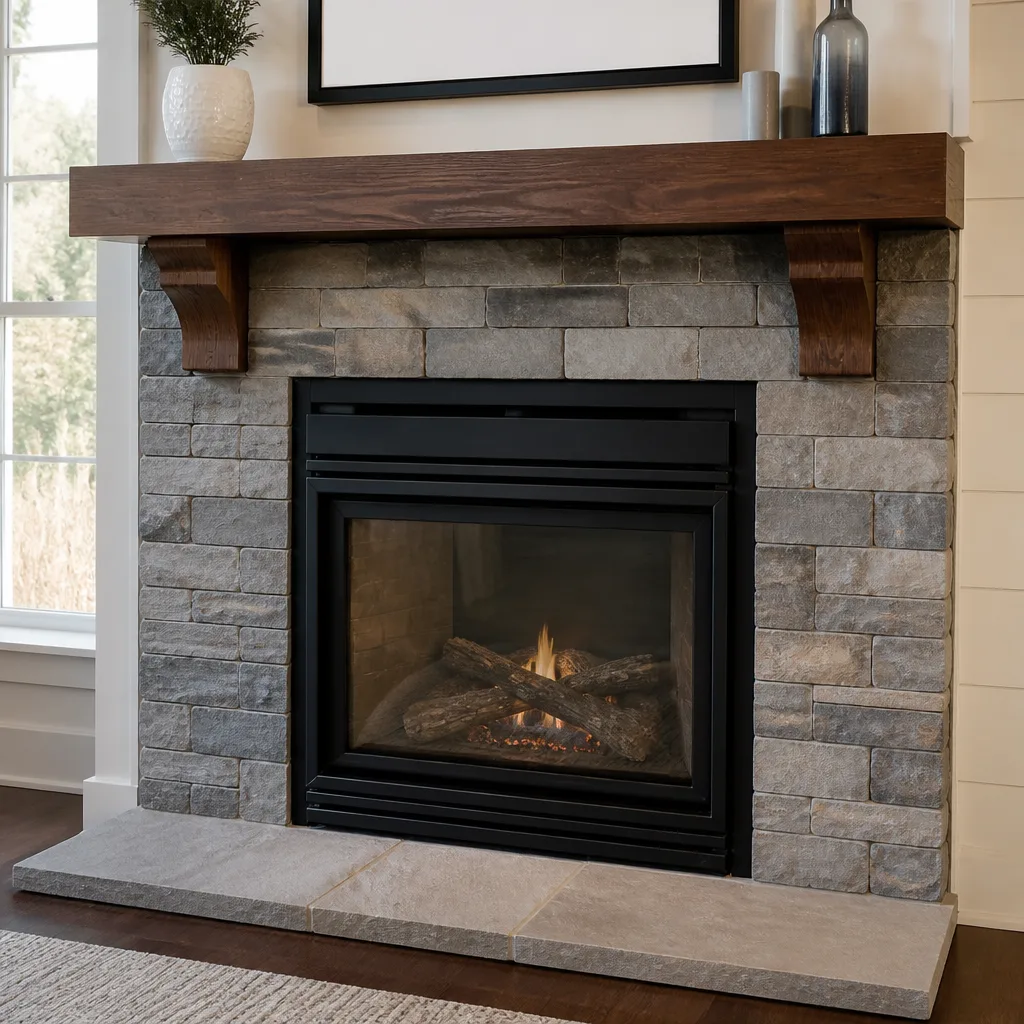 Gas fireplace service
Level 1 sweep and inspection to the NFPA 211 annual standard - flue, crown, cap, and flashing checked and photographed
Chimney sweep logs do not sweep chimneys. They loosen some creosote - which then falls where a brush and vacuum still have to collect it.
Seasonal Chimney Cleaning Care for Near North Side: Year-Round Homeowner’s Guide
September is the worst month to book a chimney sweep in Near North Side. It sounds backwards, but by the time Chicago’s first cold snap arrives, most flues have been sitting since April collecting whatever spring rain, summer wildlife, and humidity left behind. The homeowners who call in early fall are usually the ones whose chimneys needed attention in May. This guide breaks down what your chimney actually goes through each season in Near North Side, and when each task should happen so you’re never lining up behind a hundred other households in October. For more guides & resources, visit our blog.
Styles & brands we work with
Quick Answer
Chimney care in Near North Side is a four-season cycle: late spring for inspection and masonry repair, summer for cap and moisture prevention, early fall for sweeping before your first burn, and winter for monitoring active issues. Book your annual sweep in August or very early September so your flue is clean before the first fire, not after. Late spring is the best window for structural repairs because freeze damage is visible and mortar cures properly in warmer temperatures.
Table of Contents
- Spring: The Inspection and Repair Window
- Summer: Nesting, Moisture, and Cap Degradation
- Fall: Sweeping Before the First Burn
- Winter: Monitoring Without a Sweep
- Month-by-Month Maintenance Calendar
- How Often Should a Near North Side Chimney Be Swept?
- What Does Seasonal Chimney Care Cost in Near North Side?
- Common Mistakes to Avoid
- When to Call a Professional
- Frequently Asked Questions
- The Bottom Line
Spring: The Inspection and Repair Window
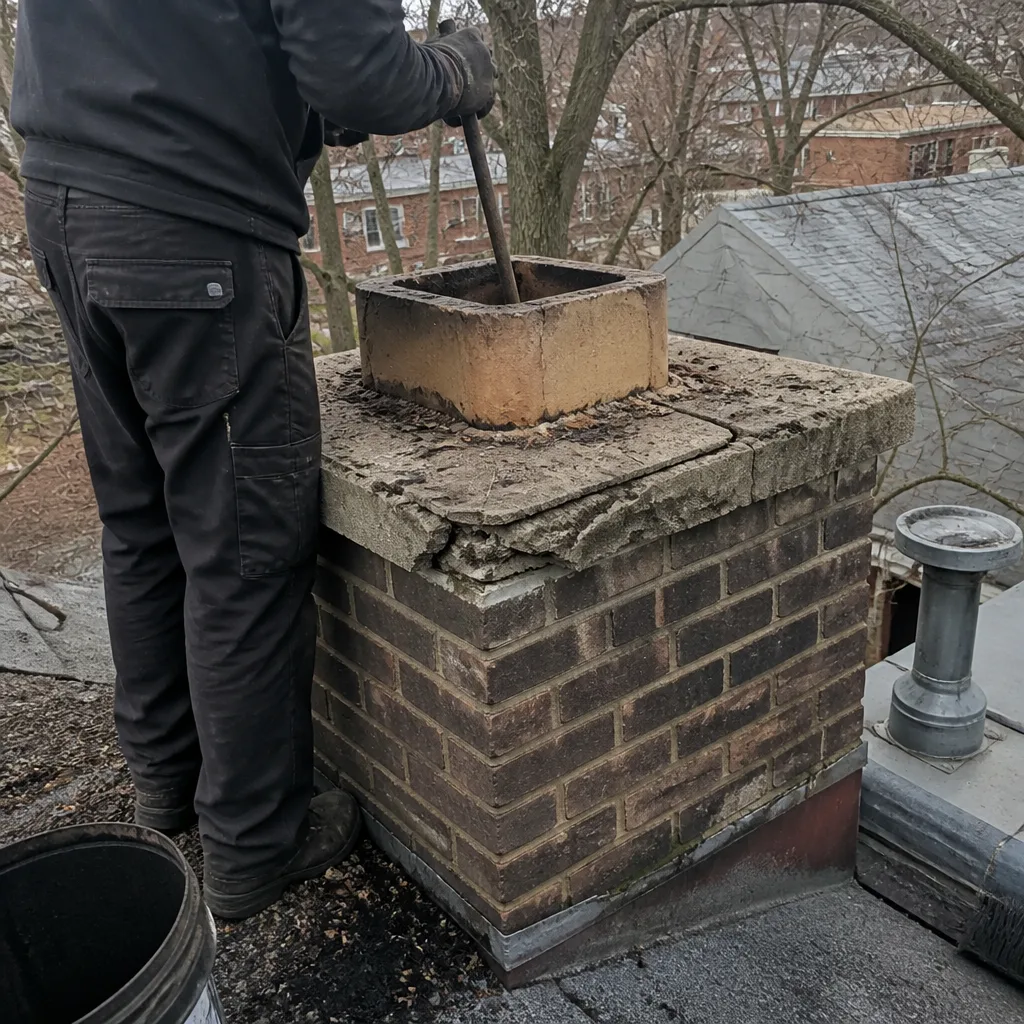
Spring is when your chimney shows its wounds. After months of freeze-thaw cycles, any water that seeped into brick or mortar during the winter has expanded and contracted dozens of times. The damage is visible now in ways it won’t be in July. Hairline cracks have widened. Spalling bricks have flaked off onto the roof. Mortar joints that were tight in November are now crumbling at the edges.
In Near North Side, the optimal window for a chimney inspection is late April through early June. There are two reasons for this. First, the freeze damage is fresh and easy to see. A chimney professional standing on your roof in May can trace exactly where water got in. Second, repair mortars and sealants cure properly in temperatures above 40 degrees Fahrenheit. Spring days in Chicago routinely hit the 60s and 70s, which is the same range masonry products are formulated for. Trying to patch mortar in October means racing against the first freeze.
What we look for during a spring inspection:
- Spalling brick faces and flaking masonry surfaces
- Cracked or missing mortar joints, especially on the crown
- Water staining on the ceiling or walls around the fireplace
- Damaged or warped flashing where the chimney meets the roofline
- Efflorescence, the white powdery residue that signals water moving through masonry
- Rust on the damper or firebox components
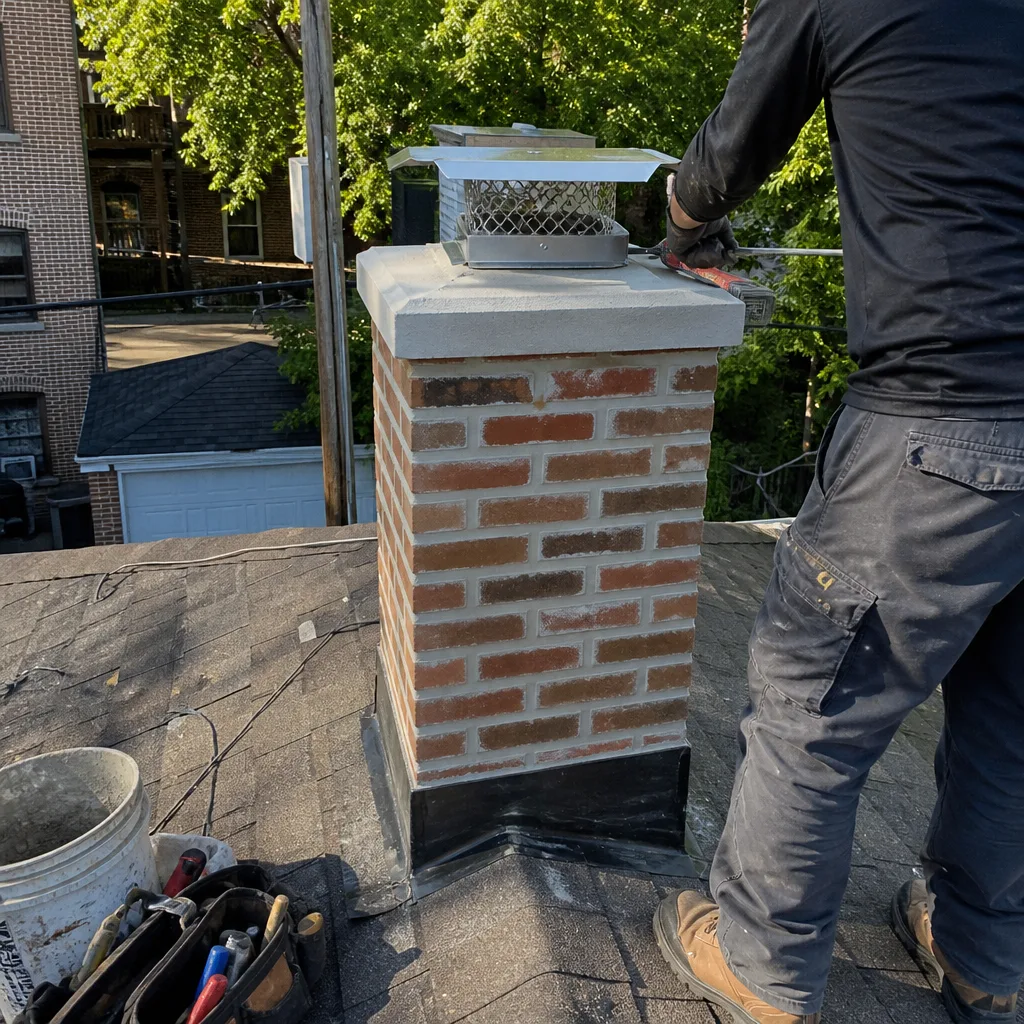
Spring is also the right time to schedule Chimney Repair in Near North Side. If the inspection turns up crown damage or deteriorated mortar, the repair can be done immediately while conditions are favorable. Waiting until fall means either burning with a compromised flue or sitting out the first month of fireplace season while the mortar cures.
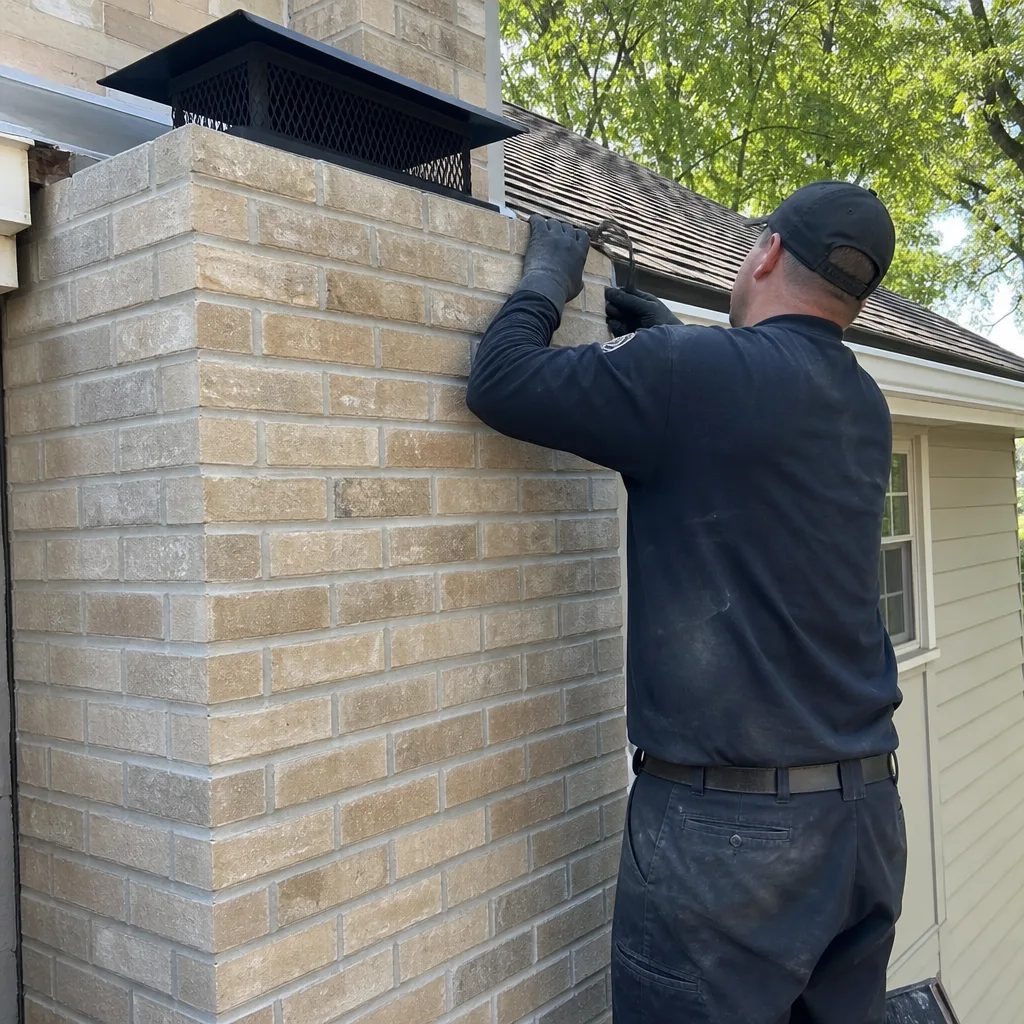
One thing homeowners often miss: your chimney cap. Winter ice and wind take a real toll on caps, and a damaged cap is an open invitation for spring rain to pour directly down the flue. A cap with broken mesh or a rusted lid needs replacement before spring showers get underway. We stock caps from Olympia Chimney and Copperfield because they hold up to Chicago’s weather cycle better than the thin galvanized caps sold at hardware stores.
Summer: Nesting, Moisture, and Cap Degradation
Summer looks like the quiet season for chimneys. Nothing is burning. The fireplace sits dark. But a disused flue in July and August is not an empty space. It’s a sheltered, vertical cavity that birds, squirrels, and raccoons recognize as a tree hollow. In Near North Side, where mature street trees are common and chimneys rise three or four stories above the sidewalk, summer nesting activity is not a rare occurrence. It’s practically routine.
Here’s what we find in summer inspections:
- Bird nests built on top of the damper or wedged into the flue tile
- Squirrel nesting material packed into the smoke chamber
- Dead animals that fell into the flue and couldn’t climb out
- Eggshells, feathers, and droppings caked against flue walls
- Cap mesh that’s been pried loose or chewed through
- Debris that’s accumulated on top of the chimney crown
A blocked flue doesn’t just make your fireplace inefficient. It creates a direct carbon monoxide hazard. When you light a fire with a nest in the flue, the smoke and gases have nowhere to go. They back up into your living room. Every year, homeowners in Chicago are treated for carbon monoxide exposure from chimneys that looked fine from the outside but were blocked from the inside.
The second summer issue is moisture in the firebox and flue. When your chimney sits unused for months, any water that entered through a cracked crown, damaged flashing, or missing cap has time to soak into the masonry. That moisture accelerates deterioration. In a high-humidity summer like Chicago’s, the firebox can stay damp for weeks. The smell of damp soot and creosote is a signal that water is getting in somewhere.
UV exposure is the third factor. Chimney caps, especially painted steel ones, degrade faster than most homeowners realize. The sun beats on them every day of summer, and that heat cycling breaks down paint, loosens fasteners, and creates small gaps where water and animals can enter. A DuraFlex stainless cap is an upgrade worth considering if your current cap shows signs of UV wear. Stainless steel doesn’t suffer the same paint failure and corrosion cycle.
Summer is also a good time to think about dryer vent cleaning. It has nothing to do with chimneys directly, but the logic is the same: a lint-clogged dryer vent is one of the leading household fire hazards, and summer is when dryers run hardest. You can get Dryer Vent Cleaning in Near North Side handled during the same visit as a chimney inspection. Two fire hazards, one visit.
Fall: Sweeping Before the First Burn
Here’s the counterintuitive part. Most Near North Side homeowners think of fall as sweep season. They’re not wrong exactly, but the timing matters more than they think. If you burned regularly last winter and never had the flue swept in spring, your chimney entered summer with a coating of creosote. Then you light your first fire in October. That first burn layers fresh creosote over the old residue, and suddenly you’re running a hotter, dirtier fire in a flue that was already due for cleaning.
Book your sweep before the first burn, not after. In Near North Side, that usually means late August through September. The sweep removes the previous season’s creosote, checks for summer nesting and moisture damage, and gives you a clean flue before the first fire of the year. If you wait until October or November, you’re looking at a two- to four-week wait for most reputable companies, and you’ve already been burning with this season’s creosote layered on top of last season’s. That’s why our Chimney Cleaning Emergency Preparedness Guide for Near North Side Homes recommends booking before the rush.
A fall sweep typically includes:
- Removing creosote and soot from the flue walls with professional brushes
- Removing debris from the smoke chamber and firebox
- Checking the damper for proper operation
- Inspecting the flue liner for cracks, gaps, or damage
- Checking the chimney cap and crown for weather damage
- Verifying the chimney is safe to operate before the first fire
For homes in Near North Side that use their fireplace regularly, an annual sweep is the floor, not the ceiling. Burn more than a cord of wood per season? You may need a mid-season sweep in January. Burn pine or other softwoods that produce heavy creosote? Same story. The frequency depends on how you use the fireplace, not on a calendar.
If your chimney needs more than a cleaning, the fall is not the time to delay. A cracked flue liner or deteriorated smoke chamber gets worse with every fire. Sandstone Chimney Sweep handles Chimney Sweep in Near North Side and repairs under the same roof, so if the sweep turns up an issue, the same crew can address it. We find it, we fix it.
Winter: Monitoring Without a Sweep
Once burning season is underway, you shouldn’t need a sweep to know if something’s wrong. Your chimney gives you signals. Learning to read them means you can catch a developing problem in December instead of discovering it in April.
Here are the winter signs we tell Near North Side homeowners to watch for:
- Staining patterns on the ceiling or walls near the fireplace. New brown rings or dark patches mean water is getting in and working its way through the structure.
- A change in draft behavior. If the fireplace suddenly draws worse than it did a month ago, or if smoke backs up into the room on windy days, something has changed inside the flue.
- Odor signals. A strong smoky smell when the fireplace isn’t in use means creosote is thick enough to off-gas into the room. A damp, musty smell suggests moisture is entering the flue.
- Unusual noises. Scratching, rustling, or chirping sounds from the chimney mean an animal has found a way in, even in winter.
- Burn behavior changes. A fire that’s suddenly harder to start or produces more smoke than usual may be burning against a partially blocked flue.
These are observation signals, not DIY repair instructions. If you notice any of them, call a professional. A mid-season inspection costs far less than a chimney fire or a carbon monoxide incident, and many issues caught early are straightforward fixes. The danger with high-tension chimney components and internal flue damage is that it’s invisible from the firebox, and the tools and knowledge to diagnose it safely are not homeowner territory.
Winter is also when the cost of neglect shows up in your heating bill. A chimney with a degraded liner or a stuck-open damper lets heated air escape up the flue all winter long. Your furnace works harder, your gas bill climbs, and the fireplace you love becomes an energy liability. A sealed, properly functioning chimney is part of keeping a Near North Side home warm efficiently through January and February.
Month-by-Month Maintenance Calendar
This is the schedule we recommend for most Near North Side homeowners. It accounts for Chicago’s climate: the freeze risk from November through March, the spring thaw in April, and the humid summers that keep moisture trapped in masonry.
- January: Monitor burn behavior and draft. Watch for new staining or odor. Schedule a mid-season sweep if you burn heavily.
- February: Same as January. This is the coldest month, and freeze damage is happening inside any existing masonry cracks.
- March: Continue monitoring. If you notice water staining after late-winter rain or snow melt, schedule a spring inspection early.
- April: The inspection window opens. Book your annual chimney inspection now. Freeze damage is visible, and repair season begins.
- May: Ideal month for masonry repair. Mortar cures properly in these temperatures. Replace damaged caps before heavy spring rain.
- June: Complete any remaining structural repairs. Consider dryer vent cleaning during a combined visit.
- July: Check the cap and crown from ground level if possible. Look for birds entering and exiting the chimney top.
- August: Book your pre-season sweep. Beat the September rush. This is also your last good window for cap replacement before fall.
- September: Sweep month. Get the flue clean before the first burn. If you haven’t booked, do it now.
- October: First fires of the season. Start with small, hot fires to establish a good draft. Monitor the first few burns closely.
- November: Burning season in full swing. Stick to seasoned hardwood to minimize creosote buildup.
- December: Holiday season brings heavier fireplace use. Monitor for any of the winter warning signs above.
This calendar isn’t rigid. A house that burns a fire every night from October to March has different needs than one that burns a few times a month. The point is the sequence: inspect in spring, protect in summer, sweep in early fall, monitor in winter.
How Often Should a Near North Side Chimney Be Swept?
The National Fire Protection Association standard is that chimneys should be swept when creosote buildup reaches 1/8 inch. For most Near North Side homeowners who use their fireplace regularly through the heating season, that translates to once per year. The best time for that annual sweep is late summer to early fall, before the first burn.
Some households need more frequent sweeping:
- You burn more than one cord of wood per season
- You burn softwoods like pine or fir regularly
- Your fires tend to smolder rather than burn hot
- You use the fireplace as a primary heat source, not occasional ambience
- Your flue is older and unlined, or has a liner that’s deteriorating
If any of those apply, a mid-season sweep in January or February is worth planning. Creosote buildup is the direct cause of most chimney fires, and a hot-burning flue with a quarter-inch of creosote is a real risk. The sweep removes the fuel before it becomes a fire.
What Does Seasonal Chimney Care Cost in Near North Side?
Chimney sweeping and inspection in Near North Side typically runs between $180 and $350, depending on the height of the chimney, the condition of the flue, whether there’s animal removal involved, and whether repairs are needed. See our Chimney Cleaning Cost Breakdown: The Near North Side Homeowner’s Reference for 2026 for full details. Roofs in this part of Chicago are steeper and chimneys are taller than the suburban average, which affects both access and time.
Here’s a breakdown of typical seasonal costs in the Near North Side market:
- Standard chimney sweep: $180 to $280 for a one-story chimney in average condition
- Multi-story chimney sweep: $250 to $350 for taller chimneys or more complex roof access
- Chimney inspection (standalone): $125 to $225 for a camera inspection and written report
- Chimney cap replacement: $150 to $500 depending on cap material and flue size
- Crown repair: $300 to $1,200 depending on the extent of the damage
- Flue liner repair or replacement: $2,500 to $7,000 for a full reline with specification-grade materials like DuraFlex
- Masonry repointing: $400 to $1,500 depending on the area affected
These are ranges based on what we see across Near North Side and the surrounding Chicago market. An exact quote requires an on-site inspection. The factors that affect price are chimney height, roof pitch, liner condition, and whether repairs are needed. We never recommend a repair without camera evidence you can see for yourself. Get a free estimate by calling (833) 589-7835.
One note on pricing: a sweep that costs $89 is cheap for a reason. It’s usually a loss leader for an upsell, or it skips steps that a proper sweep includes. The companies that charge less are often the ones that don’t clean the smoke chamber, don’t inspect the liner with a camera, and don’t carry the professional-grade replacement parts if something is wrong. With chimney work, the cost of the sweep matters less than what happens when the sweep is done.
Common Mistakes to Avoid
- Booking your first sweep in October. By October, you’ve either burned with last year’s creosote or you’re waiting three weeks while everyone else gets serviced. Book in August.
- Skipping the camera inspection. A brush-through without a camera check misses cracked liners, hidden moisture, and animal damage. The inspection is where the real value is.
- Ignoring a damaged chimney cap. A $20 gap in your cap mesh becomes a $500 animal removal and a $3,000 liner repair. Caps are cheap insurance.
- Burning unseasoned wood. Wet wood smolders, produces heavy creosote, and coats your flue faster than anything else. Seasoned hardwood only.
- Repairing masonry in the fall. Mortar needs temperatures above 40 degrees to cure properly. October repairs in Chicago are a gamble you lose more often than not.
- Treating the chimney and dryer vent as unrelated. They’re the two most common household fire hazards, and a company that handles both can address both in one visit. Sandstone Chimney Sweep home covers both.
- Assuming a new house has a good chimney. New construction doesn’t mean a well-built flue. We’ve inspected Near North Side homes that were only a few years old and found significant liner issues.
When to Call a Professional
Call a professional if you see water staining near the fireplace, smell strong smoke when the fireplace isn’t in use, hear animals in the chimney, or notice your fireplace drafting worse than it used to. Any of these signals means something has changed inside the flue, and the change is unlikely to fix itself. You should also call anyone who hasn’t had their chimney inspected in over a year, regardless of symptoms. A professional inspection catches problems before they become expensive. Sandstone Chimney Sweep offers free estimates in Near North Side, call (833) 589-7835.
Frequently Asked Questions
A standard chimney sweep in Near North Side costs $180 to $350, with most one-story homes falling between $180 and $280. Multi-story homes and chimneys with complex roof access run higher. Call (833) 589-7835 for an exact quote, estimates are free.
Not always. A liner needs replacement when it’s cracked, gap-jointed, or deteriorated to the point where heat and gases can escape into the home’s structure. If your liner is in that condition, it’s a safety issue, not an upsell. We only recommend liner work when we can show you camera footage of the damage yourself.
Most Near North Side homeowners should sweep once per year, ideally in late summer or early fall before the first burn. If you burn more than a cord of wood per season or burn softwoods regularly, you may need a mid-season sweep as well.
Creosote builds up on the flue walls and becomes fuel for a chimney fire. The fire can crack the liner, spread to the surrounding structure, and in serious cases, burn the house. Even without a fire, a dirty chimney drafts poorly and fills your home with smoke and carbon monoxide.
We don’t recommend it. Chimney cleaning requires getting on a roof, working with specialized brushes, and diagnosing what you find. On Near North Side’s steep rooflines, the safety risk alone makes professional service worth the cost. More importantly, a professional sweep includes a camera inspection that a wire brush from a hardware store can’t replicate.
Late spring, specifically May and early June. That’s when freeze damage from the winter is visible and when repair mortars and sealants can cure properly in warmer temperatures. Fall repairs are a race against the first freeze and often fail prematurely.
The Bottom Line
Chimney care in Near North Side works best as a four-season cycle. Inspect in spring when freeze damage shows and repairs can cure. Protect in summer when animals nest and moisture sits in the flue. Sweep in early fall before the first burn layers fresh creosote over old. Monitor in winter by reading the signals your chimney gives you: staining, draft changes, and odor. A chimney that gets attention on this schedule runs safer, burns cleaner, and costs less to maintain than one that gets an occasional sweep and a lot of hope. The team that inspects should be the team that repairs, and the work should be built to outlast the season, not just get you through it.
Written by the team at Sandstone Chimney Sweep, serving Near North Side since 2017.
See the difference
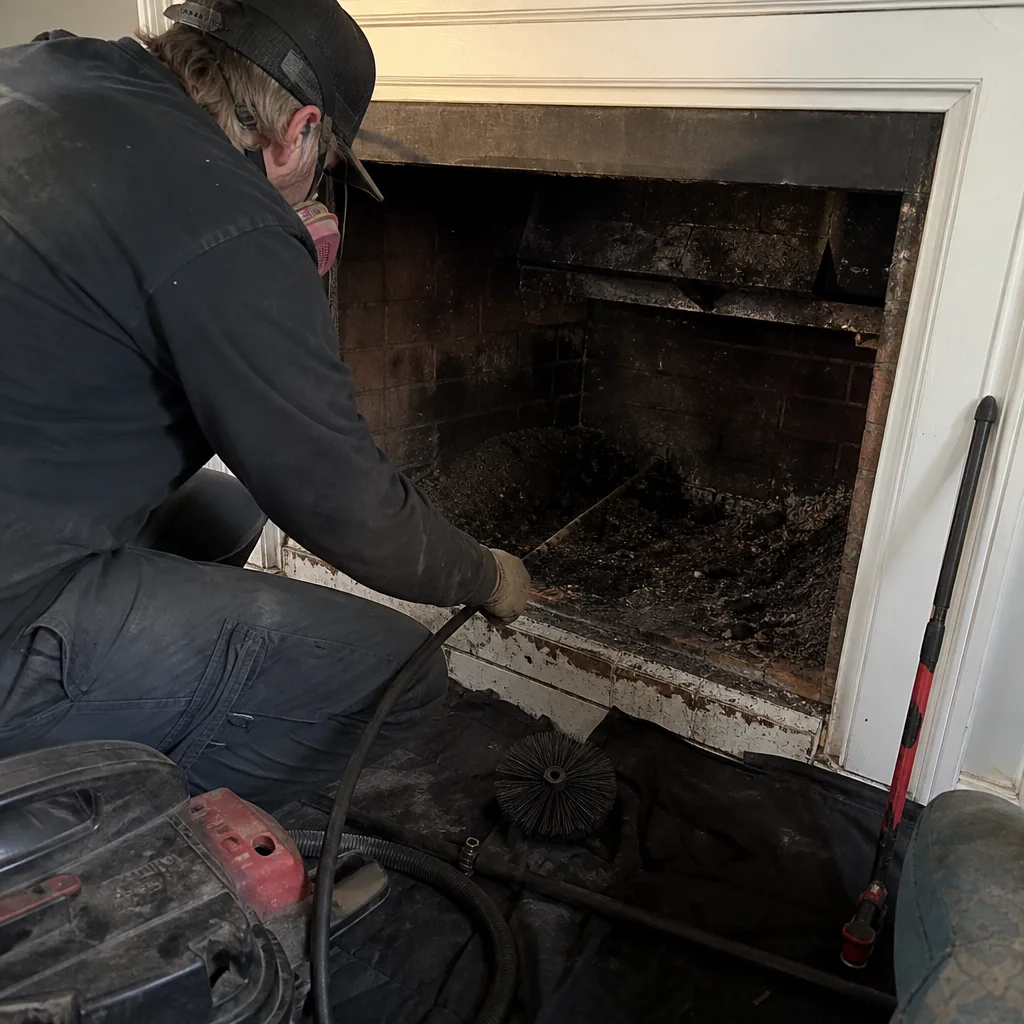 Before
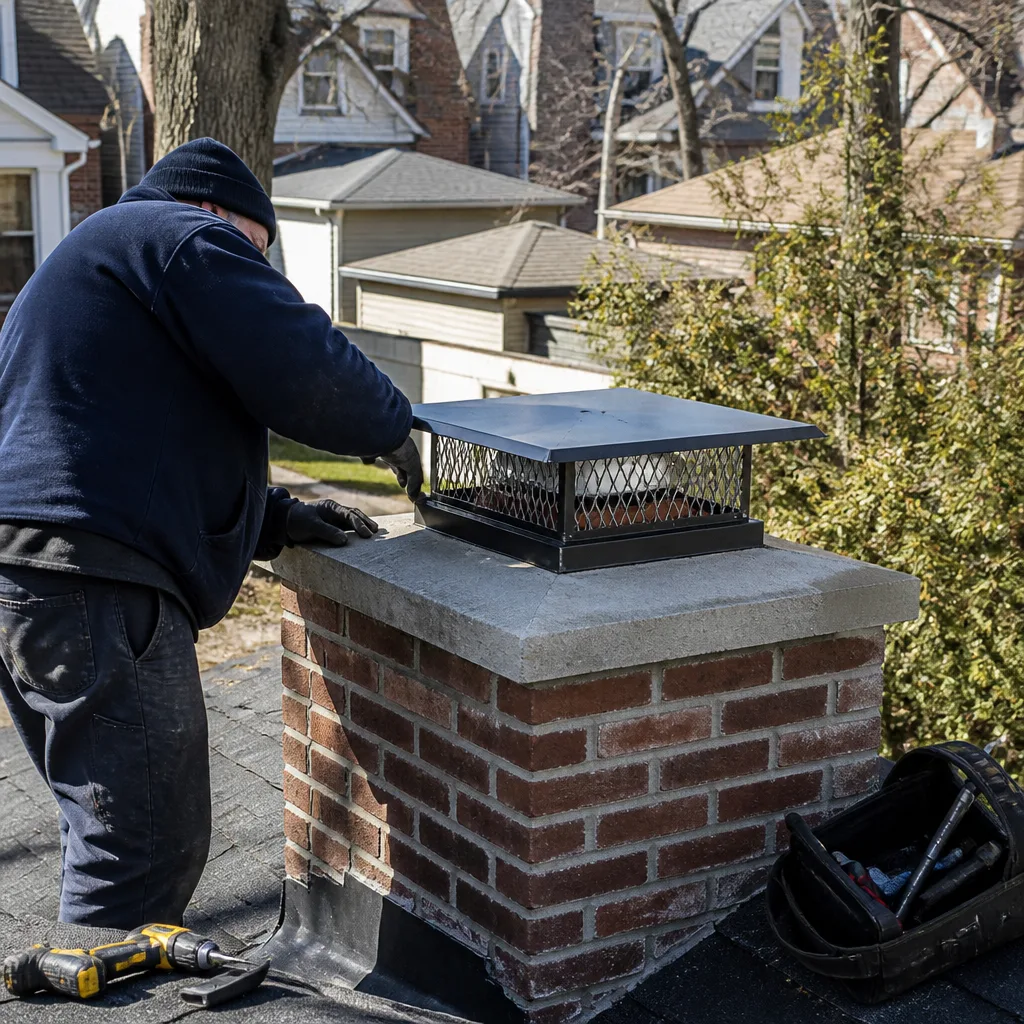 After
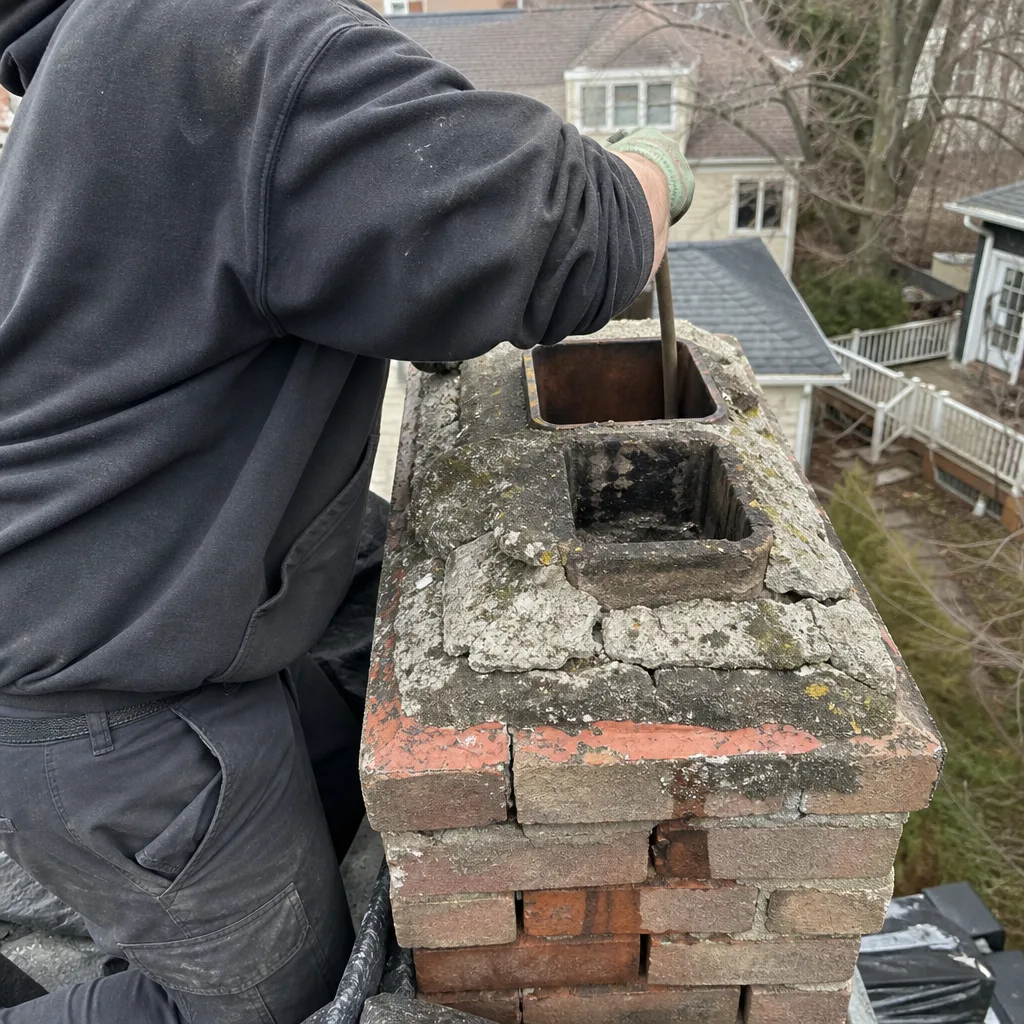 Before
 After
 Before
 After