

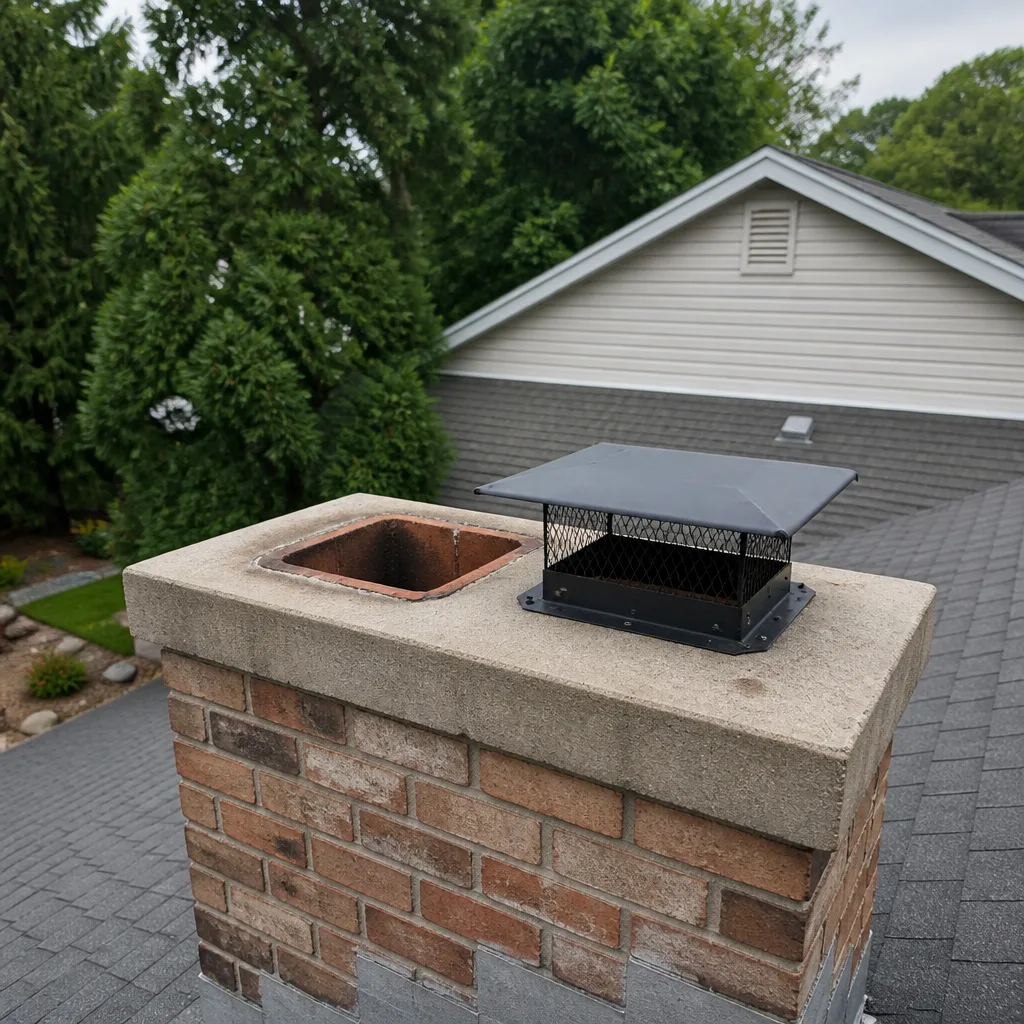
 Sweep & inspection
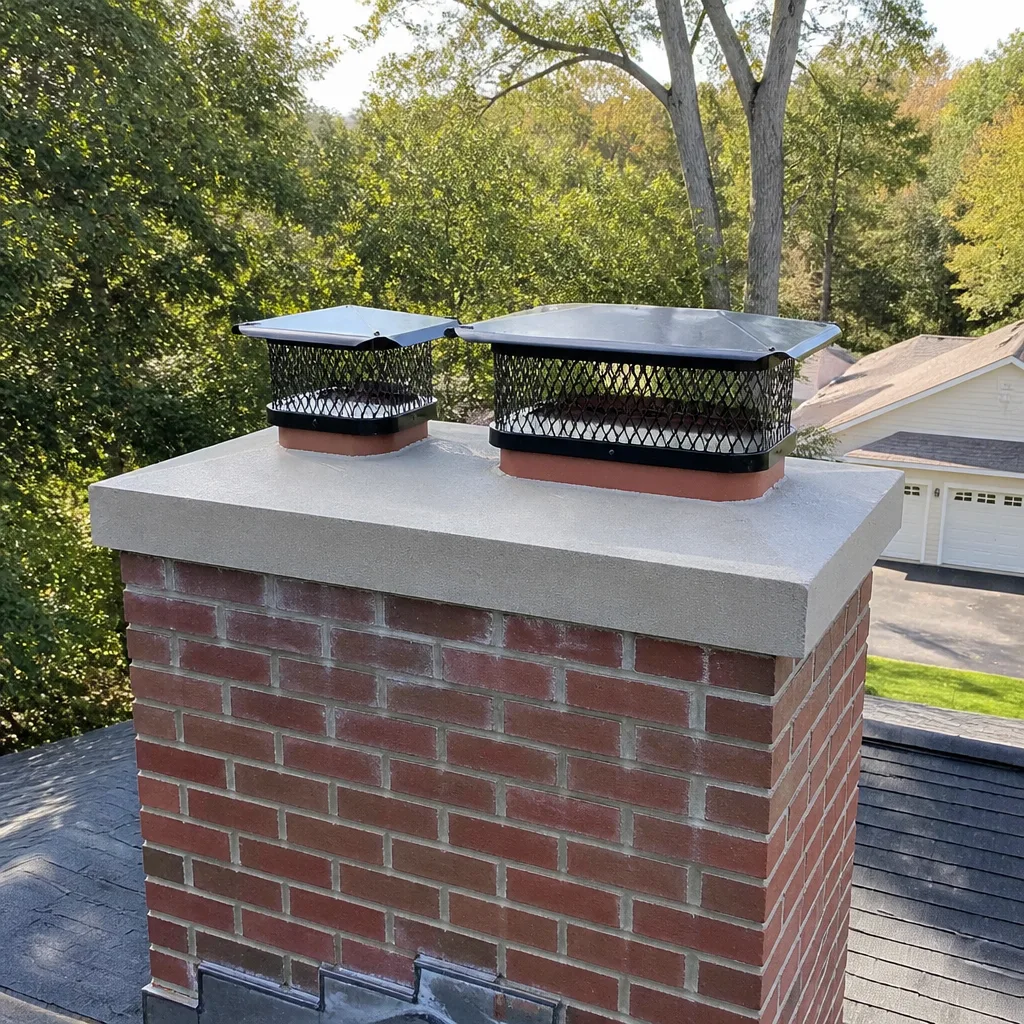 Caps & crowns
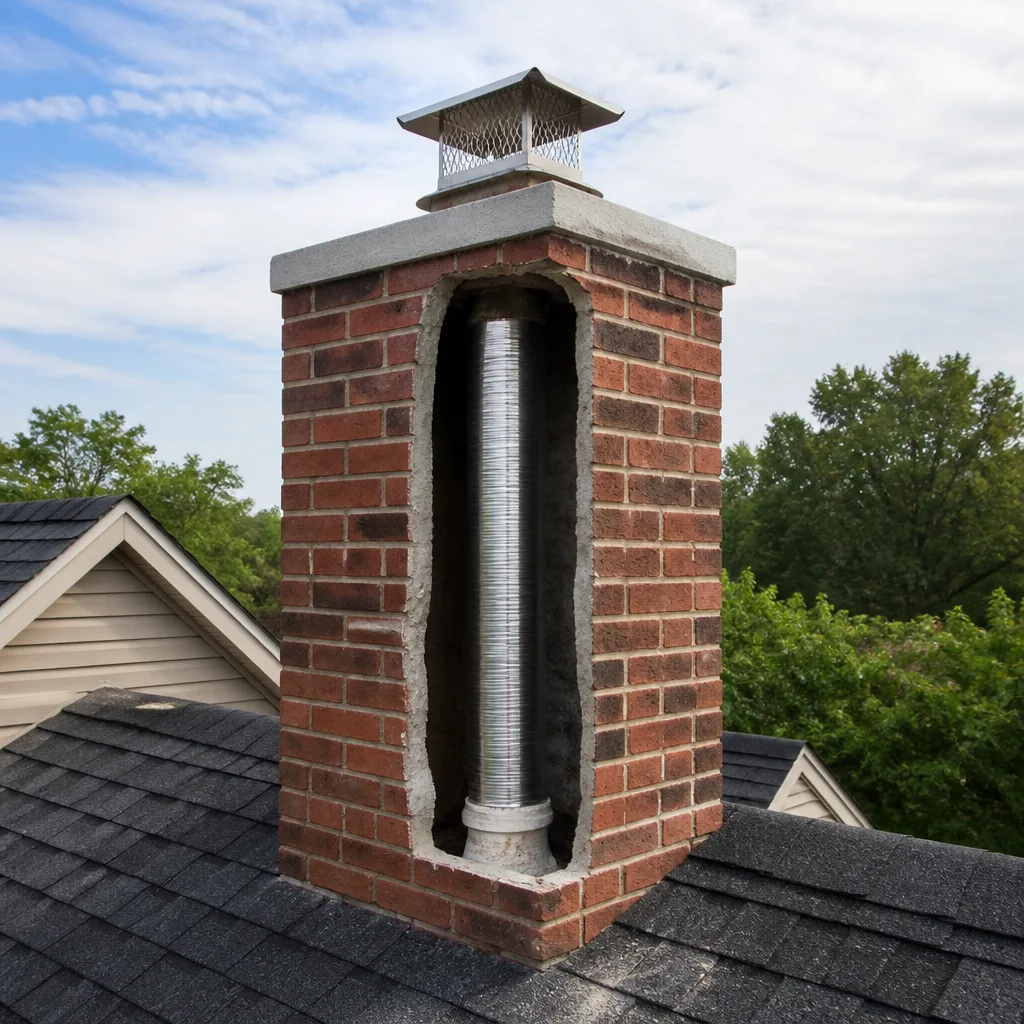 Flue relining
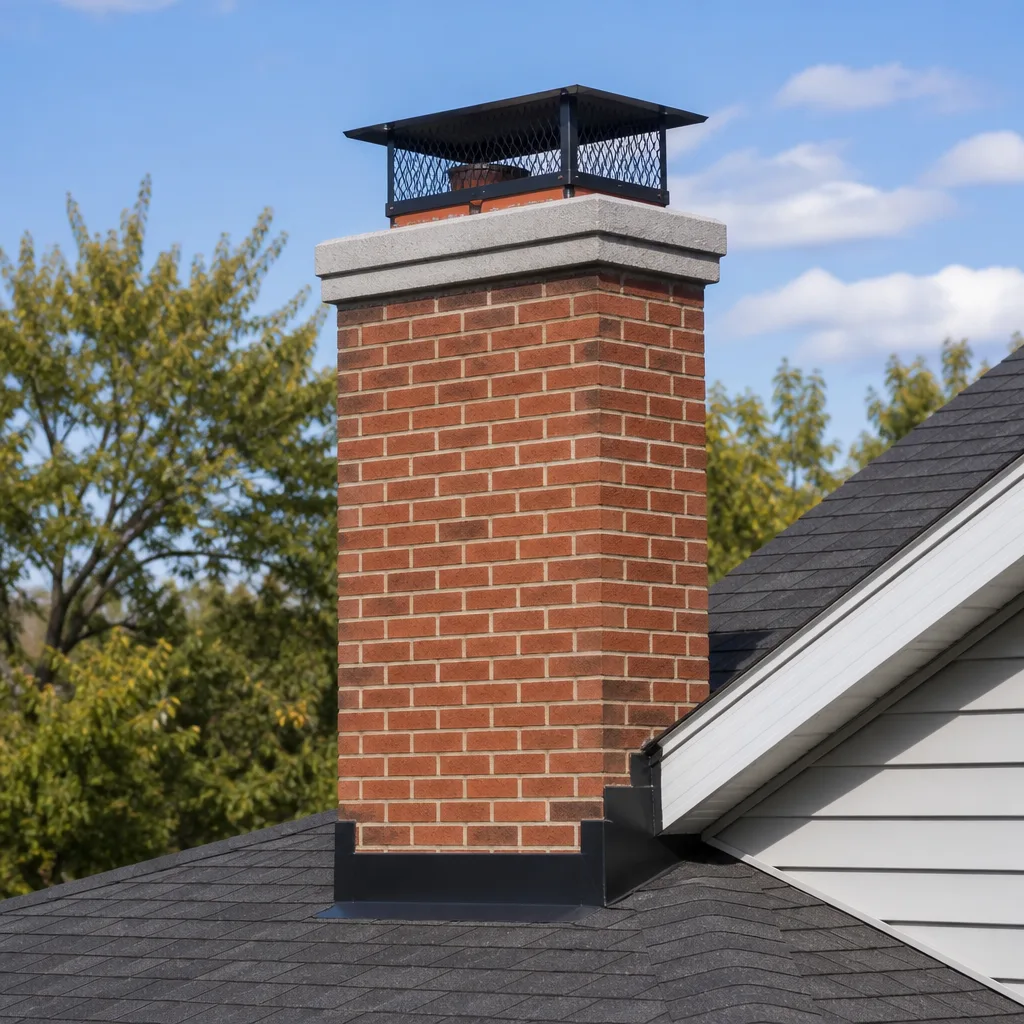 Masonry repair
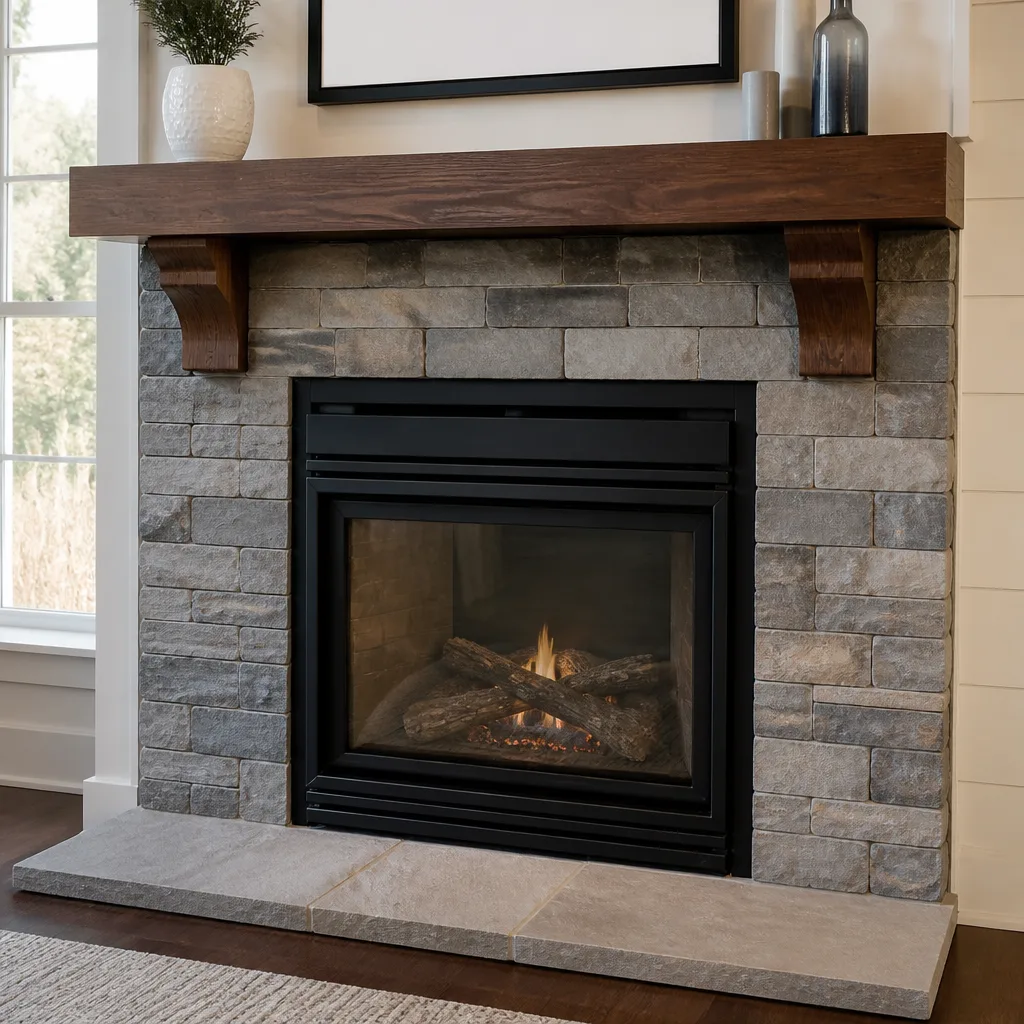 Gas fireplace service
Level 1 sweep and inspection to the NFPA 211 annual standard - flue, crown, cap, and flashing checked and photographed
Chimney sweep logs do not sweep chimneys. They loosen some creosote - which then falls where a brush and vacuum still have to collect it.
HeatShield Chimney Cleaning in Chicago Lawn, IL | Sandstone Chimney Sweep
We provide independent HeatShield chimney cleaning and relining service across Chicago Lawn’s 60629 zip code, from the brick two-flats off Kedzie to the bungalows near Marquette Park, and we also offer West Elsdon HeatShield service nearby. What makes our HeatShield work different here is the sequence: on Chicago Lawn’s century-old shared chimneys, the flue scan and masonry repair almost always come before the liner. If you need HeatShield service in Chicago Lawn, call (833) 589-7835 for a free estimate.
Sandstone Chimney Sweep works with HeatShield systems weekly, and we’re the crew that tells you honestly when a cast-in-place liner is the right call and when tuckpointing has to come first. We’re not affiliated with or authorized by HeatShield. We specify their ceramic lining systems because they’re built for the exact flue geometry Chicago Lawn throws at us: undersized, unlined clay tile in brick stacks that have been working since the 1920s. If you’re searching for HeatShield sales & service, you’ll find we carry the same spec-grade materials a restoration contractor would order, not a consumer substitute.
Why Chicago Lawn Residents Choose Us for HeatShield Service
Norm Sobieski, our owner, grew up in Albany Park just off the Lawrence Avenue corridor and learned the mechanical side of chimneys through the HVAC and building systems program at Truman College. Before starting Sandstone, he spent years on residential chimney work across Chicago’s northwest neighborhoods. He still lives in the same kind of 1920s brick housing stock he now services in Chicago Lawn, so the flue problems here aren’t abstract to him. They’re familiar. When we look at a shared two-flat stack with three clay flues, we know what we’re going to find before we open the cleanout door.
We serve all of Chicago Lawn service area with HeatShield expertise that’s grounded in local conditions, not a national call center script. The difference shows up in how we diagnose. A standard sweep gets you a clean flue. We do a full flue scan when the situation calls for it, because on Chicago Lawn’s multi-flue stacks, a clean flue that’s venting an appliance from the wrong unit is still a hazard. We use HeatShield’s own ceramic insulation and mix formulations, never a substitute castable, because the system’s performance depends on the manufacturer’s specified materials. That’s the approach: we find it, we fix it, and we use parts built to outlast the season.
Styles & brands we work with
Common HeatShield Chimney Cleaning Problems We Solve in Chicago Lawn
- Spalled clay tile breaking the lining bond. HeatShield lining bonds to the host flue. On Chicago Lawn’s original clay tile, we regularly find spalled faces and missing mortar joints inside the flue that prevent the cast-in-place material from adhering. The fix is stabilizing the host before lining, which is why our Level 2 inspection includes a flue scan, not just a visual check.
- Cracked flue walls from coal-era heat damage. Many Chicago Lawn chimneys started life venting coal furnaces in the 1910s and 1920s. That heat, followed by decades of gas appliance cycling, leaves delaminated flue walls that cannot accept a cast-in-place lining without repair or partial rebuild first. We document this with camera inspection so you see exactly what we see.
- Freeze-thaw spalling on exterior stacks. Chicago Lawn winters are hard on brick. Repeated warming and refreezing pushes moisture into the masonry, spalling brick faces and opening mortar joints. A HeatShield liner installed before crown and tuckpointing work is exposed to that same moisture, so we address the stack before the flue.
- Cross-contamination between flues in shared two-flats. On a two- or three-flat building, each unit’s furnace and water heater should vent through its own flue. We routinely find exhaust crossing between flues because a tile partition failed or a connector was routed wrong. A HeatShield lining sized for one appliance is the wrong call if flue assignments haven’t been verified.
- Orphaned flues venting disconnected appliances. We see flues that still serve an appliance removed years ago. Without a flue scan, that orphaned flue looks like an unused pipe. With one, we find the issue and can resize or close the flue properly so the active venting has a single, correctly sized path.
HeatShield Service in Chicago Lawn: What Local Conditions Mean for Your Equipment
Here’s what is specific to Chicago Lawn, and it changes how HeatShield work gets done here. Most exterior stacks on the area’s two- and three-flat blocks carry multiple flues serving separate units’ furnaces and water heaters. That means a routine sweep often turns into a full flue scan, because the real risk isn’t creosote buildup. It’s exhaust cross-contamination between units, or a flue venting an appliance that was disconnected years ago. On a brick two-flat off South Kedzie, our tech pulled the furnace and water-heater connectors on a shared exterior stack and found two flues cross-contaminated and one orphaned. After a Level 2 inspection showed stable clay with localized spalling, we rebuilt the crown, tuckpointed the stack, and lined the active flue with HeatShield to bring venting back to a single, properly sized path for both units. That sequence, masonry first, then the liner, is the part a generic HeatShield page skips. In Chicago Lawn, skipping it means a new liner that fails inside a damaged stack. Your flue is a system, not just a pipe, and on these blocks the system includes brick that has been standing since before the Model T.
HeatShield Models & Products We Service in Chicago Lawn
We work with the full HeatShield system line: the Ceramic Insulation System, Insulation Mix, Cast-in-Place Lining, and Flue Resizing. The flue resizing matters here more than in newer housing stock. Chicago Lawn’s original clay flues were sized for coal and early gas, which often means a modern furnace is venting into a flue that’s too large for it. That oversized flue cools exhaust too fast, condensing corrosive moisture against the tile. HeatShield’s cast-in-place lining resizes the flue to match the appliance, which is a real fix, not a patch. When we install, we use HeatShield’s specified ceramic insulation and mix formulations. Aftermarket castables are not the same material, and the system’s bond strength depends on using what the manufacturer specifies. We stock the HeatShield products and standard DuraFlex components for Chicago Lawn jobs, so turnaround on a reline doesn’t wait on a freight truck from out of state.
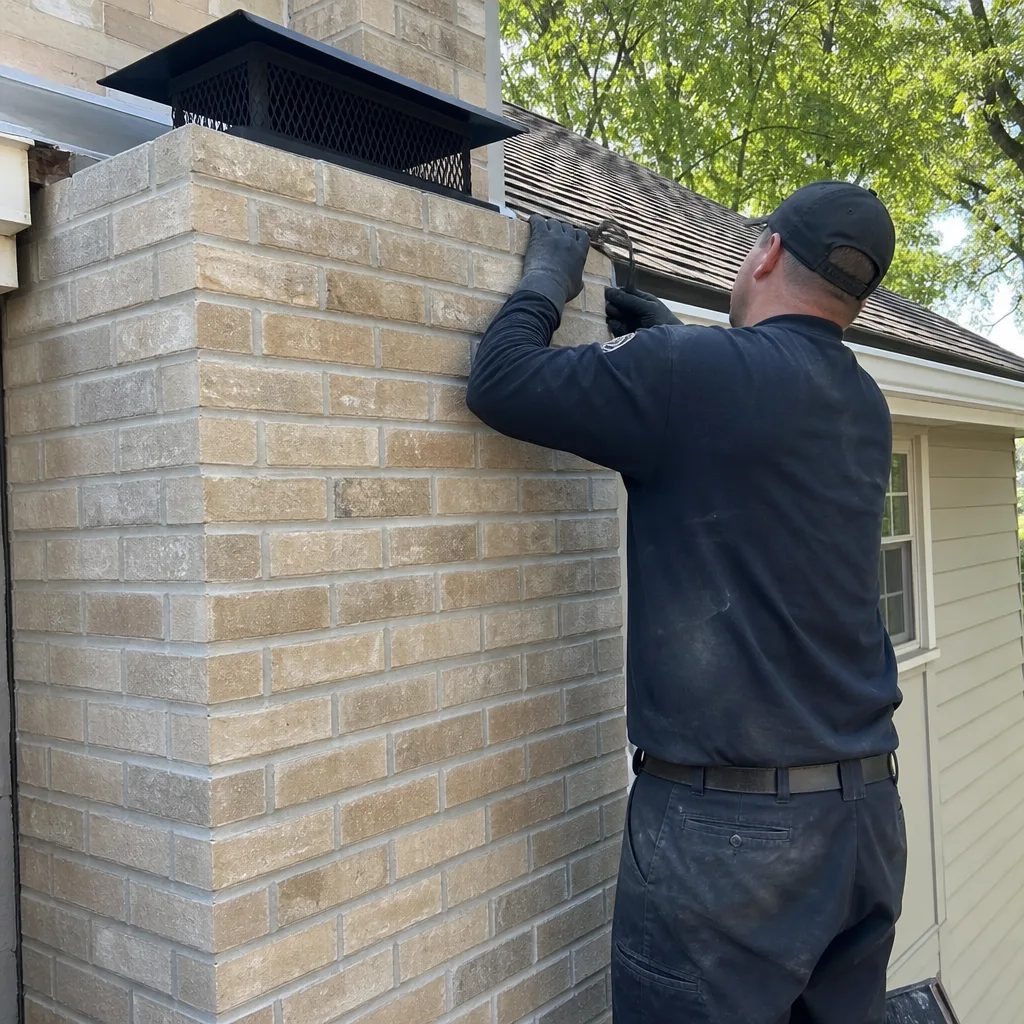
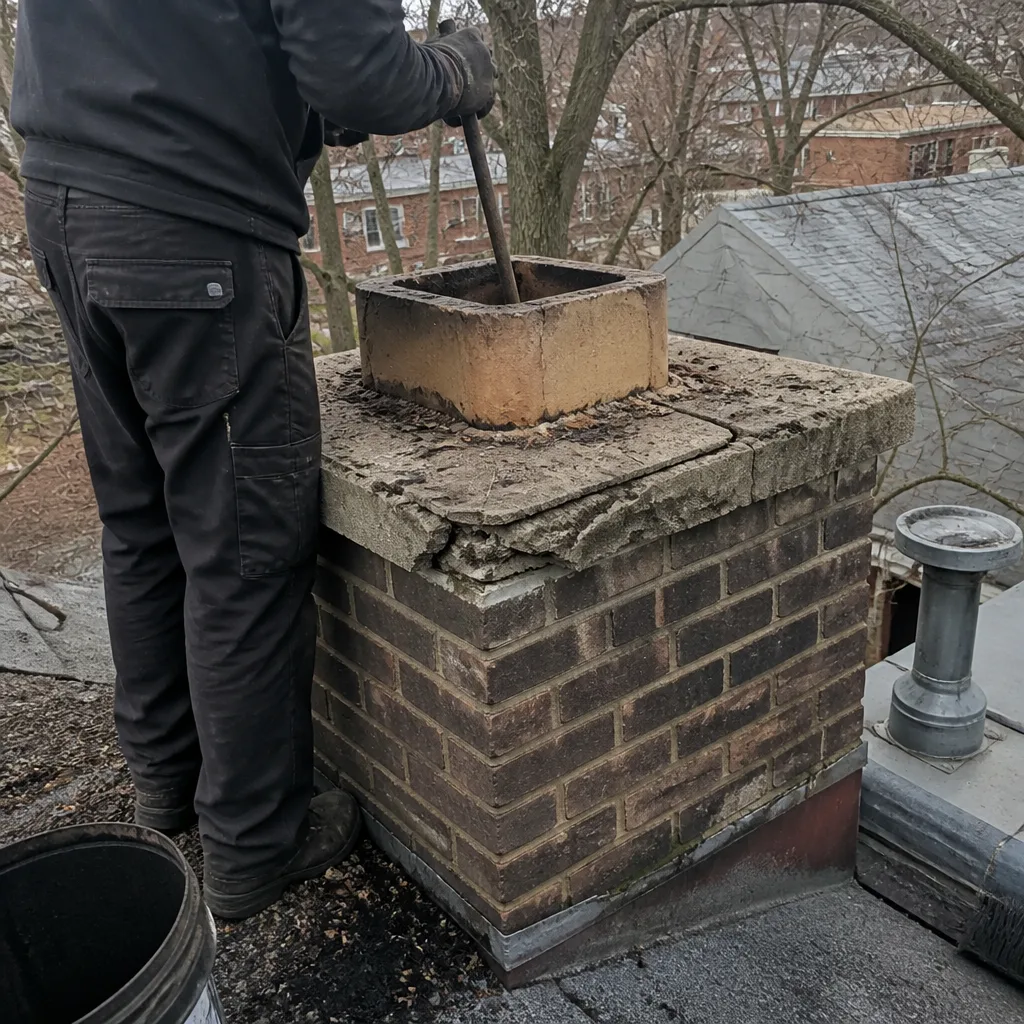
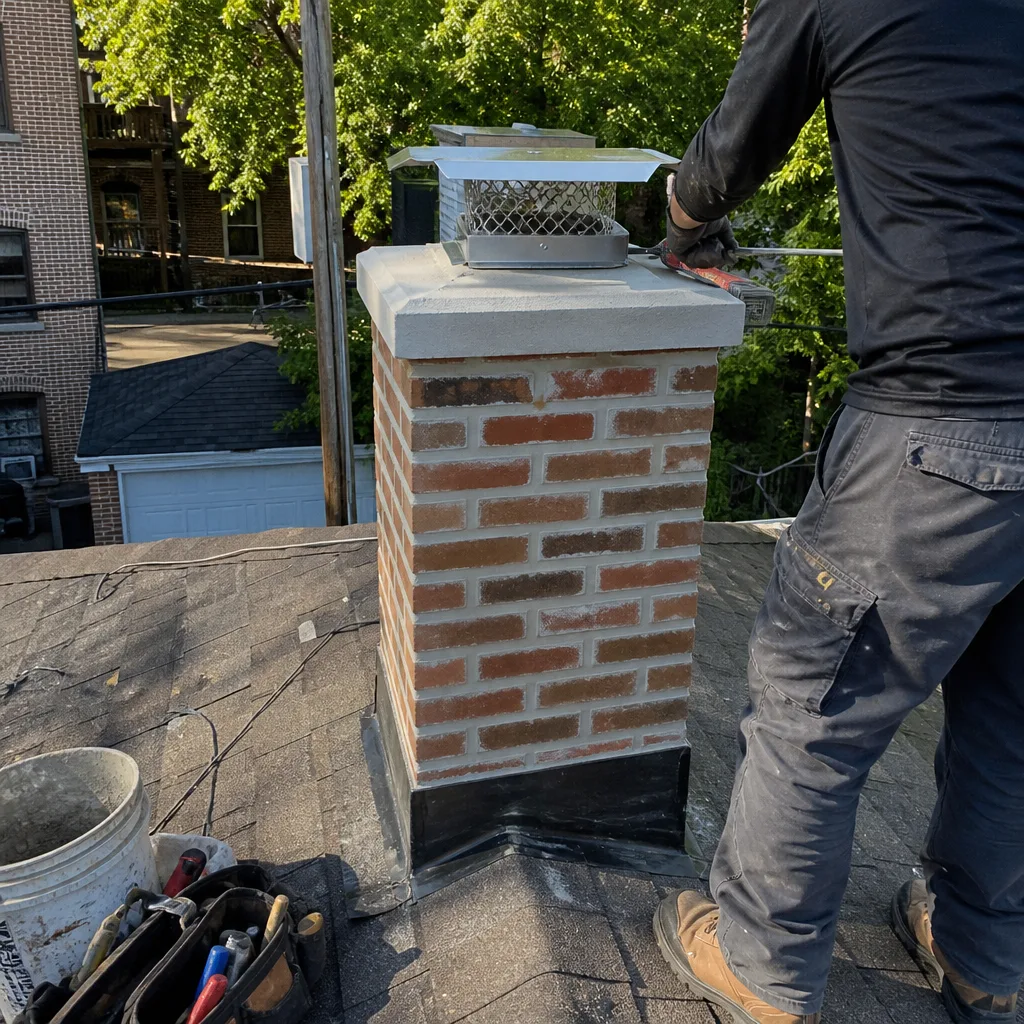
See the difference
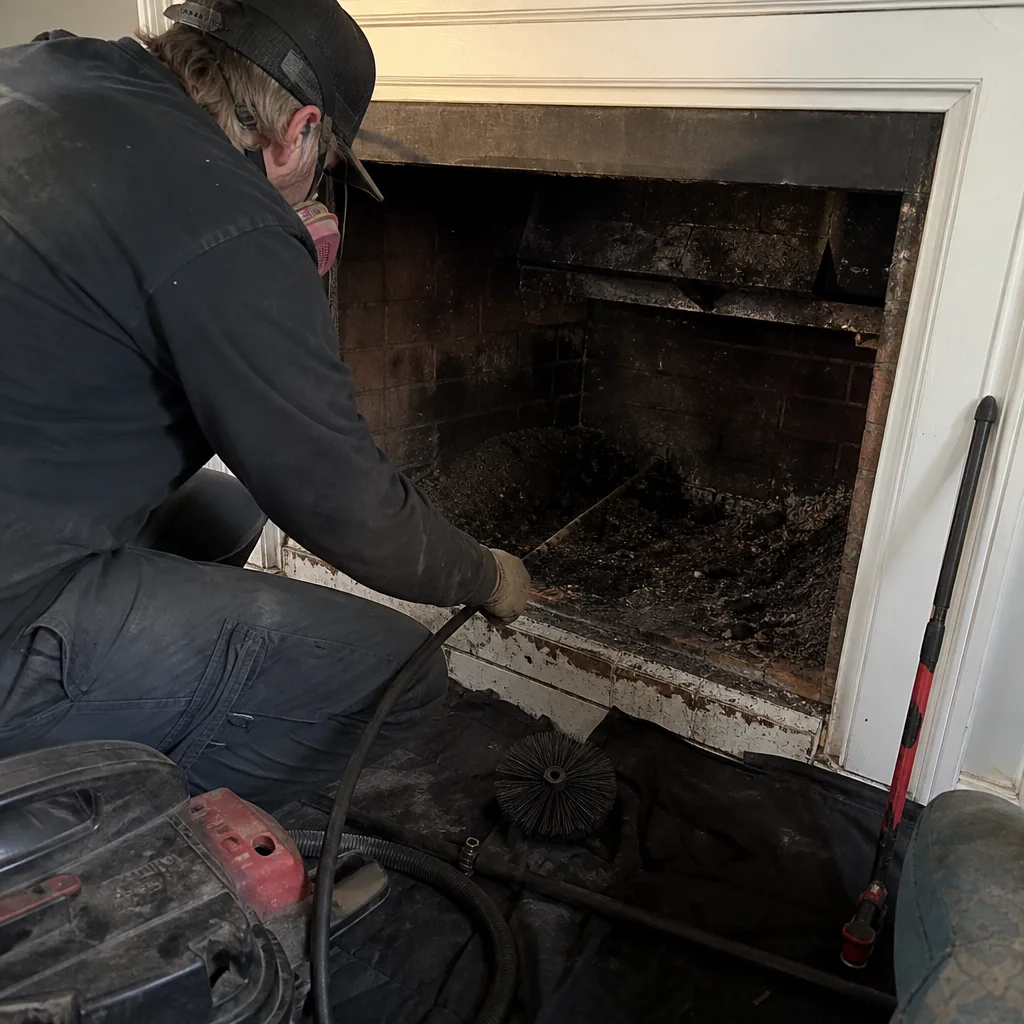 Before
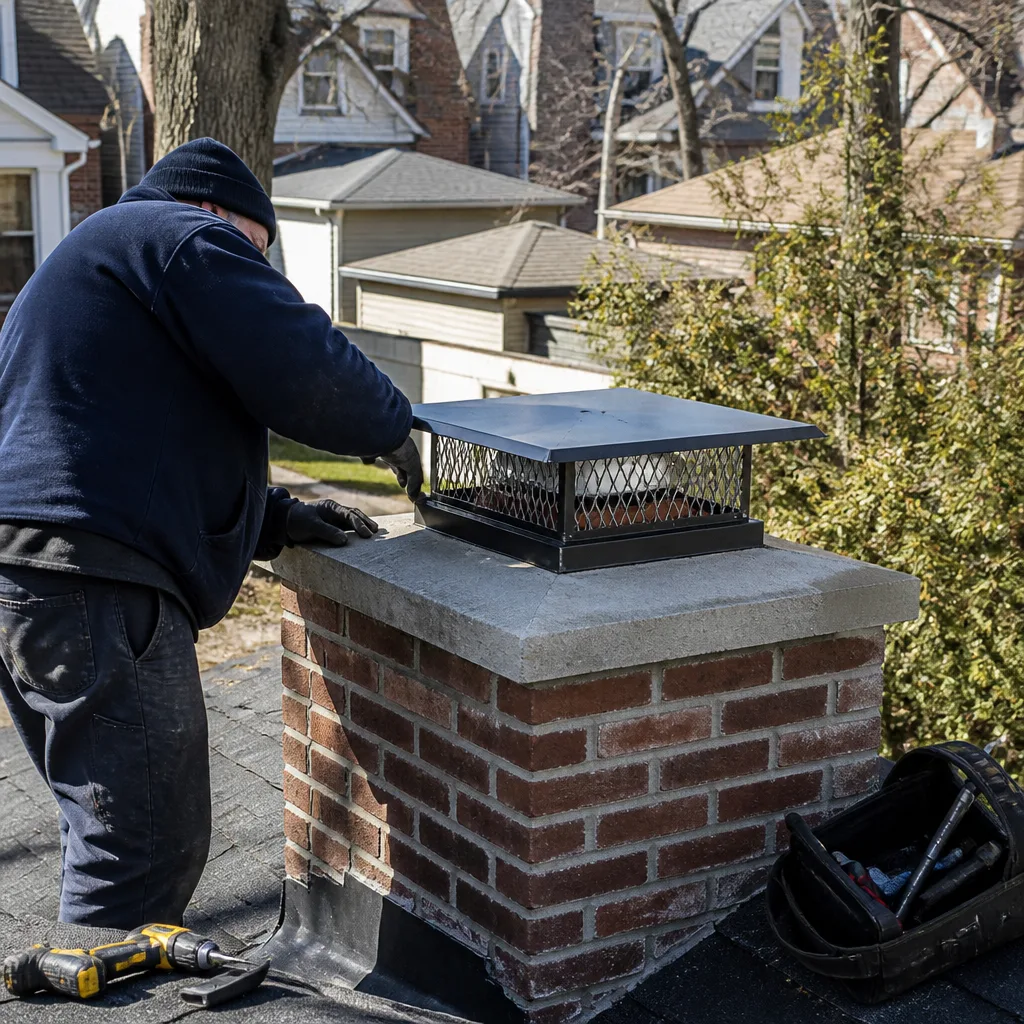 After
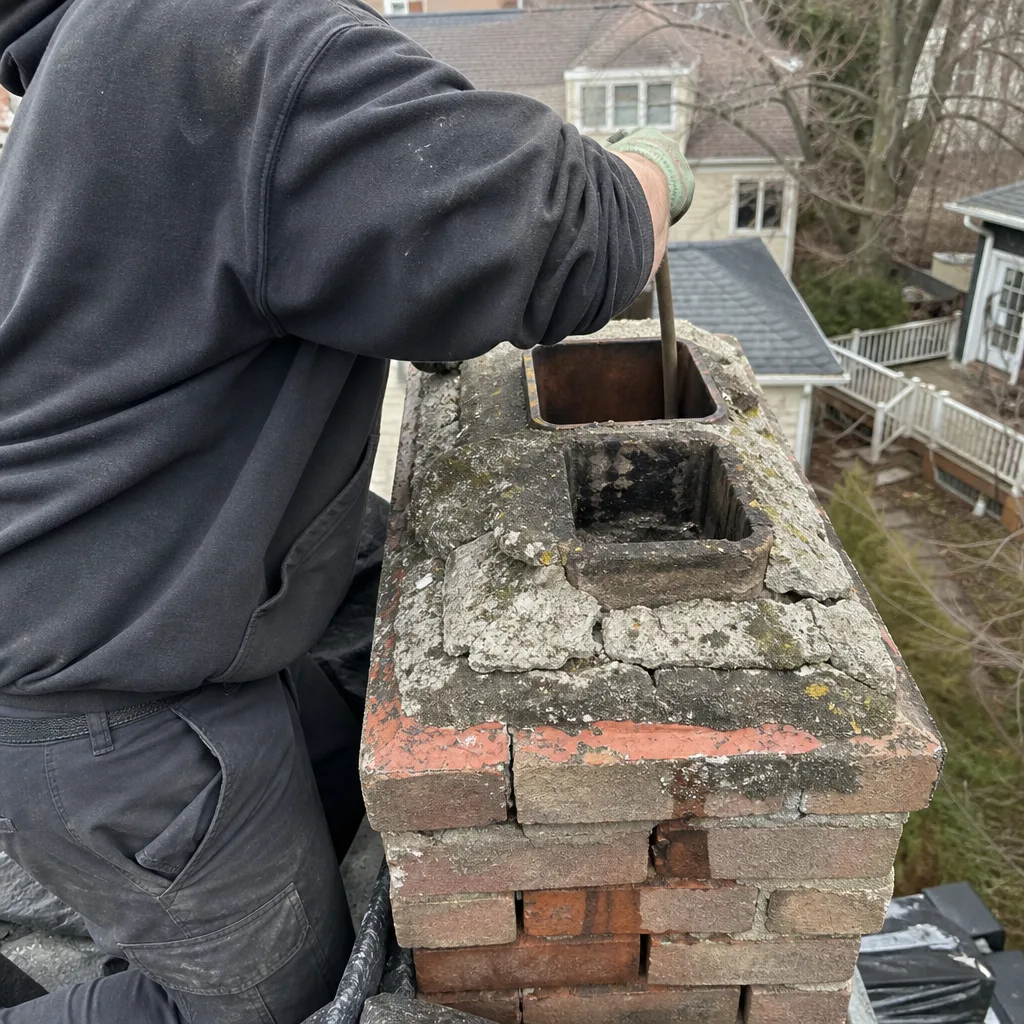 Before
 After
 Before
 After
HeatShield Service Pricing in Chicago Lawn
HeatShield relining in Chicago Lawn typically falls between $3,500 and $7,000, depending on flue length, the number of flues in the stack, and how much masonry repair the host stack needs first. A chimney sweep in Chicago Lawn runs $189 to $320, and a Level 2 camera inspection we scope based on what the initial look reveals. The honest variable is the masonry: if the crown is failed or the brick is spalled from freeze-thaw, the liner quote without that repair is a partial fix. Our free estimate includes a straight read on what the stack needs before we talk liner, and nothing gets recommended without camera evidence you can view yourself. Call (833) 589-7835 for an exact quote. We’ll tell you plainly what can wait and what can’t.
Serving Chicago Lawn, IL — Our Local Coverage Area
We’re based in the Chicago Lawn area and know this community well, and we provide HeatShield service in Oak Lawn too. Use the map below to see our service coverage — if you’re nearby, we can almost certainly help.
FAQs – HeatShield Chimney Cleaning in Chicago Lawn
Yes, most likely. A standard sweep cleans the flue path, but on a shared Chicago Lawn stack with multiple flues, the question isn’t just whether the flue is clean. It’s whether each flue vents the right appliance, whether exhaust is crossing between flues, and whether an orphaned flue is still connected to something it shouldn’t be. We recommend a Level 2 inspection with a flue scan before any relining decision. Without it, you’re lining a flue that may be assigned to the wrong unit. Call (833) 589-7835 to schedule an inspection, and we’ll tell you what we find before we quote any work.
Sometimes yes, sometimes no. HeatShield bonds to the host flue wall, so the condition of that clay tile matters. On Chicago Lawn’s original tile, we often find spalled faces, missing mortar joints inside the flue, or offset tile sections from settling. Those have to be stabilized before the cast-in-place lining goes in, or the bond fails. Our camera inspection shows the tile condition, and we base the recommendation on that footage. If the host can be stabilized, we repair and then line. If it can’t, we say so. Call (833) 589-7835 for a free estimate.
Freeze-thaw cycling is the culprit. Chicago Lawn winters swing between freezing and thawing repeatedly, and moisture that has soaked into the brick and mortar expands when it freezes, fracturing the surface. Wind-driven snow adds water, and summer humidity keeps the masonry damp. The fix is tuckpointing the open joints and rebuilding the crown to shed water, which we recommend doing before any HeatShield liner goes in. A liner inside a moisture-saturated stack is a liner exposed to water from the brick itself. Call (833) 589-7835 and we’ll assess your stack’s masonry while we quote the liner.
In many Chicago Lawn bungalows, yes. The original clay flue was sized for a coal furnace or early gas appliance, which ran hotter and needed a larger flue. A modern high-efficiency furnace exhausts cooler gas, which condenses inside an oversized flue and attacks the tile with acidic moisture. HeatShield’s flue resizing shrinks the passage to match the appliance, reducing condensation and extending the life of the chimney structure. On a bungalow with a single furnace, the liner is often a straightforward job with a real durability payoff. Call (833) 589-7835 for an exact quote.
You usually won’t know without a flue scan. A flue that vents a removed appliance looks like an empty pipe from the top, and a standard sweep won’t flag it. On Chicago Lawn’s two-flats, we find orphaned flues regularly because units get remodeled and old furnaces or water heaters get removed without anyone addressing the flue. The risk is that the orphaned flue becomes a path for exhaust from another unit, or it draws air and disrupts draft on the active flue. Our camera inspection maps every flue and confirms what each one serves. Call (833) 589-7835 to schedule one for your building.
Service Areas Near Chicago Lawn
We serve Chicago Lawn and the surrounding neighborhoods, including the Near North Side, Chicago Loop, Lincoln Park, West Town, and the Near South Side. If you’re in River Forest, we also provide HeatShield service in River Forest, and for Forest Park, HeatShield service in Forest Park. The same spec-grade materials and the same flue-scan-first approach apply, whether the stack is a 1920s two-flat in Chicago Lawn or a bungalow further north.
Book Your HeatShield Service in Chicago Lawn Today
If your Chicago Lawn chimney needs a HeatShield liner, a Level 2 inspection, tuckpointing, or a full rebuild before the liner, we’ll walk you through the sequence honestly, just as we do for HeatShield repair in West Englewood. Two fire hazards, one visit: we also clean dryer vents alongside chimney work. Call (833) 589-7835 for a free estimate.
Written by Norm Sobieski, Owner at Sandstone Chimney Sweep, serving Chicago Lawn and the surrounding neighborhoods. A clean flue isn’t a luxury, it’s just what a working fireplace requires.