
Last updated October 30, 2026
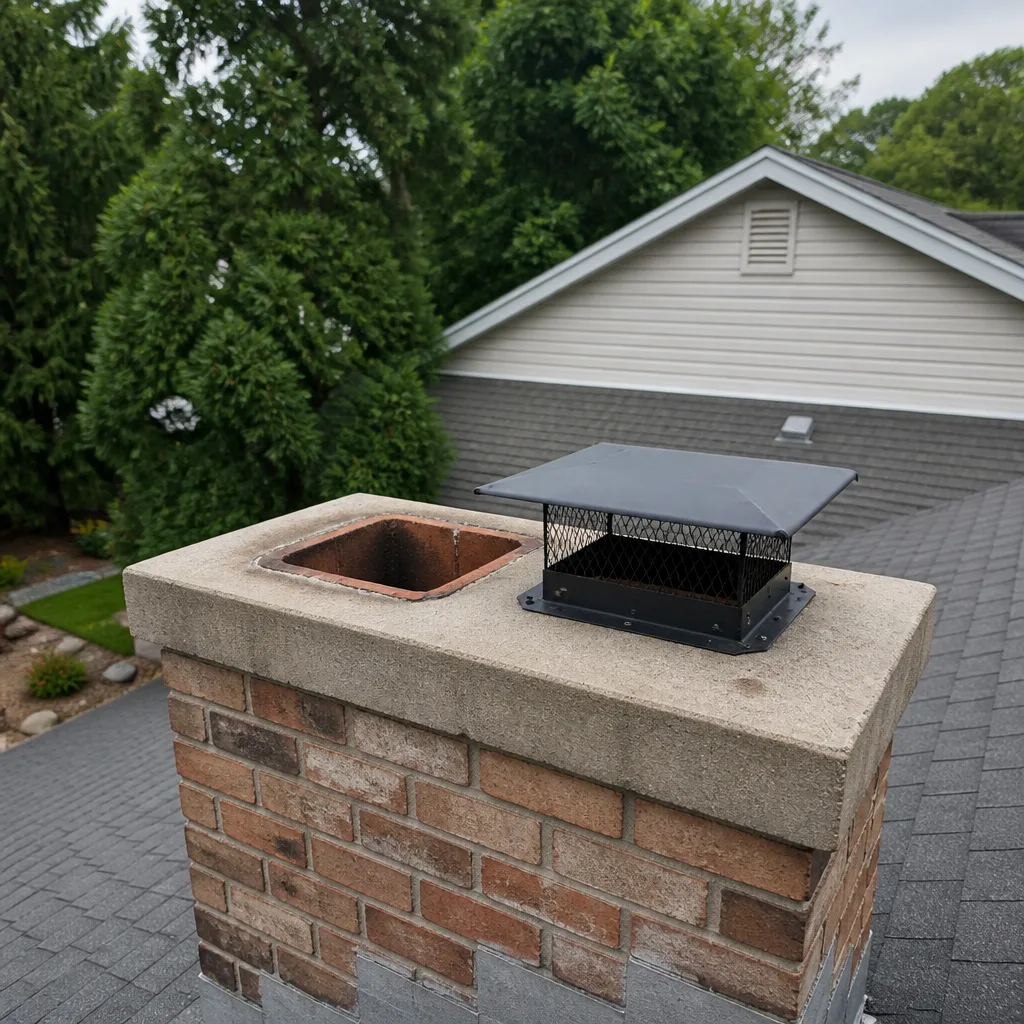 Sweep & inspection
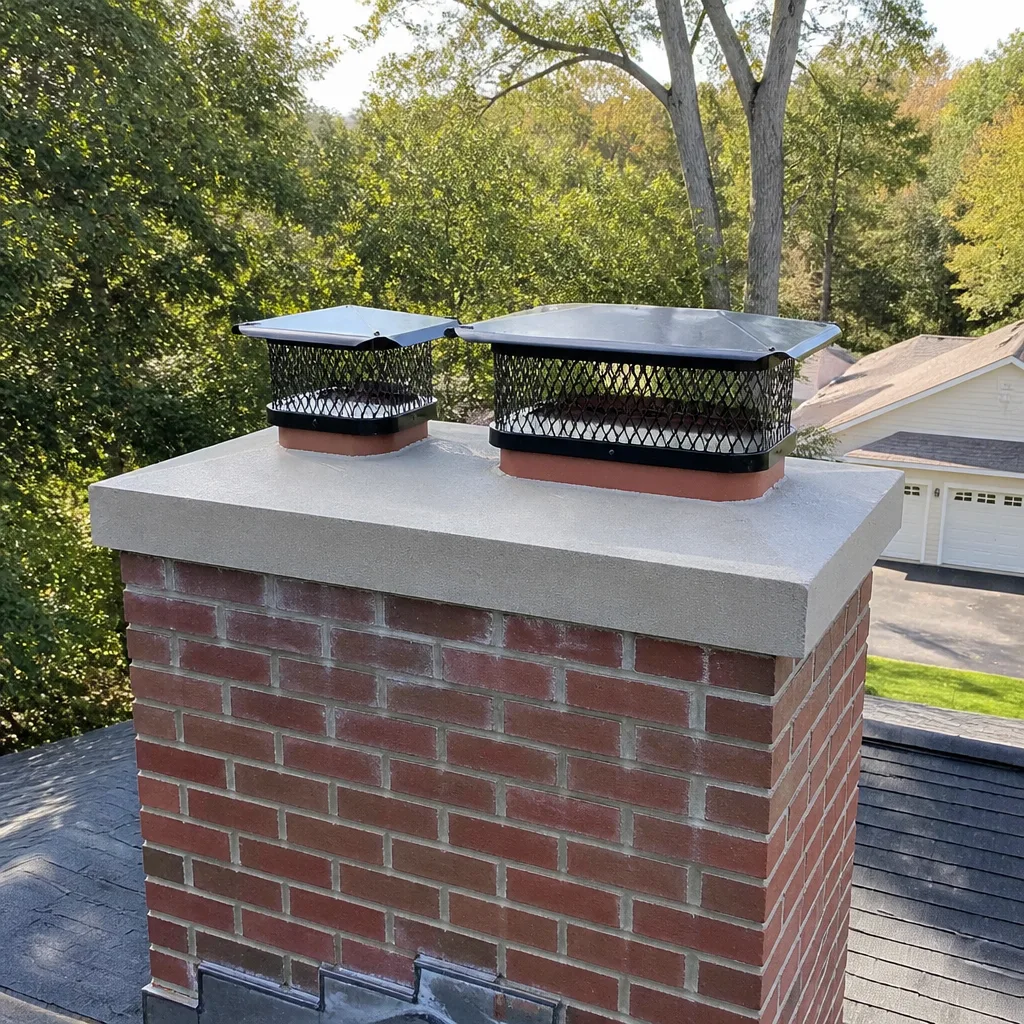 Caps & crowns
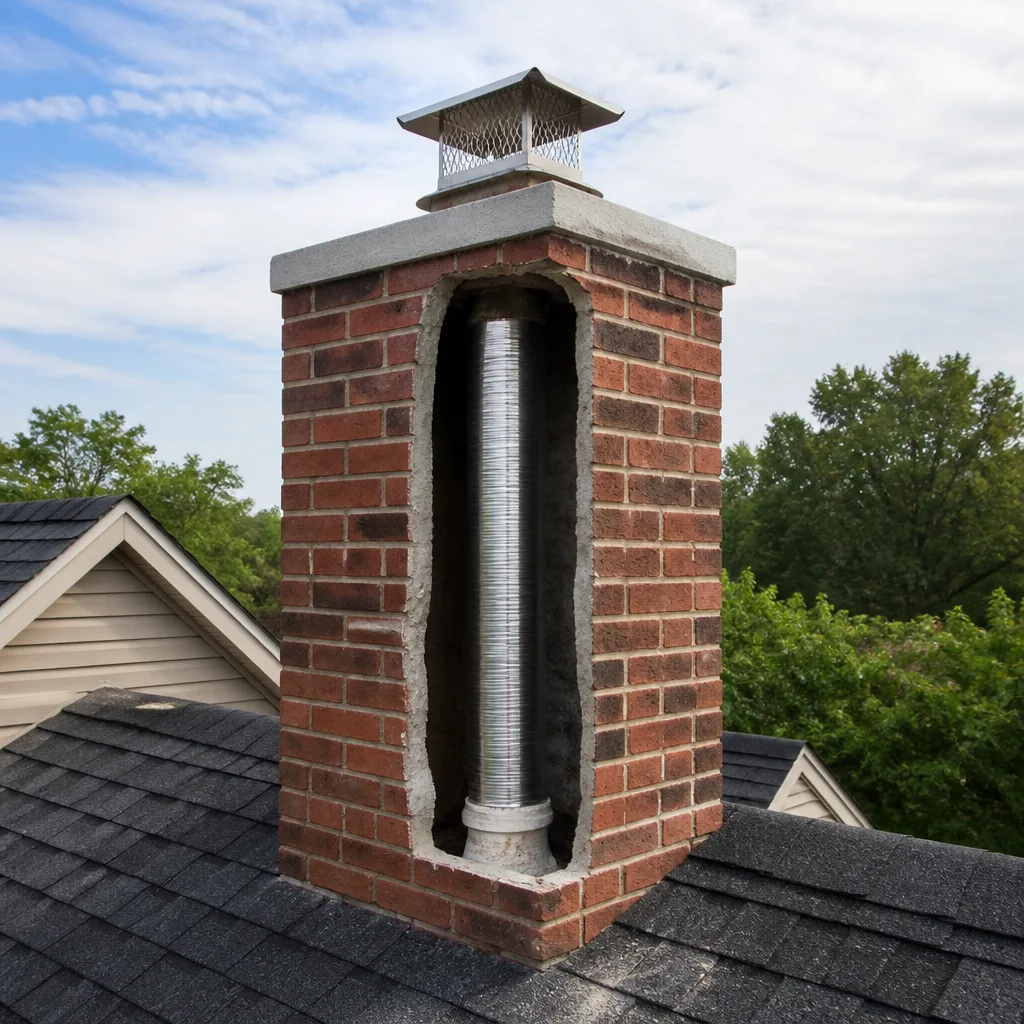 Flue relining
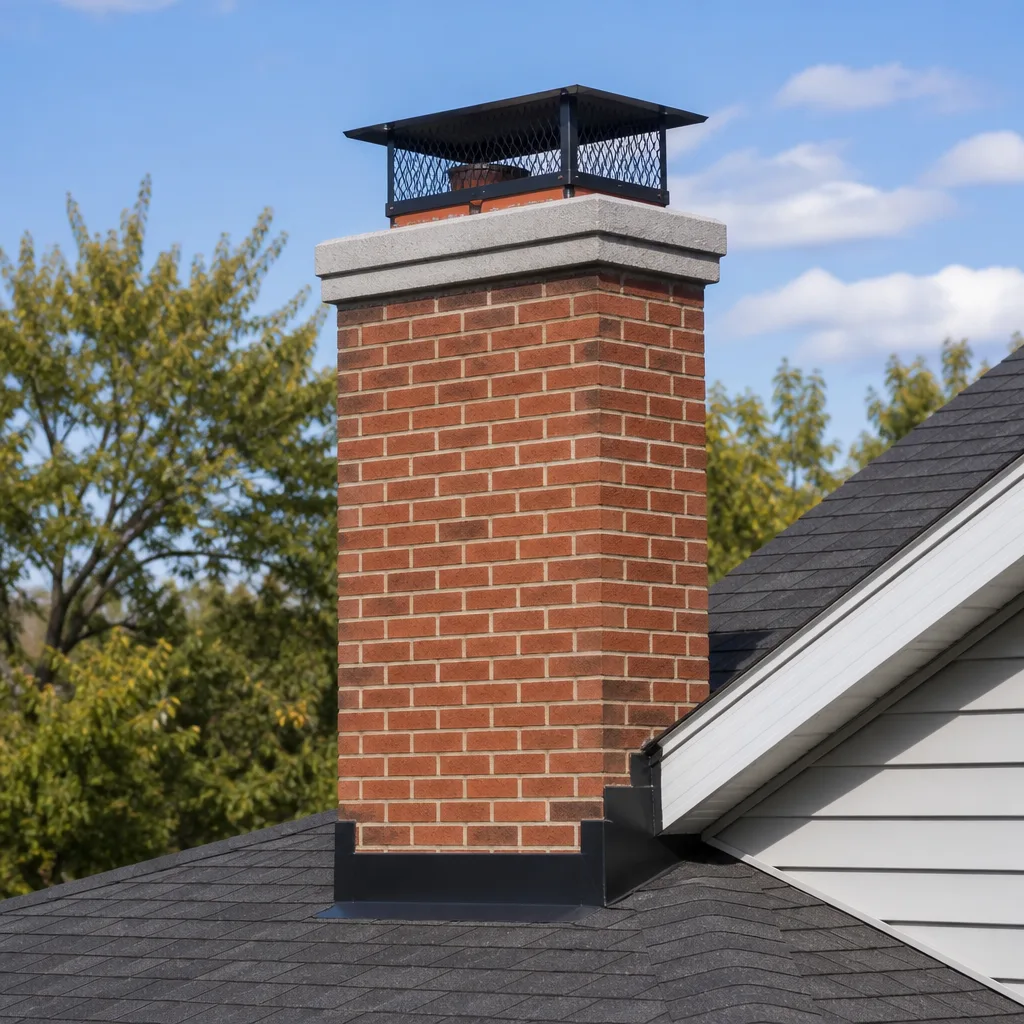 Masonry repair
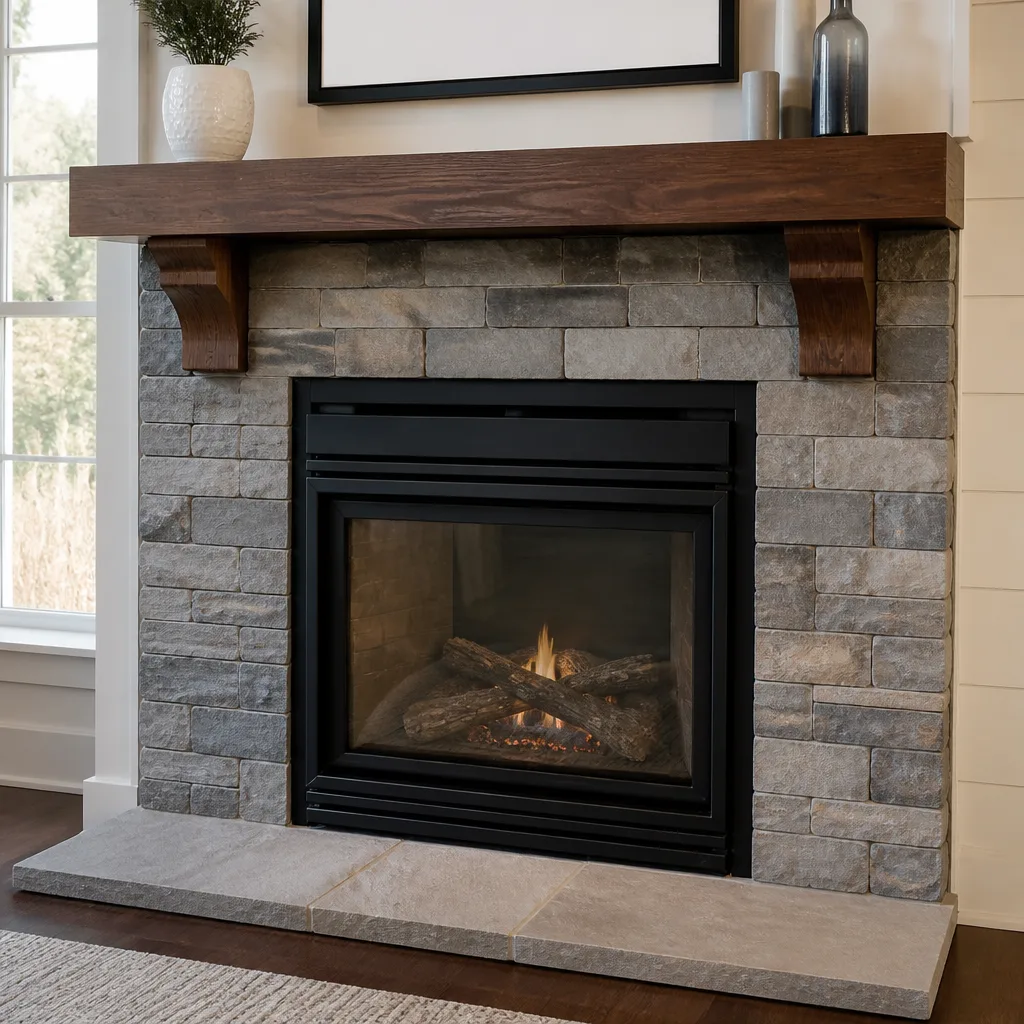 Gas fireplace service
Level 1 sweep and inspection to the NFPA 211 annual standard - flue, crown, cap, and flashing checked and photographed
Chimney sweep logs do not sweep chimneys. They loosen some creosote - which then falls where a brush and vacuum still have to collect it.
Chimney Cleaning Warning Signs: A Near North Side Homeowner’s Reference Guide
A smoky smell on a warm August afternoon with no fire burning isn’t a ventilation quirk. It’s usually moisture-activated creosote off-gassing from a flue that has more buildup than the last sweep removed. Most Near North Side homeowners don’t ignore chimney problems. They misread them. They attribute the symptom to the wrong cause, wait for a clearer signal, and that signal often arrives as a chimney fire or a failed liner rather than a polite reminder. This guide covers ten observable warning signs, what each one actually indicates, and how to respond without overreacting or under-reacting. For more guides & resources, see our blog. You’ll learn which signs are cosmetic, which are structural, and which demand a call within the week.
Quick Answer
Chimney warning signs fall into three categories: visible exterior damage (spalling brick, staining, damaged caps), interior performance problems (smoky drafts, persistent odors, damper resistance), and hidden liner failure (metallic smells, wall staining near the flue chase). In Near North Side, dense housing and limited sightlines make exterior signs easy to miss, which means interior observations matter even more. If you notice two or more signs together, schedule a professional inspection rather than waiting for the next burning season. Use our Chimney Sweep Maintenance Checklist for Near North Side Homeowners to track what to watch for.
Styles & brands we work with
Table of Contents
- The Creosote Odor Pattern You Shouldn’t Ignore
- Draft Problems: When Smoke Doesn’t Leave
- Damper Resistance: The Mechanical Tell
- Exterior Staining and Efflorescence: What the Brick Is Telling You
- Spalling Brick and Mortar Joints: Structural Decay in Progress
- Interior Warning Signs: Walls, Ceilings, and Flue Chases
- The Metallic Smell: A Direct Liner Warning
- Why Near North Side Housing Hides Chimney Problems
The Creosote Odor Pattern You Shouldn’t Ignore
Creosote has a distinctive smell: sharp, acrid, somewhere between asphalt and burnt sugar. When it’s cold, the smell stays dormant inside the flue. When humidity rises or temperatures climb, the creosote warms and releases odor into the home, even with the damper closed. This is one of the most commonly misread chimney warning signs in Near North Side. Homeowners smell it on a humid day and open windows, assuming it’s a musty basement or something from the alley. It’s not.
The mechanism matters because it tells you how much buildup exists. Creosote forms when wood smoke condenses on the cooler walls of the flue. Some creosote is normal after a season of burning. But the odor you notice on a warm day is Stage 2 or Stage 3 creosote, the tar-like or glazed form that holds moisture and releases volatile compounds as it warms. Stage 1 creosote, the light sooty dust, doesn’t off-gas like this. So a warm-weather smell is not a sign of ordinary buildup. It’s a sign of accumulated tar that changed character since the last cleaning.
Here’s how to verify the pattern:
- Note whether the smell appears on humid days or warm afternoons, not just during fires.
- Check if the smell is stronger near the fireplace opening or in upper-floor rooms.
- Pay attention to whether the smell fades after a cold front passes. If it does, you’re smelling creosote, not plumbing or trash.
- If the smell persists year-round, the flue likely has a restricted draft or damaged cap allowing rain in, which reactivates the creosote repeatedly.
We tell Near North Side customers the same thing: a chimney that smells when it’s not in use is a chimney asking to be inspected. The inspection tells you whether a cleaning resolves it or whether you’re also looking at a liner issue that’s trapping moisture. Either way, opening windows is a temporary fix for a recurring signal. If you want a professional assessment, Chimney Sweep in Near North Side covers inspection alongside cleaning.
Draft Problems: When Smoke Doesn’t Leave
A smoky fireplace during normal operation is the warning sign most homeowners do notice, but they often blame the wrong component. Our Chimney Sweep Troubleshooting: Common Problems and How to Fix Them walks through how to identify the real cause. They assume the flue is dirty, when the real cause might be a change in the home’s air pressure, a partially closed damper, or a cap that’s no longer functioning. In Near North Side’s dense housing stock, draft problems are especially common because modernized windows, added insulation, and tighter weather sealing change how air flows through the home. A chimney that drafted fine in 1985 may smoke constantly in 2026 because the house breathes differently.
Draft is not just about the chimney. It’s about the relationship between the flue, the firebox, and the room. When you burn a fire, hot gases rise because they’re less dense than the cooler air outside. The flue’s job is to contain that rising column and direct it upward. Anything that disrupts the pressure difference, whether a blocked flue, a too-short chimney, or a home that’s sealed too tightly to supply replacement air, produces smoke spillage into the room. This is not merely annoying. Spillage means carbon monoxide and particulate matter are entering your living space instead of leaving through the chimney.
Common causes of draft failure, in order of how frequently we encounter them in Near North Side:
- A flue or smoke chamber coated with Stage 2 or 3 creosote, narrowing the passage enough to reduce velocity.
- A damper rusted or warped so that it doesn’t open fully, even when the handle moves.
- A chimney cap clogged with nesting material, leaves, or deteriorated mesh.
- Competing exhaust systems: a running kitchen hood, bathroom fan, or furnace can depressurize the room and pull smoke backward.
- A chimney that’s too short for the roofline, especially on flat-roofed or low-pitched Near North Side buildings where wind patterns compress the draft.
The diagnostic step is straightforward: have the flue inspected with a camera before assuming the fix is a routine sweep. If the draft problem persists after cleaning, the issue is structural or mechanical. That’s the difference between treating a symptom and fixing the cause. At Sandstone Chimney Sweep home, we approach draft complaints as system diagnostics, not just cleanings, because the draft is the output of the entire flue pathway.
Damper Resistance: The Mechanical Tell
A damper that’s hard to open, won’t stay open, or makes a grinding sound when operated is a warning sign homeowners rarely associate with chimney health. They assume the damper is just old. But damper resistance usually indicates one of three things: rust from moisture intrusion, creosote coating the hinge and blade surfaces, or thermal warping from a previous chimney fire. None of these are isolated damper problems. Each points to a condition inside the flue that’s affecting the damper as a side effect.
Let’s work through each scenario. Rust forms when water enters the chimney, usually through a failed cap or cracked crown, and drips down onto the damper. You’ll often see staining on the damper blade or a reddish accumulation at the hinge. If the damper is rusted, the liner above it has been exposed to the same water, and that water has been soaking into the creosote and brick. Creosote coating on the damper is simpler: it’s the same buildup that’s inside the flue, just close enough to see. If your damper blade has a glossy black coating, the flue above it carries the same or more. Warping from a chimney fire is the most serious. A damper that no longer seats properly after years of normal operation may have been heated beyond its design range during a rapid-creosote fire the homeowner never noticed from inside.
Here’s a practical home check, not a repair:
- Open and close the damper fully. Listen for scraping or grinding, and feel whether the handle moves through its full range.
- Shine a flashlight at the damper blade. Look for rust, glossy black deposits, or a blade that doesn’t sit flush when closed.
- Check for light visible around the damper edges when closed from below. Gaps mean a poor seal, which means conditioned air escapes up the chimney year-round.
- If the damper is excessively stiff, don’t force it. Forcing a rusted or warped damper can crack the throat assembly, turning a minor issue into a repair.
Damper issues on their own are repairable. But the damper is the one component you can see without a camera, and it’s a useful proxy for the rest of the flue. If the damper shows damage, schedule an inspection before the next burn. The inspection answers the question the damper is asking: what’s happening above it.
Exterior Staining and Efflorescence: What the Brick Is Telling You
White chalky deposits on the exterior brick, known as efflorescence, are not just a cosmetic blemish. They’re evidence of water moving through the masonry. Efflorescence forms when water enters the brick, dissolves the natural salts inside, and carries them to the surface, where the water evaporates and leaves the salt behind. The deposits themselves are harmless. The water movement that caused them is not.
In Near North Side, efflorescence shows up most often on chimneys that are partially shaded, on north-facing walls that stay damp longer, or on chimneys where the crown has cracked and is channeling water into the brick instead of shedding it. Dark staining, especially in vertical streaks below the crown or cap, typically indicates a different problem: water running down the flue interior and leaching creosote through the brick. This is a warning sign that the liner has failed or that the chimney lacks a proper cap, and the staining is the visible evidence of what’s happening inside.
Here’s how to distinguish the patterns from the ground:
- White powdery deposits across a broad area: moisture is moving through the brick itself. Usually crown or mortar-related.
- Dark vertical streaks starting at the top: water is running inside the flue and carrying creosote through the masonry. Liner or cap issue.
- Green or black staining on the shaded side: biological growth from persistent damp. Points to poor drainage or a failed crown.
- Staining that worsens after heavy rain: active water intrusion, not residual from years past.
Efflorescence is non-urgent by itself. Dark creosote staining or green biological growth should trigger an inspection within the season. The shared issue in every case is water, and water in a chimney accelerates every other failure mode. For a full evaluation of exterior chimney condition, our Chimney Repair in Near North Side service addresses crown, cap, and masonry issues alongside liner repair.
Spalling Brick and Mortar Joints: Structural Decay in Progress
Spalling is the term for brick faces cracking, flaking, or breaking away from the chimney’s surface. You might find thin brick shards on the roof, on the ground near the chimney base, or see pitted and missing sections in the masonry face. Where efflorescence signals water movement, spalling signals water damage that has advanced far enough to physically break the brick apart.
The mechanism is seasonal freeze-thaw cycling, which Near North Side gets every winter. Water enters the brick through a cracked crown, failing mortar joints, or a porous surface. When temperatures drop, the water freezes and expands by about nine percent, creating internal pressure the brick cannot withstand. The face of the brick separates from the body. When temperatures warm, the water thaws and moves deeper. Repeat this cycle for several winters, and brick faces begin to pop off.
Mortar joints deteriorate for the same reason, but they’re also vulnerable to age alone. Mortar has a service life. Old lime-based mortars in vintage Near North Side buildings were designed to be softer than the brick, allowing the masonry to flex. When those joints are repointed with hard Portland cement mortar, the brick itself absorbs the stress and fails first. So spalling in an older chimney is sometimes the result of an earlier, poorly matched repair, not just weather.
Why this matters beyond aesthetics: spalled brick reduces the chimney’s structural cross-section. The flue liner may still be intact, but the masonry that supports and insulates it is degrading. In a severe enough case, the chimney loses its capacity to support its own top sections, especially on tall chimneys exposed to wind. Spalling is never a “wait and see” issue, because the damage compounds each winter. You’re not just looking at brick loss. You’re looking at a chimney that’s becoming progressively less able to do its job safely.
Interior Warning Signs: Walls, Ceilings, and Flue Chases
Some of the most serious chimney warning signs never show on the exterior or in the firebox. They appear on the walls and ceilings around the chimney’s internal path. In Near North Side’s attached housing, where chimneys are often enclosed within interior chases shared by multiple units, these signs are particularly easy to dismiss or attribute to plumbing issues. But they’re specific indicators of liner failure or water intrusion that has reached the building envelope.
The flue chase is the enclosed vertical space that contains the chimney structure inside the home. When the flue liner cracks or separates, combustion gases and moisture escape the flue and enter the chase. From there, they migrate through drywall, plaster, and framing, showing up as:
- Brownish or yellowish staining on walls or ceilings adjacent to the chimney’s internal path, especially at the ceiling line of the top floor.
- Soft or bubbling drywall tape along the seams where the ceiling meets the chimney chase wall.
- Efflorescence on interior plaster or brick surfaces around the fireplace, a sign that water is moving through the masonry from inside.
- Persistent musty or acrid smell in rooms adjacent to the chase, even with no fire and no visible moisture anywhere else.
- Peeling paint or wallpaper in a vertical band above the fireplace, following the chimney’s path.
- Shared walls mask heat transfer. In a single-family detached home, a chimney fire produces glowing brick or hot spots visible from outside. In attached housing, the shared wall absorbs and dissipates heat, so the same fire can be invisible until damage is done.
- Limited exterior sightlines hide crown and cap damage. If you can’t see the top of your chimney from any window or roof access point, you won’t catch the missing cap or the cracked crown until water damage shows up inside, which is always later than the original failure.
- Older building envelopes complicate draft. Near North Side has a high proportion of vintage housing stock with original windows, added storm windows, partial insulation, and basements that interact with the chimney’s pressure zone. Draft problems in these homes rarely have a single cause, which makes the diagnostic step more important than the cleaning step.
These interior signs matter because they indicate the failure is no longer contained within the chimney. Combustion byproducts are reaching building materials. That’s a different category of problem than a dirty flue. It’s one that affects indoor air quality and, in worst cases, creates a carbon monoxide exposure risk. If you see wall staining near the chimney’s internal path, the next step is a camera inspection of the flue interior. The camera tells you whether a crack or separation is the source, and if so, the repair scope. In most cases, a relined flue resolves the interior symptoms, because the gases stay contained again. The longer interior staining persists, the more comprehensive the repair gets, because drywall and framing eventually need remediation too.
The Metallic Smell: A Direct Liner Warning
The warning sign homeowners most commonly wait on is a persistent metallic smell during operation. We understand why. It doesn’t smell like smoke, so people assume it’s something in the firebox, maybe a grate or a tool left in the heat. But a metallic smell during burning, especially one that’s consistent burn after burn, is one of the clearest indicators of a cracked flue liner.
Here’s the mechanism. Flue liners, especially older clay tile liners, crack when they’re exposed to uneven heating. A chimney fire will do it instantly. Years of normal thermal cycling will do it eventually, especially if the liner was installed with gaps or misalignment. When the liner cracks, the flue gases are no longer fully contained. They come into contact with the metal components inside the chimney, the damper assembly, and the masonry. As those gases cool and condense, they carry metallic compounds that produce the smell you notice. The smell is the byproduct of combustion gases escaping the liner and reacting with materials they should never touch.
This is not a next-season issue. A cracked liner means the chimney is no longer protecting the surrounding structure from heat and gases. The correct response is immediate inspection, and in most cases, the fix is a professionally installed liner system. We use DuraFlex for relining because it’s the product line built specifically for this failure mode, not a generic substitute. In some cases, depending on the liner’s condition and the chimney’s geometry, a HeatShield resurfacing system can restore the liner without full replacement. The point is this: the metallic smell is not subtle. Once you know the mechanism, you can’t hear the smell the same way again. It’s the chimney telling you the liner has failed in a specific way, and the correct response is to inspect before the next fire, not after the heating season.
Why Near North Side Housing Hides Chimney Problems
Near North Side homes share one characteristic that makes chimney warning signs harder to catch: density. Many buildings are attached, with chimneys that run through shared walls or are positioned where only one unit has a clear sightline to the exterior masonry. A cracked crown on a shared chimney might be visible only from one neighbor’s roof, and if that neighbor doesn’t look, neither does anyone else. This is not a hypothetical situation. We see it across Near North Side regularly, especially in older brick buildings where chimneys have been through fifty or sixty winters and the maintenance history is unknown.
Three specific factors make warning signs different in Near North Side:
The practical implication is that Near North Side homeowners can’t rely on visual exterior inspection alone. Interior warning signs, the smells and stains and draft changes, carry more diagnostic weight here than they would in a suburban setting. If you live in a rowhouse or attached building, treat recurring interior signals as your primary monitoring system. They’re the earliest data you get, and in many cases, the only data until an inspection happens.
One more point worth making directly: dryer vents. Many Near North Side homes have dryers venting through the same external walls as their chimneys, sometimes through the chimney chase itself. A clogged dryer vent produces lint buildup that behaves like a fire hazard in miniature, and because the two systems are physically close, homeowners sometimes attribute one system’s warning signs to the other. A burning smell near the rear wall could be the dryer vent, the chimney, or both. Our Dryer Vent Cleaning in Near North Side addresses the second fire hazard in the same visit, and the distinction between the two systems is worth knowing before you call anyone.
Common Mistakes to Avoid
- Treating warm-weather odor as a ventilation issue. A creosote smell on a humid Near North Side day is a flue condition, not a housewide ventilation problem. Opening windows masks it; it doesn’t fix the buildup.
- Assuming a smoky fireplace means the flue just needs sweeping. Draft failure has multiple causes, and in Near North Side’s older housing stock, air pressure changes and competing exhaust systems are just as common as creosote buildup.
- Forcing a stuck damper. A rusted or warped damper is a warning sign, not a challenge. Forcing it risks cracking the throat assembly and turning a small repair into a structural one.
- Writing off interior wall staining as plumbing. Staining near the chimney chase, especially at ceiling lines, is a liner failure indicator. If there’s no plumbing branch in that wall, the stain is coming from the flue.
- Waiting for the metallic smell to go away on its own. It won’t. A cracked liner doesn’t self-heal, and every additional burn pushes more gases into the chase.
- Assuming someone else will catch shared chimney damage. In attached Near North Side buildings, every owner assumes the neighbor noticed. Usually, no one has. If you share a chimney, one owner should take responsibility for the annual look.
- Neglecting the dryer vent because it’s “separate.” Same chase, same wall, same visit. Treating chimney and dryer vent cleaning as independent services creates a fire hazard you forgot to schedule around.
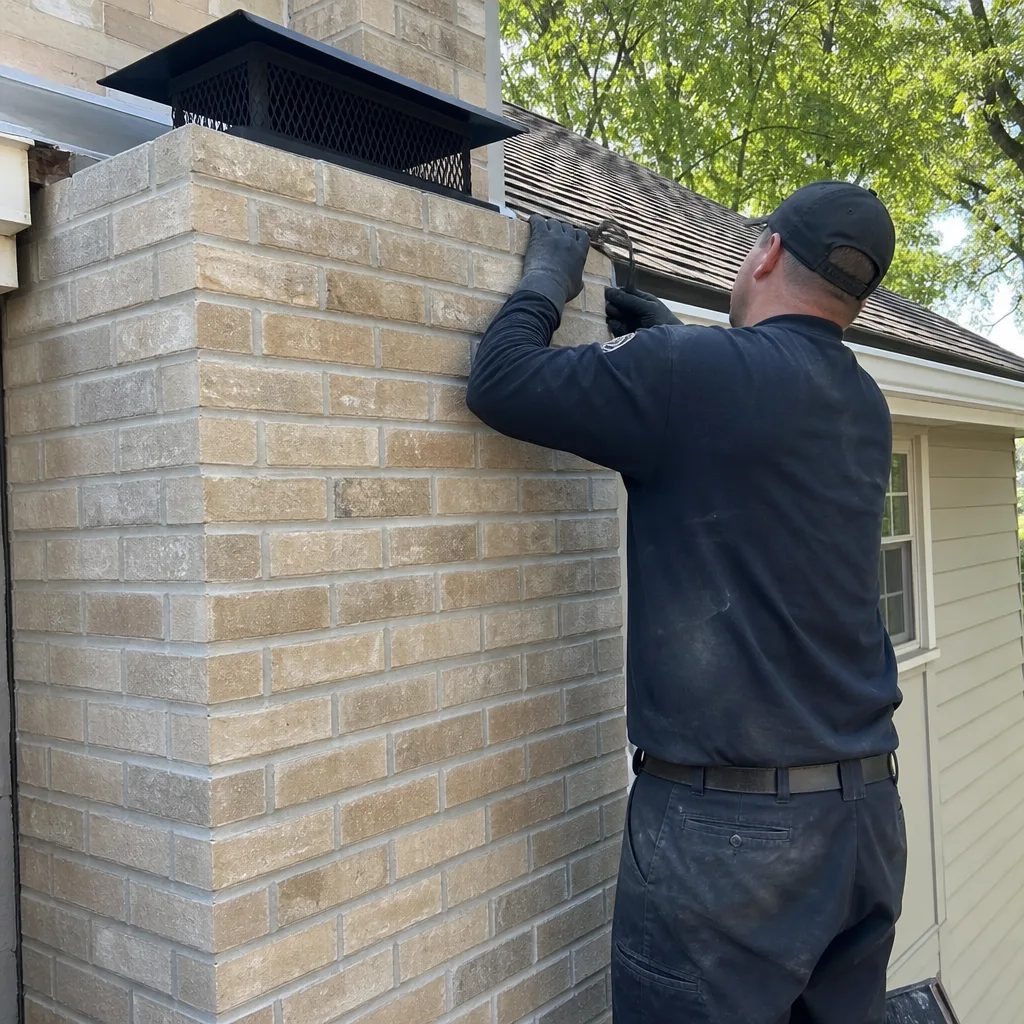
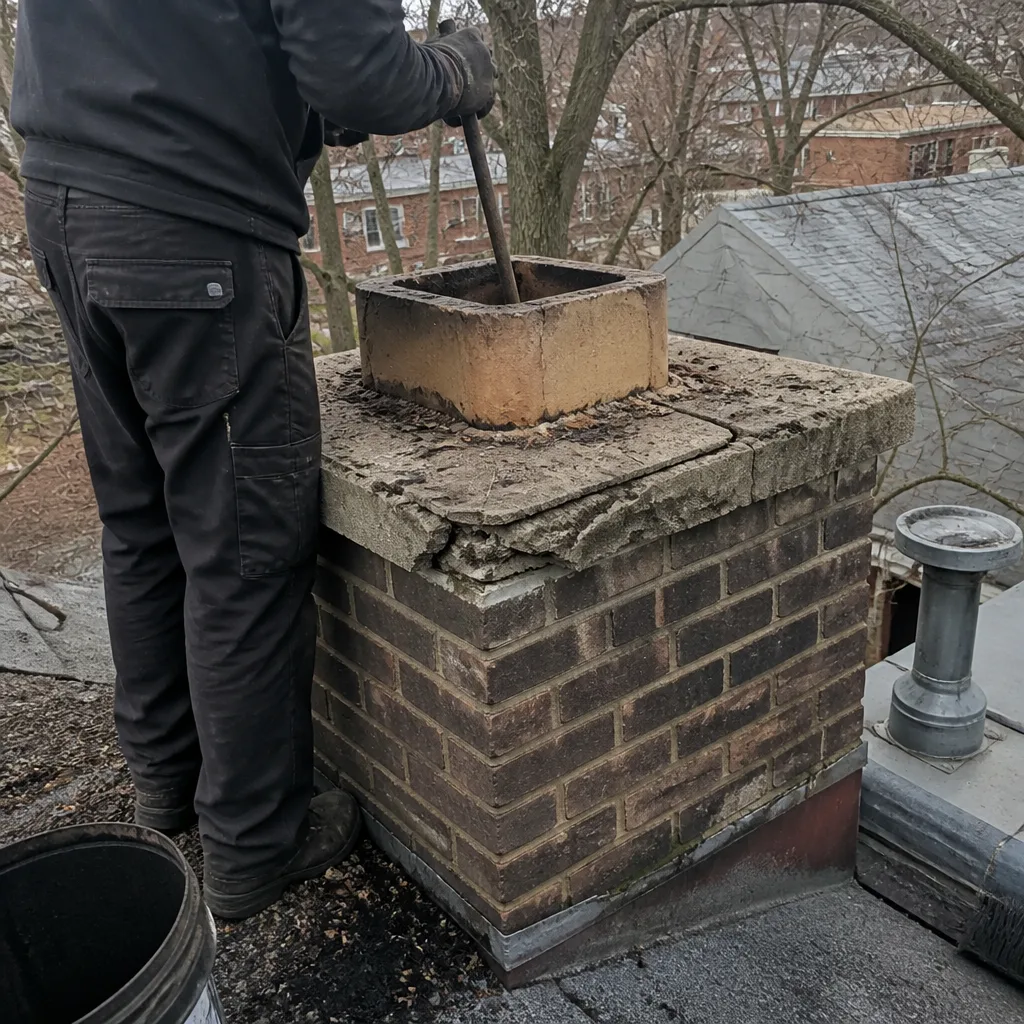
See the difference
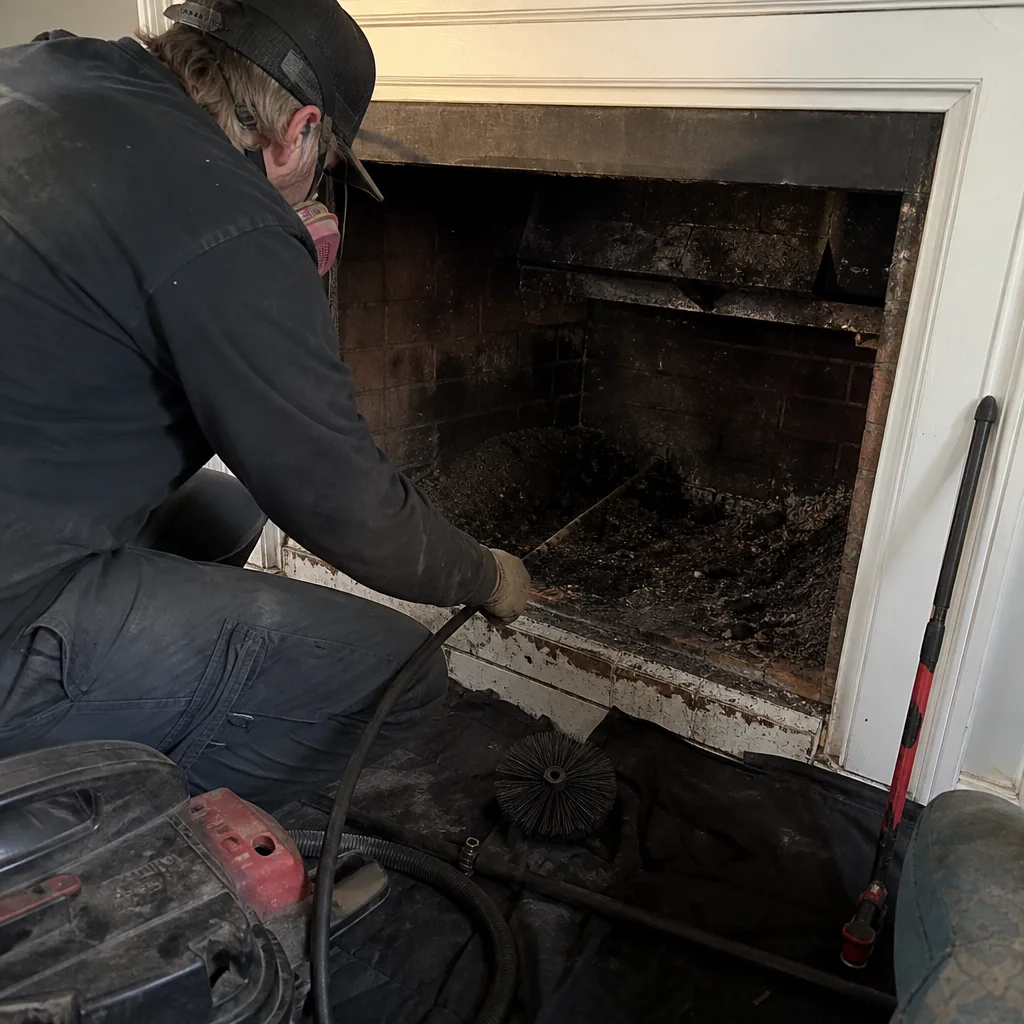 Before
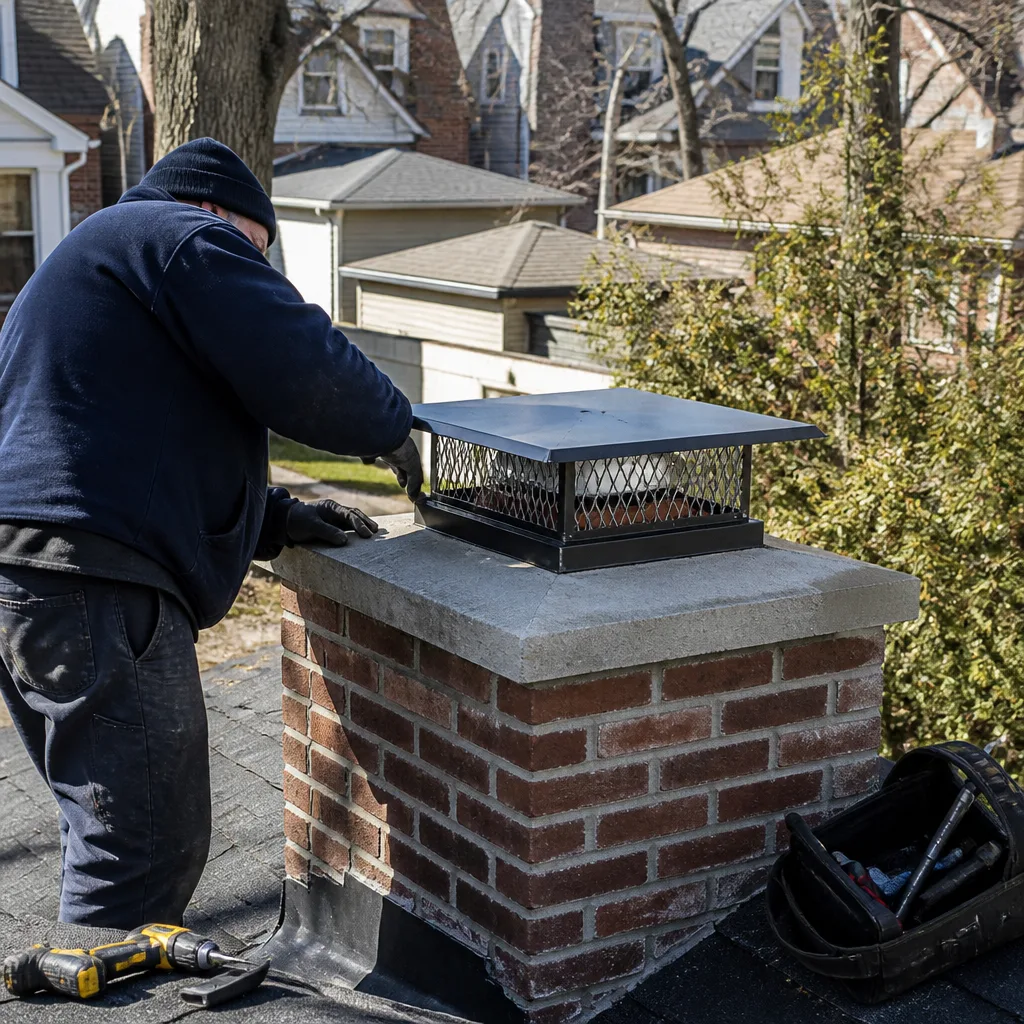 After
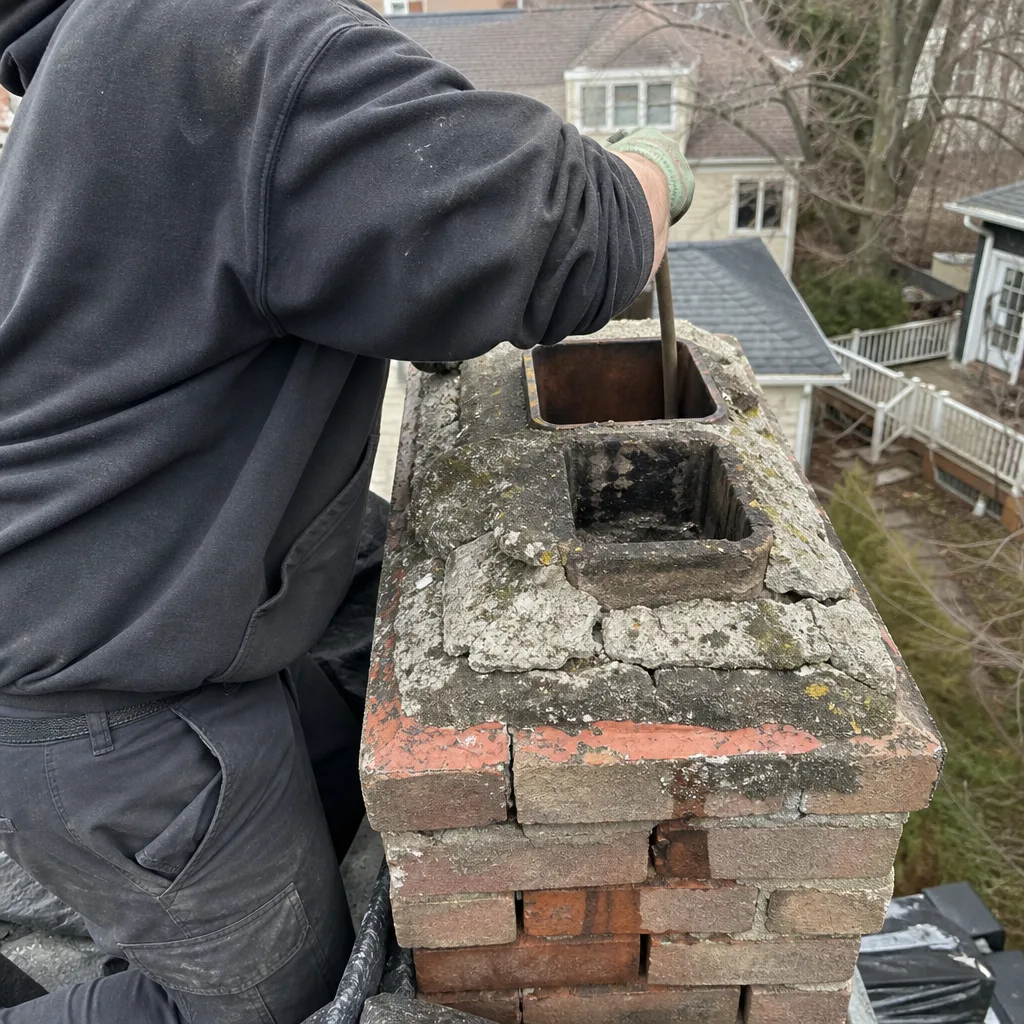 Before
 After
 Before
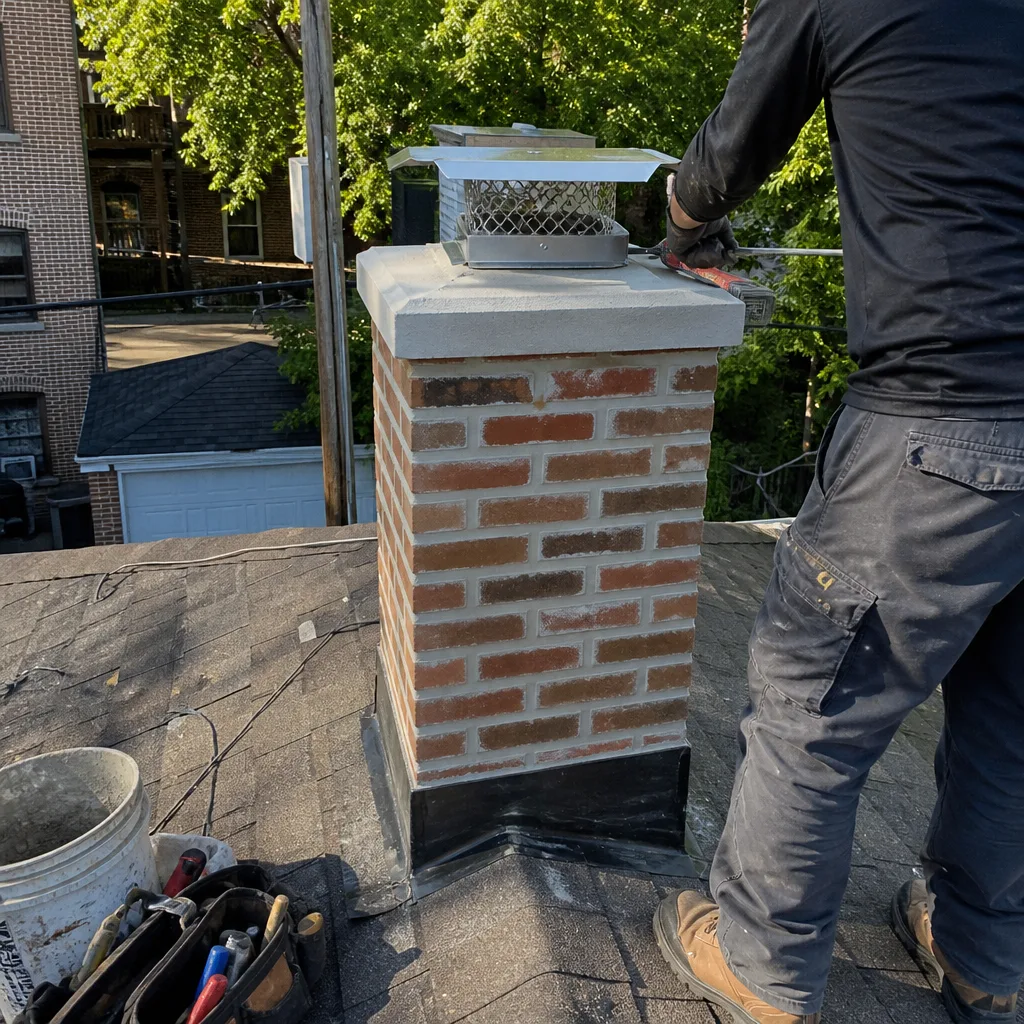 After
When to Call a Professional
Call when you see two or more of the warning signs in this guide in combination. A single warm-weather odor is worth a call. A warm-weather odor plus damper resistance is worth a call within the week. Interior staining plus a metallic smell during operation is an inspection-level priority, not a seasonal cleaning item. The same goes for any sign of exterior spalling on a Near North Side chimney that’s been through more than a few winters. And if you’re a multi-unit owner in an attached building, schedule the inspection before the first fire of the season, because shared chimneys don’t give private warning signs. Sandstone Chimney Sweep offers free estimates in Near North Side; call (833) 589-7835 to schedule a camera inspection and get a straight answer about what your chimney is actually telling you.
Frequently Asked Questions
A chimney should be swept at least once per burning season, and more often if you burn more than two cords of wood annually or notice odor, draft, or staining between cleanings. Near North Side’s attached housing and vintage masonry make annual inspection the minimum for catching water intrusion and shared-wall issues before they become structural repairs. See Choosing the Right Chimney Cleaning Brand: A Buyer’s Guide for Near North Side for help selecting qualified service.
A chimney fire often sounds like a low rumbling or roaring noise, similar to a train or a freight truck passing nearby, coming from the chimney itself. It can also produce visible flames from the top of the chimney and dense smoke. If you suspect a chimney fire, evacuate the home and call 911, then have the chimney inspected before any further use.
A camera inspection shows the flue liner’s interior condition, which no visual check from the firebox or roofline can reveal. Liner cracks, separation, and hidden creosote glazing are invisible without a camera. For most warning signs in this guide, the camera is what converts an observation into a specific diagnosis.
Some repairs can wait; liner failures and structural spalling should not. If you’re seeing a persistent metallic smell or interior staining near the flue chase, schedule an inspection before the next burn. Water intrusion issues typically worsen through the winter freeze-thaw cycle, so addressing crown or cap failure in fall prevents spring masonry damage.
Dryer vents accumulate lint that ignites at far lower temperatures than creosote, and vents share wall cavities and chases with chimneys in many Near North Side homes. A lint-clogged vent produces burning smells and fire risk that homeowners sometimes misattribute to the chimney. Cleaning both systems in the same visit eliminates the confusion and addresses two fire hazards at once.
Expect a camera inspection of the flue interior, a damper operation check, an exterior evaluation of the crown, cap, and masonry, and a written summary that distinguishes between cosmetic issues and active safety hazards. A professional inspection tells you what’s wrong, what can wait, and what needs attention before the next fire.
The Bottom Line
Chimney warning signs are diagnostic evidence, not nuisances. The smell on a warm day, the damper that fights you, the staining on the ceiling, the metallic note during a fire, each one points to a specific condition inside the flue or the masonry that’s doing the pointing. In Near North Side, where attached housing and vintage construction complicate the picture, interior observations carry extra weight because exterior signs are so often hidden. The correct response to any persistent warning sign is the same: an inspection that tells you what the sign means, a cleaning if that’s all it requires, and a repair if it requires more. You don’t need to interpret the evidence perfectly. You need to know when to stop interpreting and call someone who can. Sandstone Chimney Sweep handles that in one place: find it, fix it, with materials built to outlast the season.
Written by the team at Sandstone Chimney Sweep, serving Near North Side since 2017.