
Last updated October 30, 2026
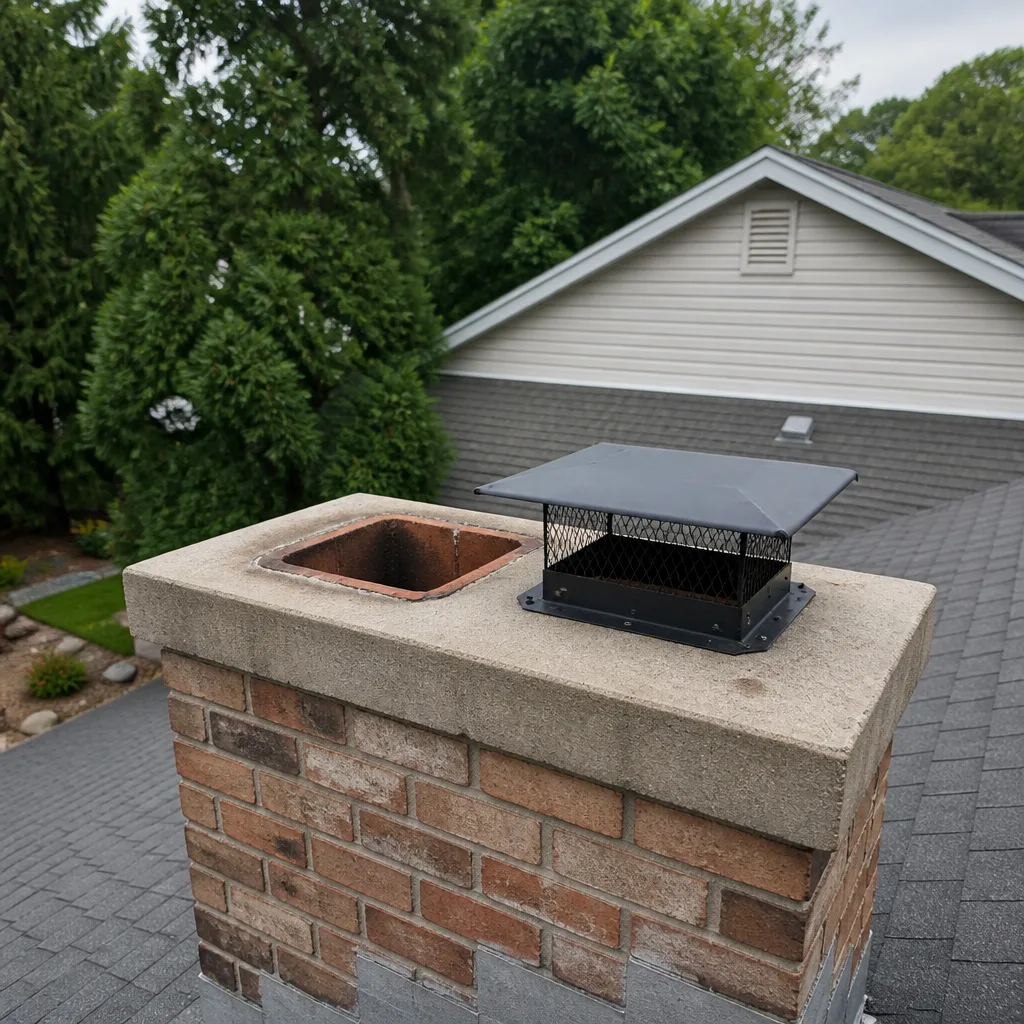 Sweep & inspection
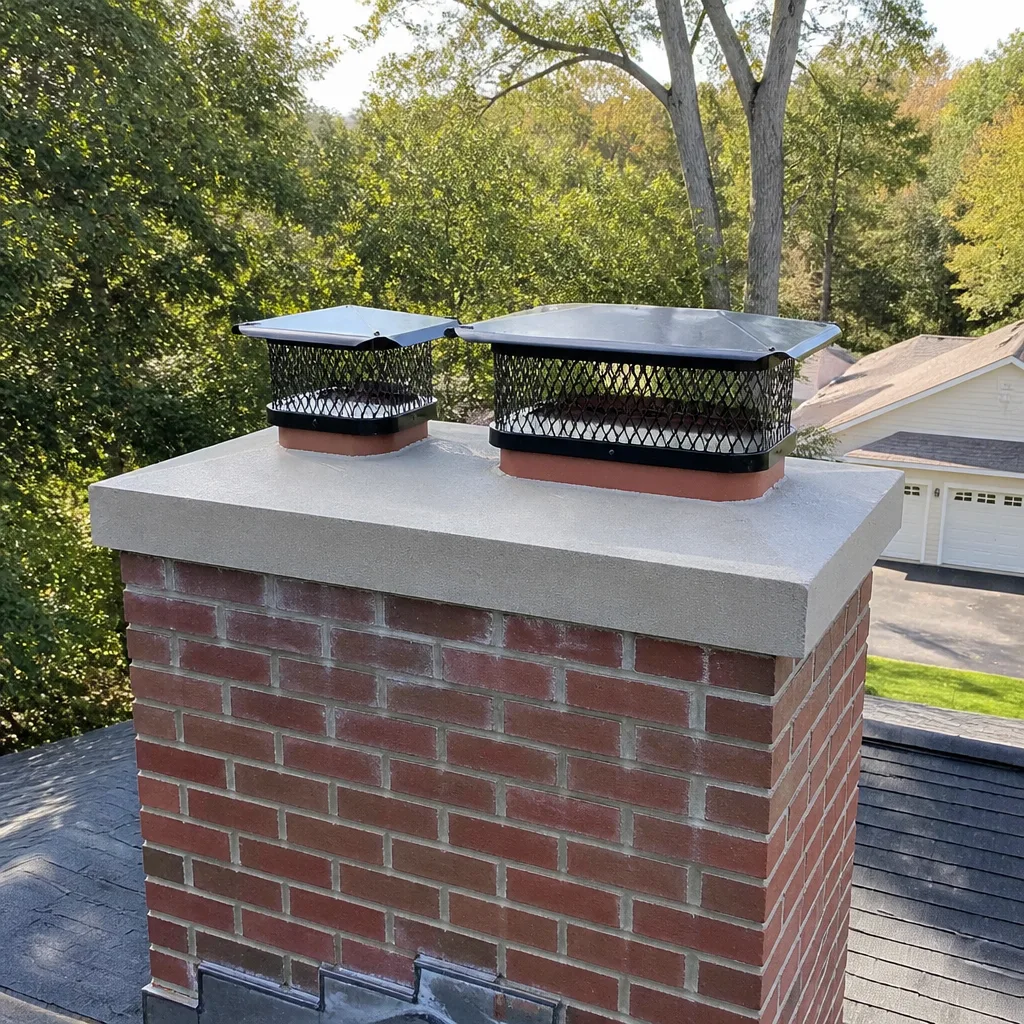 Caps & crowns
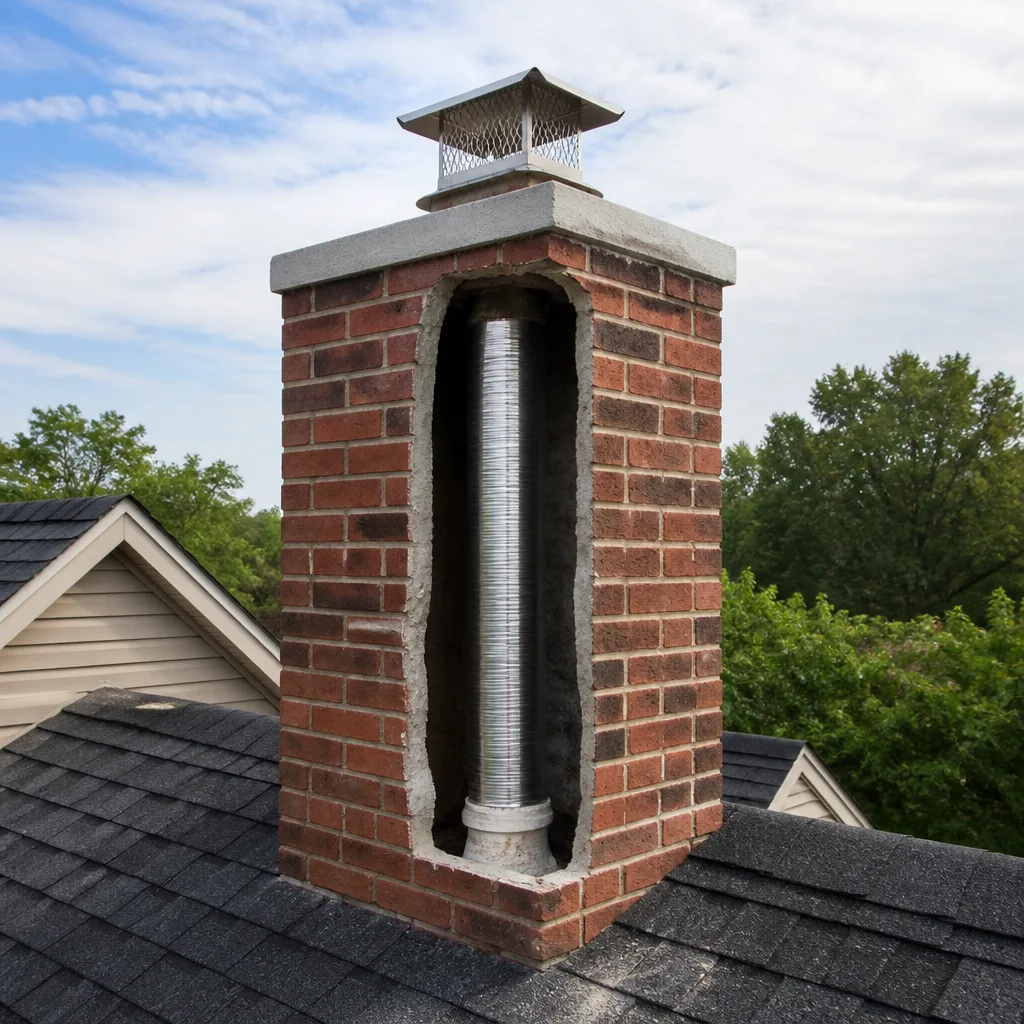 Flue relining
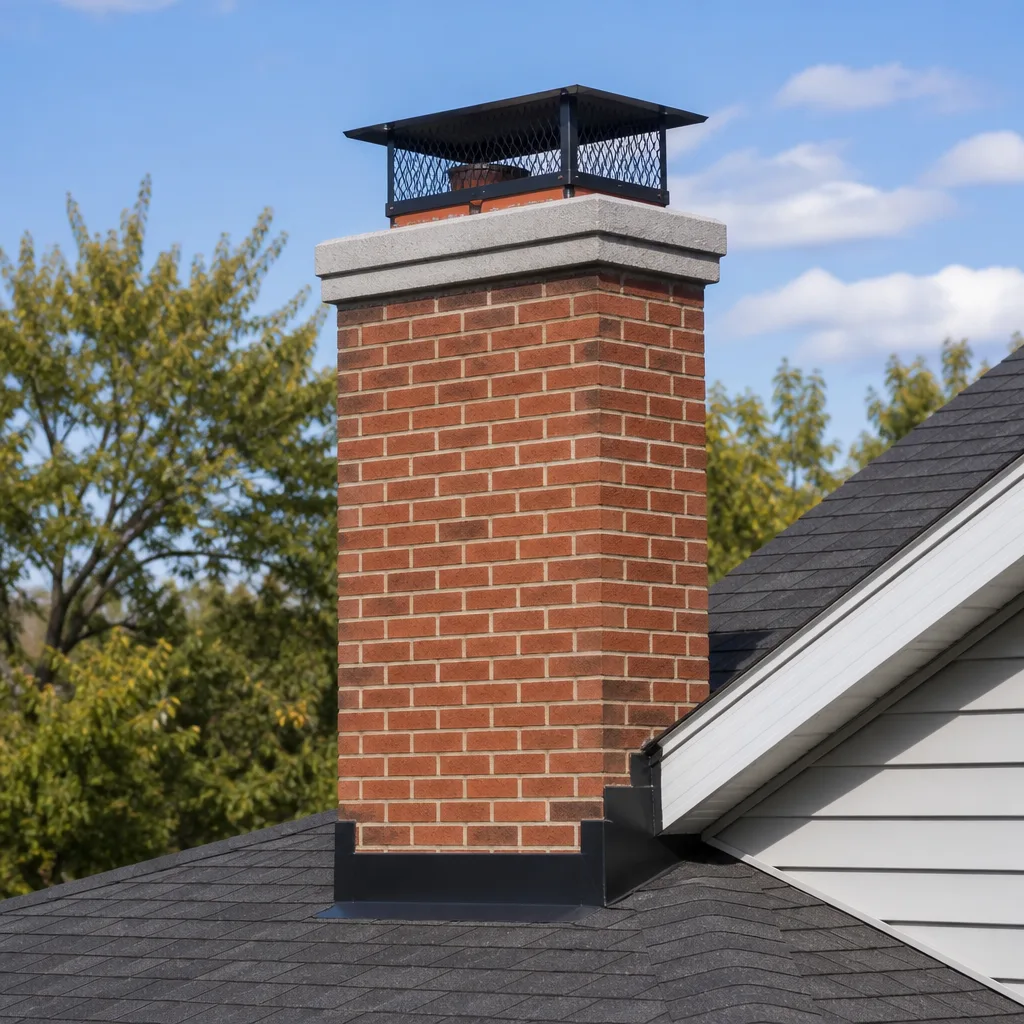 Masonry repair
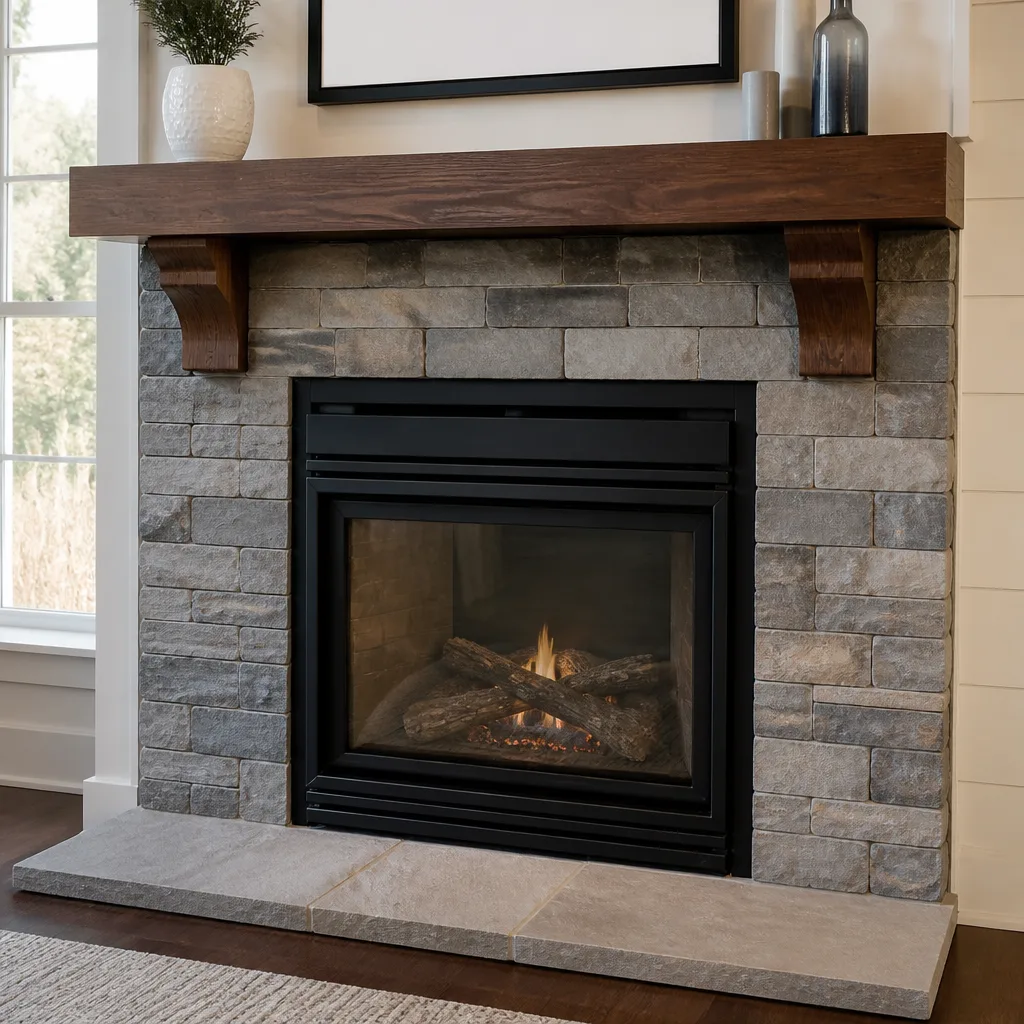 Gas fireplace service
Level 1 sweep and inspection to the NFPA 211 annual standard - flue, crown, cap, and flashing checked and photographed
Chimney sweep logs do not sweep chimneys. They loosen some creosote - which then falls where a brush and vacuum still have to collect it.
The Complete Guide to Chimney Cleaning in Near North Side
Most chimney fires don’t start because a homeowner skipped cleaning. They start because someone swept the flue and missed the real problem sitting right next to it: a cracked liner behind a shared wall, a voided mortar joint in a 1920s greystone, or a hidden flue offset buried inside a rowhouse partition. In Near North Side, where vintage masonry and dense housing stock create conditions that suburban chimneys never face, a brush-and-go cleaning can leave you with a false sense of security and a smoldering hazard you can’t see. This guide explains what chimney cleaning actually involves in this neighborhood, why it’s different here, and what a thorough inspection should uncover before anyone hands you an invoice. For seasonal chimney cleaning care for Near North Side year-round, see our dedicated homeowner’s guide.
Quick Answer
Chimney cleaning in Near North Side typically costs between $189 and $350 for a standard sweep with a Level 1 inspection, depending on flue condition, access difficulty, and whether the chimney serves a fireplace, wood stove, or furnace. Homes in the neighborhood’s older brick and greystone buildings often require a Level 2 inspection ($350 to $600) because years of deferred maintenance, shared flue walls, and vintage liner materials create risks that a simple sweep won’t address. For an exact quote based on your chimney’s condition, call (833) 589-7835.
Styles & brands we work with
Table of Contents
- Why Near North Side Chimneys Are Different
- How Often Should You Clean Your Chimney?
- Creosote Stages and Why They Matter for Cleaning
- Level 1, Level 2, and Level 3 Inspections Explained
- Shared Flue Walls in Rowhouses: What a Standard Sweep Misses
- What a Proper Post-Cleaning Report Should Document
- Chimney Cleaning Costs in Near North Side
- Common Mistakes to Avoid
- When to Call a Professional
- Frequently Asked Questions
Why Near North Side Chimneys Are Different
Chimney cleaning in Near North Side operates under conditions that don’t exist in the suburbs. The neighborhood’s housing stock includes some of the oldest masonry buildings in Chicago: greystones and brownstones built between 1880 and 1930, mid-century brick walk-ups, and converted industrial lofts with chimneys retrofitted decades after original construction. Each type presents its own flue geometry, and each ages differently.
Greystone and brownstone construction poses a specific challenge: the stone facades are beautiful, but the internal flue tiles were often laid with lime mortar that degrades faster than the Portland cement mixes used in later brick construction. We’ve opened cleanouts in Near North Side greystones and found flue tiles so spalled that the clay surface had crumbled into loose shards blocking the smoke shelf. A standard chimney cleaning removes soot from these surfaces, but the underlying material failure remains invisible until someone looks closely.
Flue sizing is another difference. Older homes were often built with flues sized for coal-burning fireplaces, which produced lower exhaust temperatures and larger draft requirements than modern gas or wood inserts. When a homeowner in the Gold Coast or Old Town converts a coal fireplace or installs a high-efficiency insert, the original 8×12 or 12×12 flue is frequently oversized for the new appliance. Oversized flues cool exhaust gases too quickly, which accelerates creosote formation and reduces draft. A proper chimney cleaning in Near North Side should include an assessment of whether the flue is matched to what’s actually burning in it, not just whether it’s dirty.
The neighborhood’s proximity to Lake Michigan adds another layer. Wind loading along the lakeshore drives pressure differentials that affect chimney draft, and the lake’s humidity patterns contribute to accelerated spalling in exposed masonry crowns. A chimney that performs fine in October may pull poorly in January when wind direction shifts. This means cleaning alone doesn’t solve performance problems. The flue has to be evaluated as part of the building’s entire pressure system: firebox, throat, smoke chamber, liner, crown, and cap.
How Often Should You Clean Your Chimney?
The National Fire Protection Association standard (NFPA 211) says chimneys should be inspected annually and cleaned when accumulations reach 1/8 inch of soot or any amount of glazed creosote. In practice, for Near North Side homeowners who use their fireplaces regularly during Chicago’s six-month heating season, a cleaning is warranted every year. But the frequency changes based on what you burn and how you use the fireplace.
Here’s what we’ve observed across Near North Side homes:
- Wood-burning fireplaces used 3+ nights per week: Clean every year. The creosote accumulates quickly, especially with Chicago’s colder drafts pulling more air through the flue.
- Wood-burning fireplaces used occasionally (holidays and weekends): Clean every 1 to 2 years, but inspect annually. Occasional use with short, hot fires can actually produce more creosote per burn than long steady fires because the flue never reaches full operating temperature.
- Gas log sets and gas fireplaces: Inspect annually, clean every 2 to 3 years. Gas produces no creosote, but it does leave mineral deposits, dust, and occasionally bird nesting material. Gas logs also silently deteriorate the firebox refractory panels, which should be checked during any visit.
- Wood stoves and fireplace inserts: Clean every year before burning season. Stoves run hotter and longer than open fireplaces, but their internal baffles and connectors collect fine fly ash that restricts draft. A chimney cleaning that only sweeps the flue and skips the stove connector misses the restricted airflow point.
- Furnace or boiler flues (Category I appliances): Inspect annually. These flues collect sulfur-based deposits that corrode mortar and liner surfaces even when no creosote is present. The corrosion risk increases in older Near North Side buildings where flues have been in service for 40+ years.
If you’ve just purchased a rowhouse or condo in Near North Side and have no documentation of when the chimney was last serviced, assume the worst. A Chimney Sweep in Near North Side should inspect before the first fire of the season, not after you’ve already lit one.
Creosote Stages and Why They Matter for Cleaning
Creosote is the reason chimneys need cleaning, but not all creosote is the same. It forms in stages, and each stage requires a different cleaning approach. A homeowner who doesn’t understand the difference can easily pay for a cleaning that fails to address the actual condition of the flue.
First-degree creosote is the powdery, sooty film that coats flue tiles after a season of burning. It’s relatively easy to remove with a standard wire brush, and it’s the type of buildup most people picture when they think of chimney cleaning. In a properly sized flue with good draft, first-degree creosote is what accumulates during normal use. It’s flammable, but it’s not the cause of most serious chimney fires.
Second-degree creosote takes the form of crunchy, flaky deposits that build up in layers. It forms when flue temperatures cycle between hot and cold, causing first-degree creosote to bake into denser formations. A standard wire brush can remove some of it, but the flakes often leave a stubborn residue that needs mechanical agitation with stiffer brushes or rotary equipment. Second-degree creosote is common in Near North Side chimneys that serve fireplaces used sporadically through Chicago’s variable fall and spring weather.
Third-degree (glazed) creosote is the dangerous one. It’s the hard, shiny, tar-like coating that forms when creosote is repeatedly heated and cooled without being removed. It looks like black glass and it’s extremely concentrated fuel. Chimney fires involving third-degree creosote burn hot enough to crack flue tiles and damage surrounding masonry. Glazed creosote cannot be removed with a wire brush. It requires chemical treatments, specialized rotary cleaning heads with carbide-tipped chains, and sometimes multiple visits over several weeks to fully break down the deposits. Any chimney cleaning in Near North Side that encounters third-degree creosote should trigger a Level 2 inspection afterward, because the heat required to form that creosote has likely already damaged the flue.
Here’s the key distinction: if a sweep quotes you a flat rate over the phone and shows up with only a wire brush, they can clean first-degree creosote. They cannot clean third-degree glazed creosote. The flue has to be inspected before the cleaning method is chosen. That’s why we treat every chimney sweep in Near North Side as a diagnostic visit, not a routine vacuum job.
Level 1, Level 2, and Level 3 Inspections Explained
The Chimney Safety Institute of America (CSIA) defines three levels of chimney inspection. Understanding these levels matters because it determines whether your chimney cleaning includes a meaningful look at the flue or just a cursory glance.
Level 1 Inspection
A Level 1 inspection is the baseline for an annual chimney cleaning when the system has been used consistently and nothing is changing. It covers the readily accessible portions of the chimney: the firebox, damper, smoke chamber, flue interior (as seen from above and below), and exterior chimney structure visible from the roof or ground. The sweep looks for obvious obstructions, creosote accumulations, and signs of damage. Most annual cleanings in Near North Side include a Level 1 inspection as part of the package, but the depth of the inspection depends entirely on who’s doing it. A thorough Level 1 should take 45 to 90 minutes including the cleaning. If a company is in and out in 20 minutes, they’ve cleaned, but they haven’t inspected.
Level 2 Inspection
A Level 2 inspection includes everything in Level 1 plus access to additional areas: attics, crawl spaces, and basements, and a video scan of the flue interior. A Level 2 is required when the chimney system is changing in some way: a home sale or transfer, a change in fuel type or appliance, an operating malfunction, weather damage, or after a building fire. For Near North Side homeowners buying an older greystone or brownstone, a Level 2 inspection is rarely optional. It’s the only way to see the interior of a flue that’s been hidden inside masonry walls for 80 or 100 years. In our experience, at least half of the Level 2 inspections we perform in this neighborhood would not require one from the property owner’s perspective. They require it from the perspective of what’s hiding in the flue.
Level 3 Inspection
A Level 3 inspection is the most invasive. It requires removing portions of the chimney or building structure to access concealed areas of the chimney system. A Level 3 is indicated when a Level 2 inspection reveals serious damage that can’t be fully evaluated without opening the structure, or when a chimney fire or building fire makes concealed damage likely. In Near North Side rowhouses, Level 3 work sometimes means opening a portion of a shared wall to inspect the flue behind it, which is not a routine event. Most homeowners will never need a Level 3, but when serious concealed damage is suspected, it’s the only way to know for certain.
After years of deferred maintenance, many Near North Side homes require a Level 2 inspection at minimum. The decision about which level to perform should be based on the chimney’s history and current condition, not on what’s cheapest. Any chimney repair in Near North Side that follows an inspection should be grounded in what the camera saw, not what a salesperson believes needs fixing.
Shared Flue Walls in Rowhouses: What a Standard Sweep Misses
Rowhouse living in Near North Side creates a chimney condition that suburban homes rarely have: shared or adjacent flue walls. In many of the neighborhood’s attached housing stock, two or more chimneys run side by side inside a common masonry party wall. The flues are separated from each other, and from the living spaces on either side, by brick wythes that are often only 4 inches thick.
Here’s what that means in practical terms:
- Damage migrates across flues. If one flue develops a crack or deteriorated mortar joint, heat and gases can enter the interstitial space and affect the adjacent flue. A standard chimney cleaning that only looks at the inside of your flue won’t see what’s happening 4 inches to the left.
- Moisture has multiple entry points. Shared chimney structures concentrate water runoff, and if the crowns or wash areas aren’t properly sealed, water enters not just one flue but the entire chimney mass. Water-damaged mortar in the party wall weakens the separation between flues and living spaces.
- Pointing and repointing must match existing mortar. Near North Side’s vintage brickwork used soft lime mortars. Repointing with hard Portland cement mortar damages the brick: the newer mortar is stronger than the historic brick and causes spalling, cracking, and accelerated deterioration. This is a materials issue, not just a workmanship issue. Padding a repair with the wrong mortar type creates a future problem while solving nothing.
- Access is complicated. In many rowhouse configurations, the only access to the chimney is from the rooftop, which may require going through a scuttle or hatch. Ground-floor cleanouts are often blocked, hidden behind finished walls, or long ago mortared shut. A chimney cleaning in Near North Side has to account for what’s actually accessible, not what the textbook says should be accessible.
This is why we tell homeowners in this neighborhood that a chimney cleaning is incomplete without an assessment of the shared-wall condition. Your flue is a system, not just a pipe. In a rowhouse, it’s a system that shares structure with your neighbors, and the failure points are rarely visible from the firebox.
What a Proper Post-Cleaning Report Should Document
A professional chimney cleaning should produce documentation, not just a receipt. The post-cleaning report is your baseline for future sweeps, and it’s also your evidence if a problem develops later. Here’s what a meaningful report should include:
- Creosote type and location: What stage of creosote was found, how much, and where in the flue. This matters because third-degree creosote should trigger follow-up inspection even after cleaning.
- Flue dimensions and material: Inside dimensions of the flue, the liner material (clay tile, stainless, cast-in-place), and the condition of each section from the video scan if a Level 2 inspection was performed. This is your baseline for future changes.
- Visible defects with photo documentation: Cracked tiles, spalled brick, open mortar joints, water staining, rusted dampers, missing mortar crowns. If it was seen, it should be photographed and logged with a location reference.
- Access notes: Which cleanout doors were accessible, what was blocked, and what portion of the system could not be visually inspected. A report that claims to have inspected everything without noting access limitations is not a real report.
- Recommendations with priority levels: Not just a list of problems, but what needs attention now, what should be monitored, and what can safely wait. A good sweep tells you when work is not urgent. That’s the honest measure of someone who lacks a sales quota.
- Product applications: If any treatments were applied, such as creosote modifiers or anti-corrosion sprays, note the product and the coverage area. This establishes what was actually done, not just what was quoted.
When we perform a chimney cleaning in Near North Side, every customer receives a written report with photo documentation. We use the same documentation standard whether the cleaning is for a single-family home in Old Town or a walk-up in the Gold Coast. The point is accountability: we find it, we fix it, and the report shows what we found.
Chimney Cleaning Costs in Near North Side
Chimney cleaning costs in Near North Side vary based on flue condition, access, and what the inspection finds. Here’s what the market looks like as of 2026:
| Service | Typical Price Range in Near North Side |
|---|---|
| Standard chimney sweep with Level 1 inspection | $189 – $299 |
| Chimney sweep with Level 2 inspection (video scan) | $350 – $550 |
| Third-degree creosote removal (chemical + rotary, per treatment) | $175 – $350 per treatment |
| Dryer vent cleaning (add-on to chimney visit) | $89 – $149 |
| Rooftop access surcharge (scuttle, steep pitch, or walk-up roof) | $50 – $125 |
| Smoke chamber parging after cleaning | $400 – $800 |
| Chimney cap replacement (stainless steel) | $250 – $450 installed |
These ranges reflect what we’ve seen across Near North Side’s service market. What drives the price isn’t the time spent sweeping, it’s what the inspection reveals. A homeowner in a vintage greystone who hasn’t had the chimney touched in 10 years should expect to pay at the upper end, because the flue likely needs more than a brush. A homeowner in a newer construction with a clean flue and good access should expect the lower end.
Some companies in the Chicago area quote a very low flat rate and then upsell aggressively once they’re on the roof. The old bait-and-switch is alive in this industry. We don’t do that. Our pricing is based on the inspection finding, reviewed with you before any work is authorized. When a dryer vent cleaning in Near North Side is added to a chimney sweep, we bundle the labor because the equipment is already set up. Two fire hazards, one visit.
Common Mistakes to Avoid
- Skipping the inspection and only paying for the sweep. A chimney cleaning without an inspection is like changing your car’s oil without checking the tires. The most important part of the visit is what gets found, not what gets removed.
- Burning soft woods or unseasoned wood and expecting a clean flue. Wet or resinous wood produces far more creosote than properly seasoned hardwoods. In Chicago, wood that’s been sitting uncovered in a damp garage or backyard will produce a heavily creosoted flue within a single season.
- Ignoring a damper that doesn’t fully open or close. This affects draft, which affects how hot the flue gets, which affects how much creosote forms. A damper that’s rusted or misaligned is not a minor annoyance; it changes the operating conditions of the entire system.
- Having a rowhouse chimney cleaned without checking the shared wall condition. Your flue may be clean, but if the neighbor’s flue is cracked and the party wall is compromised, the danger hasn’t been addressed. Near North Side rowhouse owners need more than a flue brush.
- Allowing a sweep to use chemical cleaners on a chimney they haven’t inspected. Chemical creosote treatments can be effective for third-degree deposits, but they should never be applied blindly. The product choice depends on the creosote type and the liner material. Applying the wrong chemical to a stainless liner, for example, can cause corrosion.
- Deferring a recommended Level 2 inspection and selling the home later. When a home changes hands, a Level 2 inspection becomes the standard. Discovering cracked tiles or deteriorated mortar at the point of sale puts the seller at a disadvantage. It’s cheaper and less stressful to know before listing.
When to Call a Professional
Call a professional if you notice any of these conditions: smoke entering the room instead of going up the chimney, a strong odor even when the fireplace isn’t in use, visible black staining on walls or ceilings near the chimney, chunks of brick or tile falling into the firebox, or water stains in the attic near the chimney structure. These are symptoms of a functional problem, not just a dirty flue.
If you’ve just moved into an older building in Near North Side and have no chimney maintenance records, schedule an inspection before the first cold snap. Not sure how to choose? Our step-by-step guide on hiring a chimney cleaning contractor in Near North Side walks you through what to ask. The same applies if you’re planning to convert from wood to gas, install an insert, or change the appliance on an existing flue. Sandstone Chimney Sweep offers free estimates in Near North Side, call (833) 589-7835 to schedule.
Frequently Asked Questions
A standard chimney sweep with a Level 1 inspection in Near North Side costs between $189 and $299, while a sweep with a Level 2 video scan runs $350 to $550 depending on access and flue condition. Call (833) 589-7835 for an exact quote based on your chimney’s configuration and history.
A chimney in Near North Side that’s used regularly during the heating season should be cleaned every year, and any chimney should be inspected annually regardless of use. Homes with occasional fireplace use can sometimes extend cleaning to every other year, but the inspection should still happen annually to catch deteriorating mortar, cracked tiles, or water intrusion before they worsen.
You need a new liner if the existing one is cracked, spalled, or sized incorrectly for the appliance, and a video inspection should show you exactly what the problem is before any recommendation is made. If a contractor recommends a liner replacement without showing you camera footage of the damage, get a second opinion. Nothing is recommended without evidence you can see for yourself.
Skipping chimney cleaning leads to creosote accumulation, which can ignite as a chimney fire that reaches temperatures above 2,000°F, hot enough to crack the flue liner and transfer heat to surrounding wood framing. You also lose the annual inspection, which means deteriorating mortar, water damage, and hidden cracks go undetected until they become expensive structural problems.
Yes, a chimney sweep that offers dryer vent cleaning can do both in a single visit, addressing the two most common household fire hazards related to venting. Sandstone Chimney Sweep performs dryer vent cleaning alongside chimney service in Near North Side, saving the cost of a separate service call. Call (833) 589-7835 to schedule both.
A Level 1 inspection covers the readily accessible portions of the chimney and is standard for annual maintenance, while a Level 2 includes everything in Level 1 plus video scanning of the flue interior and access to attics, crawl spaces, and basements. Level 2 inspections are required for home sales, appliance changes, and any suspected malfunction, and they’re strongly advised for older Near North Side homes with no maintenance history.
The Bottom Line
Chimney cleaning in Near North Side is not a commodity service. The neighborhood’s vintage greystones, rowhouse configurations, and decades-old flues demand a diagnostic approach that goes far beyond running a brush up a pipe. A proper chimney cleaning identifies what’s actually in the flue, assesses the structural condition of the entire system, and documents findings so you have a baseline for future maintenance. If you’ve been treating chimney care as a quick annual chore, it’s time to reconsider. Call (833) 589-7835 for a free estimate and find out what’s actually in your flue. Explore more guides & resources on chimney care and home safety.
Written by the team at Sandstone Chimney Sweep, serving Near North Side since 2017.
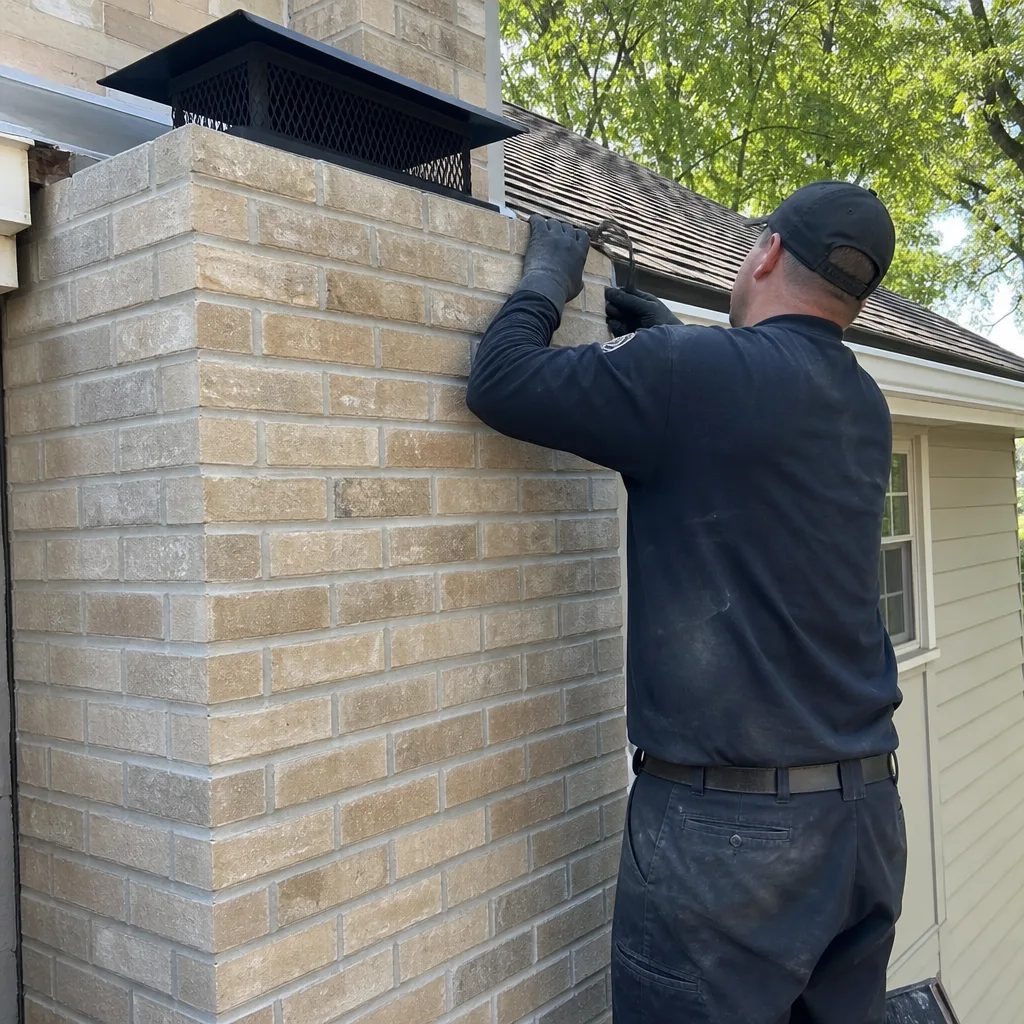
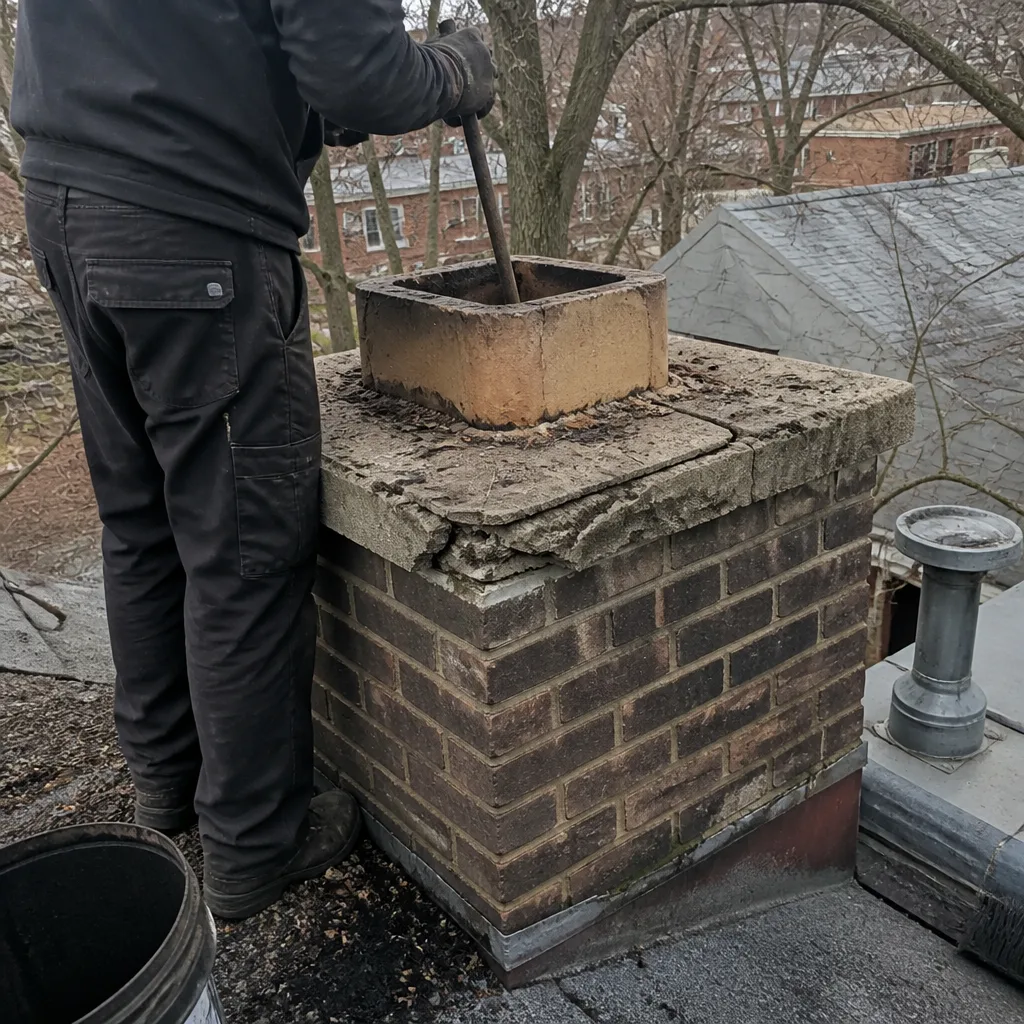
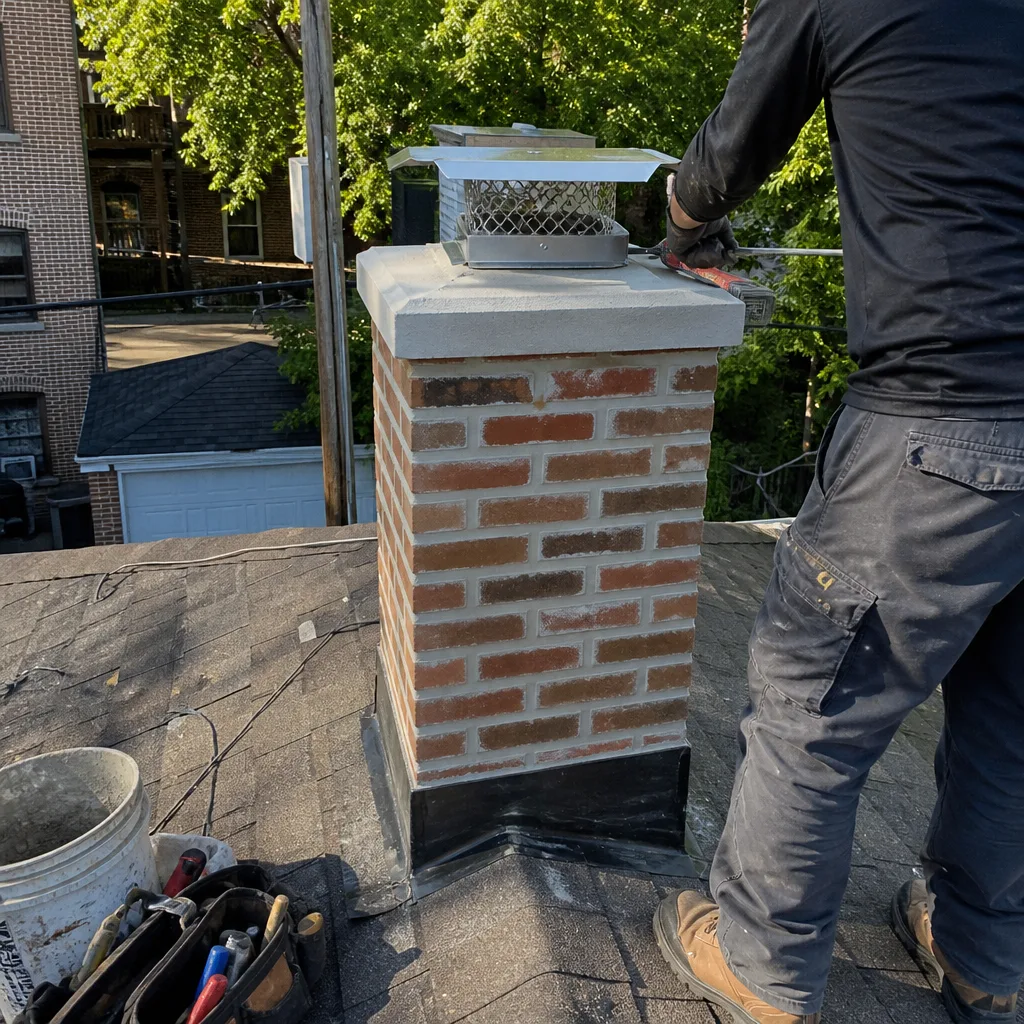
See the difference
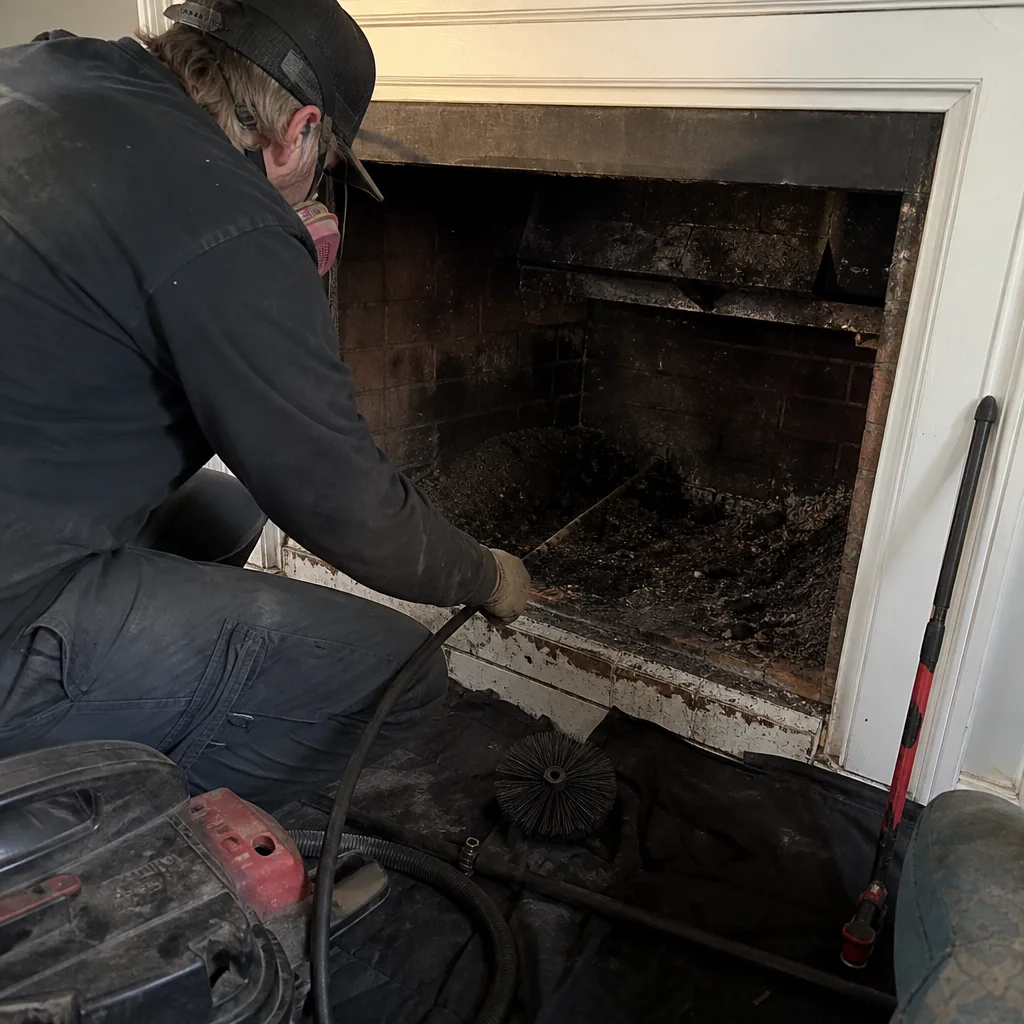 Before
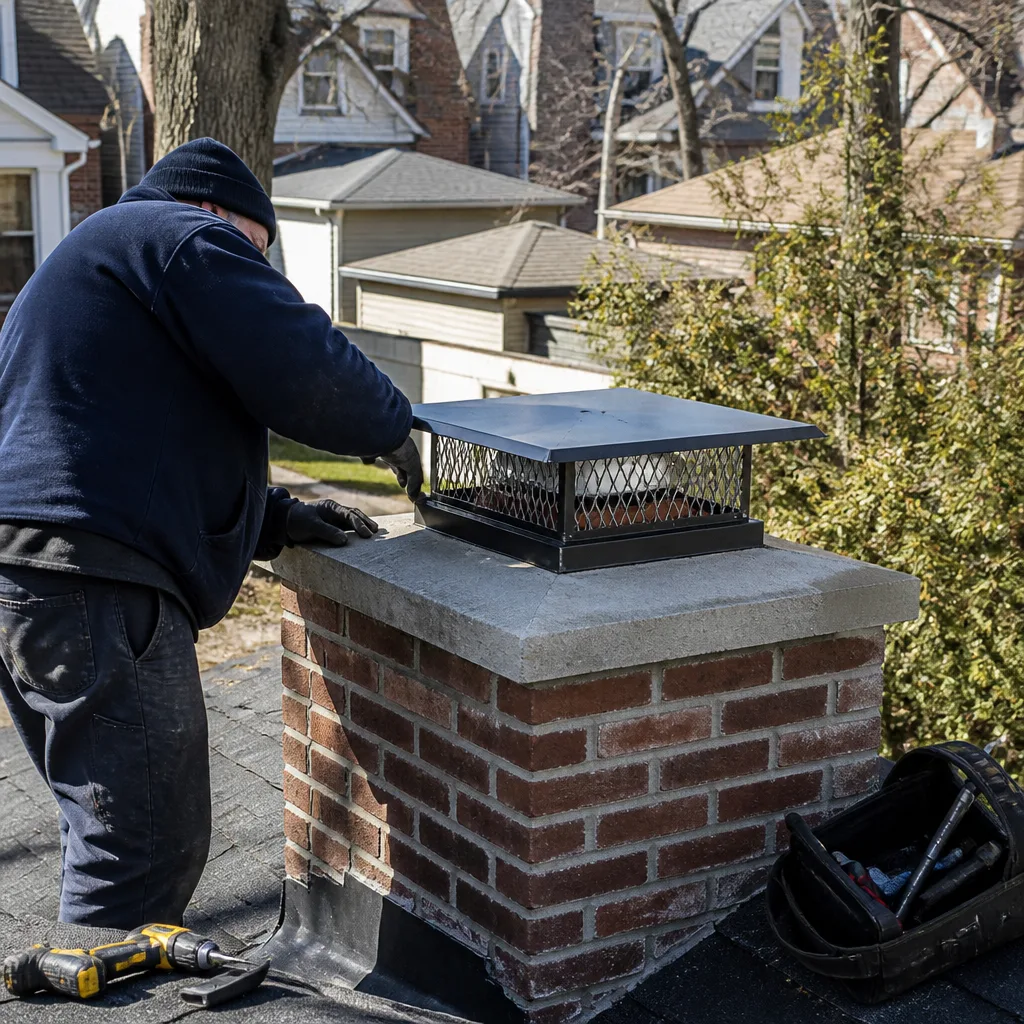 After
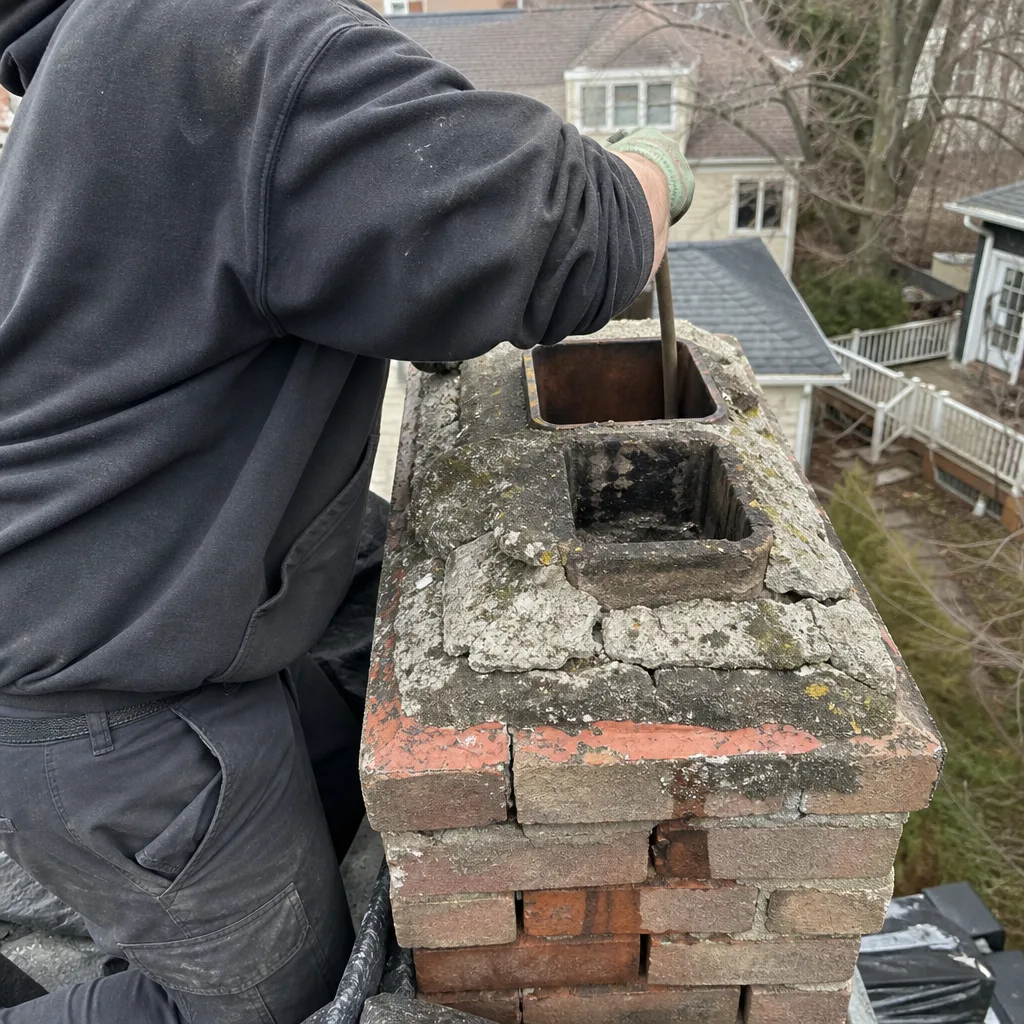 Before
 After
 Before
 After