Last updated October 30, 2026
 Sweep & inspection
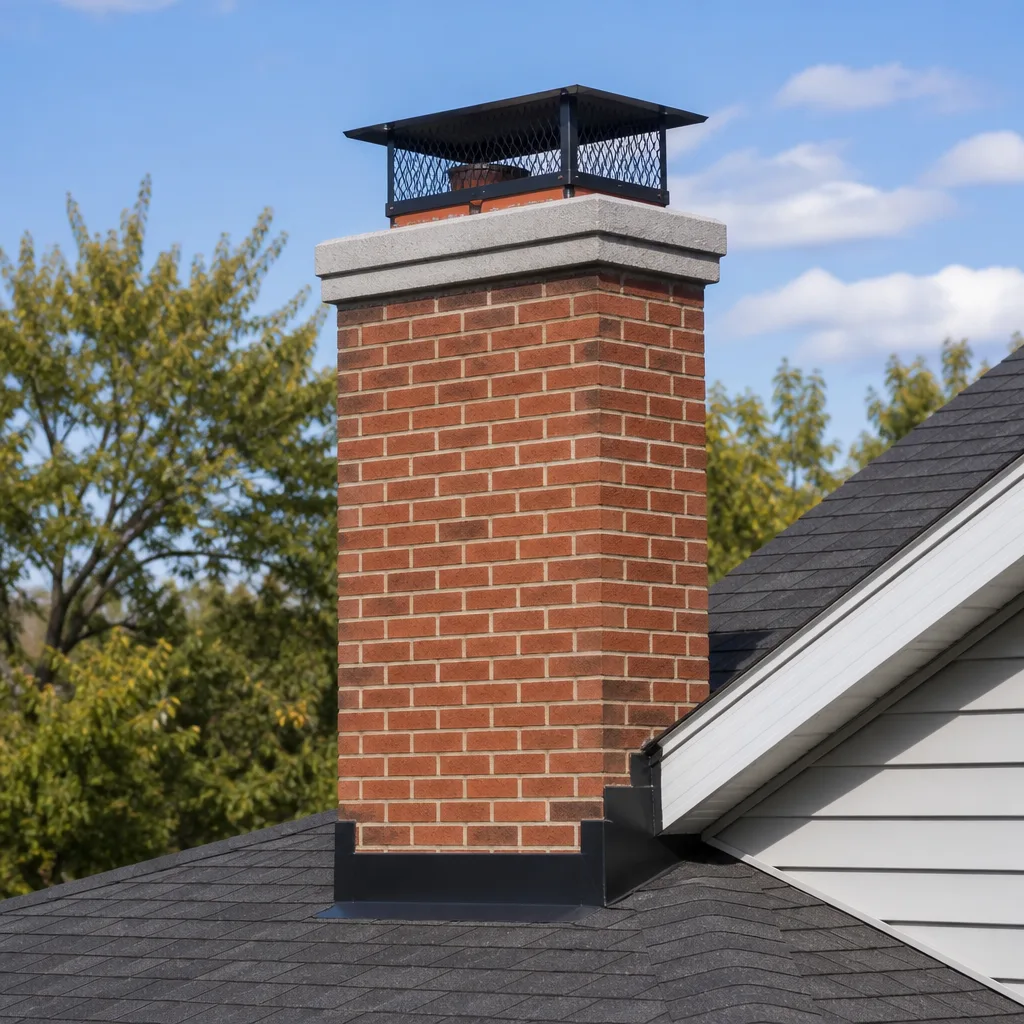
 Caps & crowns
 Flue relining
 Masonry repair
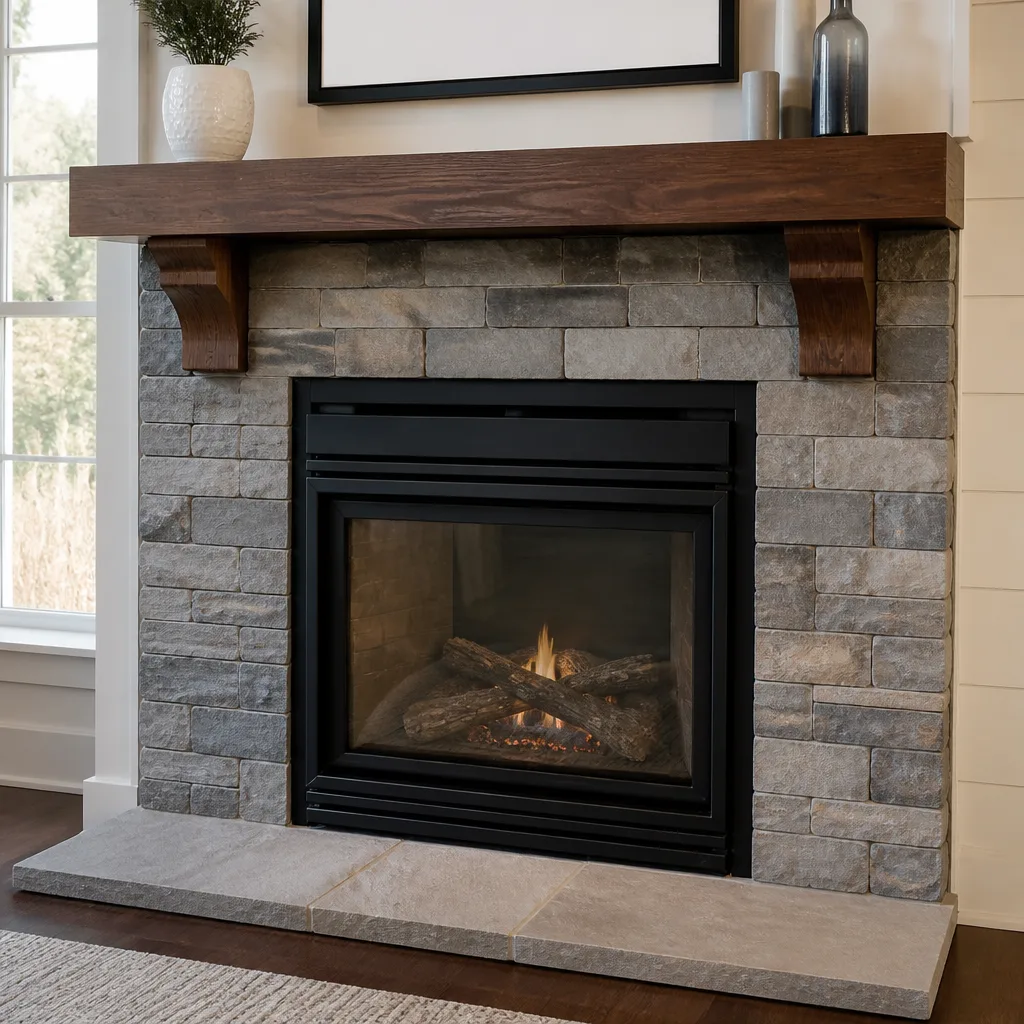 Gas fireplace service
Level 1 sweep and inspection to the NFPA 211 annual standard - flue, crown, cap, and flashing checked and photographed
Chimney sweep logs do not sweep chimneys. They loosen some creosote - which then falls where a brush and vacuum still have to collect it.
Choosing the Right Chimney Cleaning Brand: A Buyer’s Guide for Near North Side
Two sweeps can install a stainless liner in the same flue using materials from opposite ends of the quality spectrum, and the only way you’ll know which one you got is when one fails in year four and the other is still performing in year twelve. Near North Side homeowners face this exact scenario every heating season, usually without realizing the decision was made for them the moment the crew arrived with whatever was on the truck. This guide pulls back the curtain on chimney materials, brands, and specification standards so you can ask the right questions before you book, or explore more guides & resources for Near North Side homeowners. By the end, you’ll know what separates a liner built for Chicago winters from a liner built to clear a warehouse shelf.
Styles & brands we work with
Quick Answer
The right chimney cleaning brand for a Near North Side home is one that uses specification-grade materials from named manufacturers like DuraFlex, HeatShield, Famco, or Copperfield, not generic supply-house substitutes. A quality sweep should be able to tell you exactly which liner system, refractory cement, chimney cap, and sealant they stock, and why each one is matched to your flue. If a contractor can’t name their brands, they’re likely buying on price, and your chimney absorbs the difference over time.
Table of Contents
- The Materials Question Most Homeowners Never Ask
- The Four Product Categories That Define Chimney Service Quality
- Liner Systems: The Backbone of Chimney Performance
- Refractory Cements and Resurfacing Products: What’s Actually in the Mix
- Chimney Caps in a Freeze-Thaw Climate: Stainless vs. Galvanized
- Waterproof Sealants: The Difference Between Repelling and Trapping Moisture
- Questions to Ask Before You Book: A Step-by-Step Script
- How Material Quality and Warranty Legitimacy Are Linked
- Common Mistakes to Avoid
- When to Call a Professional
- Frequently Asked Questions
- The Bottom Line
The Materials Question Most Homeowners Never Ask
When Near North Side homeowners book a chimney sweep, the conversation usually covers scheduling, price, and maybe whether the technician wears shoe covers, as we explored in our DIY vs Professional Chimney Cleaning: The Near North Side Homeowner’s Decision Guide. Almost nobody asks what brand of liner or sealant the company intends to use. That’s a problem because the chimney service industry carries a quiet split: companies that buy specification-grade products from professional distributors, and companies that buy whatever equivalent is cheapest at the supply house that week. Both will tell you they’re installing a stainless liner. Only one of them is installing a liner engineered for a specific flue size, fuel type, and temperature rating.
We see the downstream effects of this split on a regular basis. A homeowner in the Gold Coast calls because their chimney is leaking again, three years after a liner replacement. We get up there and find an off-brand liner with a seam that’s starting to distort, or a cap that’s already rusted through at the fasteners. The homeowner paid for a chimney repair. What they actually got was a material substitution that couldn’t survive Near North Side’s specific climate demands.
Your flue is a system, not just a pipe. Everything attached to it, from the liner to the cap to the crown sealant to the mortar joints, experiences the same freeze-thaw cycles, the same acidic condensate, the same temperature swings from a cold January morning to a hot July afternoon. When one component fails early, it rarely fails alone. It pulls on everything else.
This guide exists because homeowners deserve to know what’s being installed in their chimney, and because the brand names on a contractor’s truck don’t tell you anything about the brand names on their shelf. Sandstone Chimney Sweep home resources and guides are written from the perspective of a Near North Side chimney company that stocks professional-grade product lines for exactly this reason.
The Four Product Categories That Define Chimney Service Quality
Chimney service typically involves four material categories that determine how long the work actually lasts. Each one has a specification-grade tier and a contractor-grade or consumer-grade tier. The price difference is real, but so is the performance difference, especially in a climate like Chicago’s.
- Liner systems: The stainless or aluminum sleeve that channels exhaust up and out. Specification-grade liners like DuraFlex are manufactured to UL listing standards for specific fuels and flue temperatures. Consumer-grade liners may be thinner gauge metal with less precise corrugation profiles.
- Refractory cements and resurfacing products: These are used to repair cracked flue tiles and parge deteriorating smoke chambers. Products like HeatShield and Thermocrete are engineered for this exact purpose. Big-box refractory cement, the kind sold in tubs at hardware stores, is not the same material and doesn’t perform the same way under sustained flue heat.
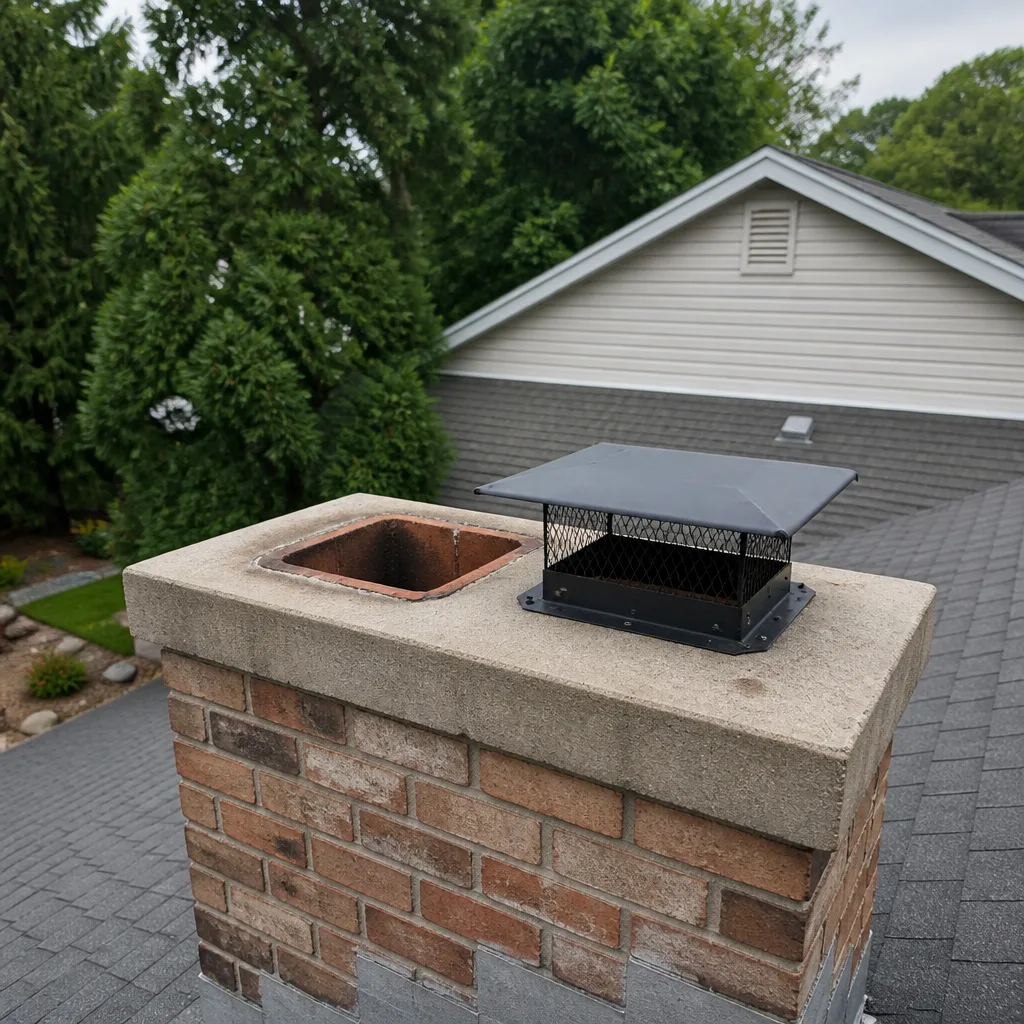
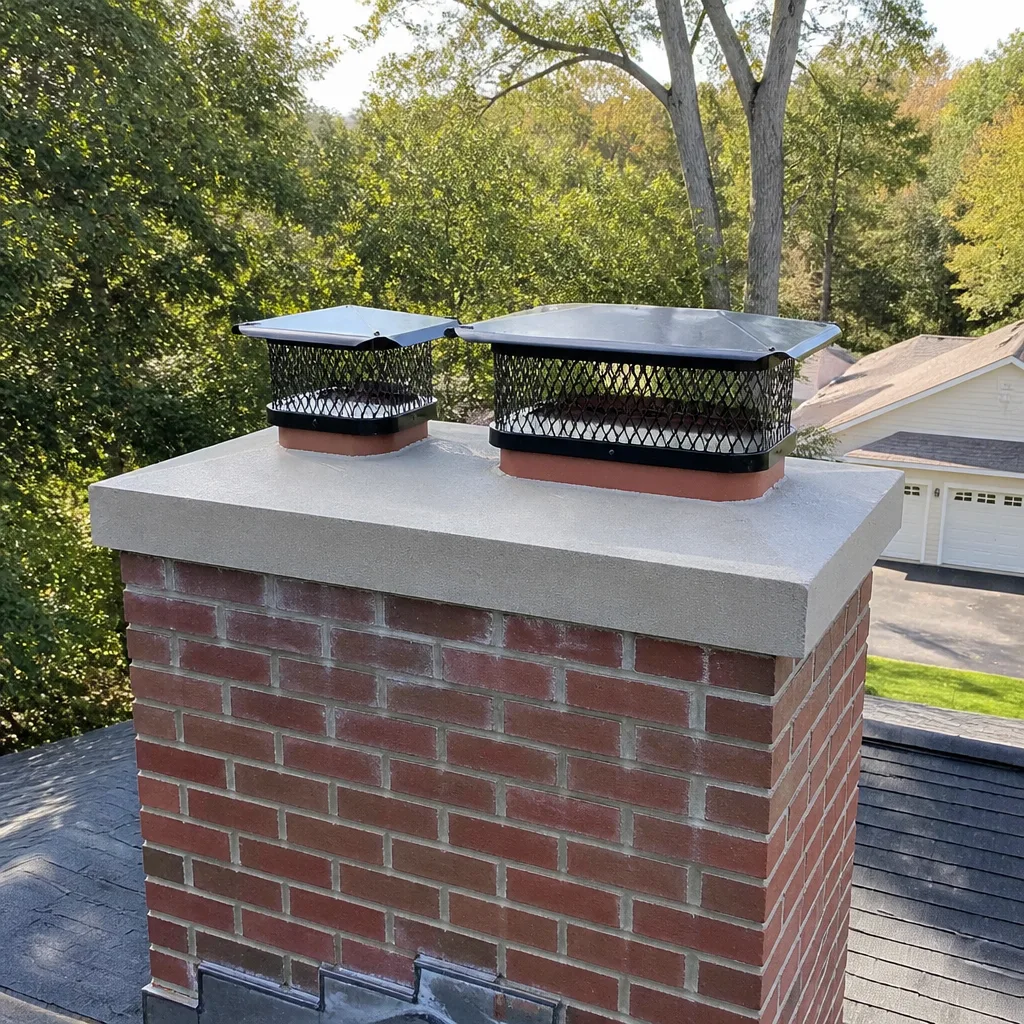
- Chimney caps: The metal lid that keeps rain, snow, animals, and debris out of the flue. Material choice here, stainless versus galvanized, is one of the most common failure points we encounter in Near North Side, especially on vintage buildings near the lake where wind-driven moisture accelerates corrosion.
- Waterproof sealants: Applied to masonry to prevent water intrusion, which is the number one cause of chimney deterioration. A breathable sealant repels water while allowing moisture vapor to escape. A non-breathable sealant traps moisture inside the masonry, which then freezes and spalls the brick face.
Understanding these four categories gives you a framework for evaluating any chimney contractor. If a company can speak specifically about what they use in each category and why, you’re talking to a professional. If they say “we use good stuff,” start asking harder questions.
Liner Systems: The Backbone of Chimney Performance
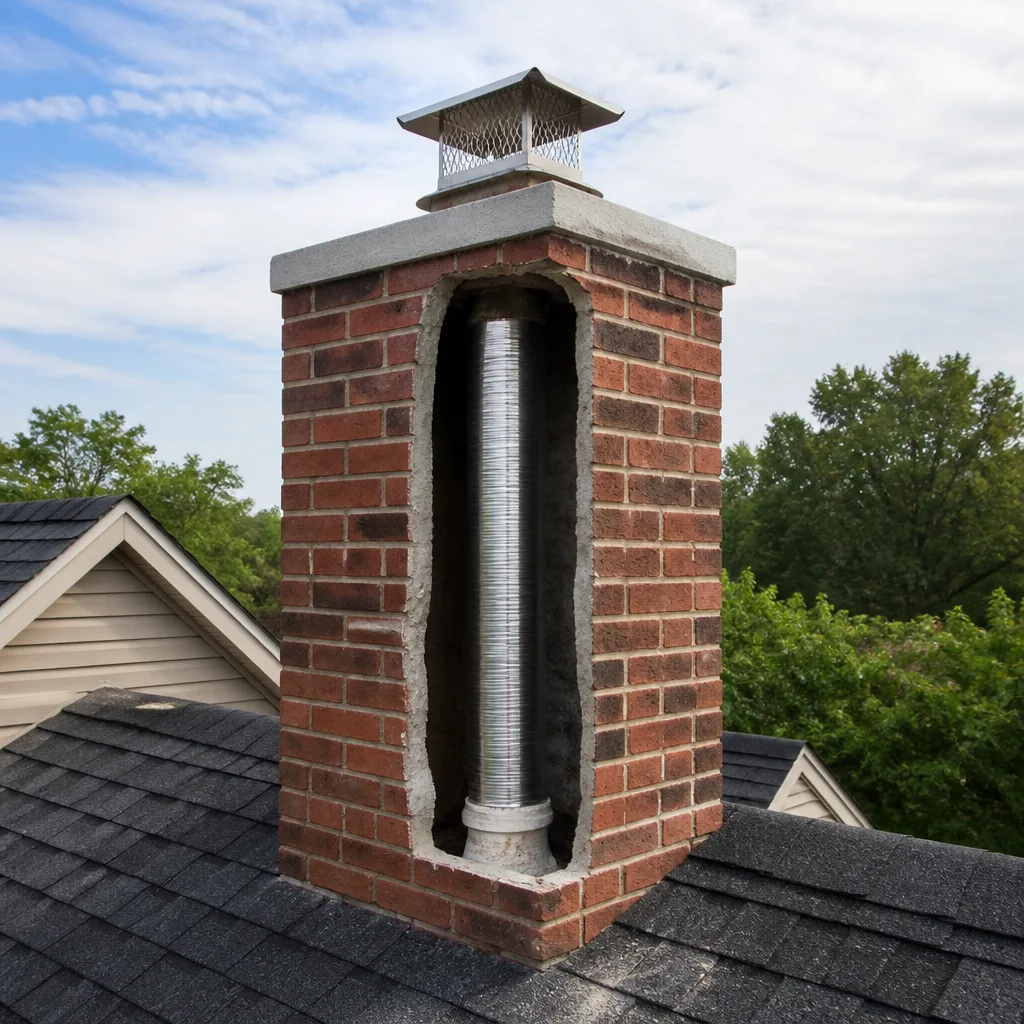
A chimney liner does the unglamorous work of containing combustion gases, protecting the surrounding masonry from heat transfer, and providing a correctly sized exhaust path for your appliance. When it fails, the consequences range from inefficient drafting to carbon monoxide intrusion to chimney fires. That’s why liner selection matters more than almost any other material decision in the chimney service industry.
Specification-grade liner systems are tested and listed to UL standards for specific applications. DuraFlex, for example, manufactures a range of stainless liner systems with different alloy specifications depending on the fuel type: one alloy for natural gas or oil, another for wood burning. The difference matters because wood combustion produces acidic condensate that attacks lower-grade stainless over time. A homeowner with a wood-burning fireplace in Lincoln Park needs a different liner than a homeowner with a gas insert in River North, even though both might be pitched a generic stainless option.
Our Chimney Sweep in Near North Side service includes liner inspection as a standard part of every visit because the liner is where most hidden problems begin. A camera inspection reveals what’s actually happening inside: cracks, gaps, corrosion, misalignment. You can’t see any of it from the ground.
What should a homeowner ask about liners? Three questions expose almost everything:
- What brand of liner do you install? A legitimate answer is a name: DuraFlex, Copperfield, Famco. “We use whatever the supply house has” is a red flag.
- Is the liner UL-listed for my specific fuel type? Wood, gas, and oil have different requirements. The answer should be immediate and specific.
- What gauge is the liner, and is it single-ply or double-ply? Thicker walls handle more thermal stress. Some chimneys don’t need the heavy option, but you want a contractor who can explain the difference.
In our experience, the difference between a well-installed specification-grade liner and a big-box substitute often shows up in year four or five, not year one. The homeowner who pays a little more for a Copperfield liner gets a component built to outlast the season. The homeowner who saves money on a generic liner too often ends up paying for a second replacement before the first one should have failed.
Refractory Cements and Resurfacing Products: What’s Actually in the Mix
When a chimney sweep finds cracked flue tiles or deteriorating mortar joints, the repair often involves applying a refractory material that can withstand the high temperatures inside a flue. This is not the same as standard masonry mortar, which performs well in cooler applications but degrades under sustained flue heat and acidic condensate. The right product for this job is a specialized ceramic or refractory cement designed specifically for chimney and furnace applications.
HeatShield is one of the recognized names in this space. Their system involves cleaning and preparing the damaged flue, then applying a specialized Cerfractory material that restores the flue’s structural integrity and seals cracks. The material is engineered for chimney temperatures and combustion byproducts, which is what separates it from a bucket of general-purpose fire cement.
Another product line we discuss with homeowners is Thermocrete, a specialty refractory used for rebuilding damaged flue liners. It’s a different approach than a full stainless liner replacement, and whether it’s the right call depends on the condition of the existing flue and the homeowner’s goals. The point isn’t that one product is universally better. The point is that both are engineered for chimneys, and both should be options a qualified contractor can discuss in detail.
The big-box alternative is usually a refractory caulk or furnace cement sold in a small tub. It’s fine for sealing a seam on a cast iron stove. It’s not a material you want someone using to repair a structural crack in a flue that vents a wood-burning fireplace. Yet we’ve seen exactly that, applied in a thick band over damage that required a resurfacing product or a liner replacement. The homeowner sees a patch and thinks the problem is solved. The underlying crack continues to expand with every heating cycle.
Our Chimney Repair in Near North Side service uses resurfacing products from manufacturers like HeatShield and Gelco because the repair has to hold up to the same conditions that damaged the original masonry in the first place. It’s not about brand loyalty. It’s about matching the material to the thermal reality of a working chimney.
Chimney Caps in a Freeze-Thaw Climate: Stainless vs. Galvanized
Near North Side sits in a freeze-thaw climate that punishes chimney components. Water finds its way into tiny cracks and crevices, freezes and expands, then thaws and contracts. Repeat this cycle dozens of times over a Chicago winter and you start to see how materials fail. Chimney caps take the brunt of this abuse because they sit at the very top of the flue, fully exposed to rain, snow, lake-effect wind, and direct sun.
The material choice for a chimney cap comes down to stainless steel versus galvanized steel. Stainless resists corrosion essentially indefinitely in normal residential conditions. Galvanized steel has a zinc coating that eventually sacrifices itself to protect the underlying metal, and when that coating wears away, the steel begins to rust. In a climate with regular freeze-thaw cycles and wind-driven moisture, galvanized caps typically show visible rust within three to five years. Stainless caps routinely last fifteen to twenty or longer.
The downstream cost of a failed cap is where the real money hides. A rusted-through galvanized cap allows water directly into the flue. That water degrades the liner, soaks into the smoke shelf and firebox, and accelerates deterioration of the mortar crown. A homeowner who installed the cheaper cap might save forty or fifty dollars on the day of purchase, then pay for a liner replacement or crown rebuild three years later. We see this pattern in Near North Side repeatedly, especially on older brownstones and vintage condo buildings where the original masonry is already vulnerable.
Also worth considering: cap design. A well-made stainless cap should have a proper screen to keep animals out, a lid that overhangs the flue opening, and fasteners that won’t work loose in high wind. Brands like Famco and Copperfield manufacture caps to professional specifications, which means the screen mesh is appropriate for the flue size and the attachment hardware is designed for the application. It’s not just a piece of metal sitting on top of your chimney. It’s the first line of defense against everything the Chicago weather throws at your flue.
Waterproof Sealants: The Difference Between Repelling and Trapping Moisture
Masonry chimneys are porous. Brick, mortar, and concrete all absorb water, which is exactly why chimney crowns crack and brick faces spall after enough Chicago winters. The standard defense is a waterproof sealant applied to the exterior masonry. But not all sealants do the same job, and some actually make the problem worse.
A proper chimney sealant is breathable. It repels liquid water from the surface while allowing water vapor inside the masonry to escape. This matters because chimneys contain moisture from combustion, condensation, and the surrounding structure. If you seal that moisture in with a non-breathable product, it gets trapped inside the brick, where it freezes and expands in the next cold snap. The result is accelerated spalling: brick faces popping off, mortar joints crumbling, and a chimney that looks ten years older than it is.
The products that work are silicone-based or siloxane-based water repellents designed specifically for masonry chimneys. Professional-grade options from manufacturers like Gelco and Olympia Chimney are formulated to penetrate deeply and provide long-term water repellency without changing the appearance of the masonry. They’re not the same as the waterproofing spray sold for decks or concrete patios.
Here’s the practical test: ask your chimney contractor what sealant they plan to use and whether it’s vapor-permeable. They should be able to answer immediately and explain the difference. If they look confused, that’s a signal that waterproofing is treated as an add-on upsell rather than a legitimate part of chimney preservation. In Near North Side, where masonry chimneys sit through dozens of freeze-thaw cycles each winter, the right sealant can extend the life of your chimney by years. The wrong sealant can accelerate its failure.
Questions to Ask Before You Book: A Step-by-Step Script
The single best protection a Near North Side homeowner has is the ability to ask specific questions that separate specification-grade companies from price-driven ones. Here’s a practical script you can use on the phone before you schedule a sweep or repair:
- “What brand of liner do you install?” Expect a named manufacturer: DuraFlex, Copperfield, Famco, or similar. A vague answer means you’re dealing with a company that buys on price.
- “Is the liner UL-listed for my fuel type?” Wood, gas, oil, and pellet each have different requirements. A professional gives you a specific answer about your specific appliance.
- “What resurfacing product do you use for cracked flue tiles, and how do you determine when a liner replacement is the better option?” Look for a company that explains both options and the diagnostic process behind the recommendation.
- “What material is your standard chimney cap?” Stainless is the right answer for a climate like ours. If they offer galvanized, ask why. If the answer is “it’s cheaper,” you know what you’re dealing with.
- “Do you use a camera inspection during every sweep, and can I see the footage?” A company that shows you the inside of your own flue is a company that wants you to understand what you’re paying for. A company that doesn’t offer this is asking you to trust them blindly.
- “Is your chimney sealant vapor-permeable?” They should say yes and explain that a breathable sealant prevents trapped moisture. If they don’t know what vapor-permeable means, they’re not qualified to waterproof your chimney.
These questions aren’t designed to trip anyone up. A qualified Chimney Sweep in Near North Side should be able to answer all of them in about thirty seconds. And when you get clear, specific answers, you’ve found a company that takes materials seriously.
How Material Quality and Warranty Legitimacy Are Linked
Warranties in the chimney industry are only as good as the materials and the installation behind them. A contractor who installs a specification-grade liner from DuraFlex can offer a meaningful warranty because the manufacturer stands behind the product and the installation methods are documented. A contractor who installs a generic liner from an unknown manufacturer can offer you a piece of paper with a promise on it, but there’s no product manufacturer to back that promise, and no track record of how the material performs in real-world conditions.
A legitimate product warranty typically covers manufacturing defects, not installation errors or normal wear. That’s an important distinction. When a DuraFlex liner fails at a seam after three years, the manufacturer wants to know why, and if it’s a defect, the product is likely covered. When a generic liner fails at a seam after three years, you’re calling the contractor who installed it, and hoping they’re still in business and willing to stand behind their work.
What a warranty requires is just as important as what it covers. Most liner warranties require installation by a trained professional, proper sizing for the appliance, and regular chimney maintenance. Skip your annual sweep, and the warranty language may give the manufacturer a way out. This is another reason why the sweep-to-repair continuity matters: we find it, we fix it, and the documentation shows the chimney was properly maintained along the way.
A sweep who can’t or won’t name their liner brand cannot offer you a meaningful product warranty, because there’s no named manufacturer standing behind the material. The warranty becomes a personal promise from someone you may never see again. In our experience, Near North Side homeowners who choose specification-grade materials are buying two things: the product itself, and the accountability that comes with it.
Common Mistakes to Avoid
- Choosing price over material quality without knowing the difference. A chimney sweep that’s fifty dollars cheaper often means a liner that’s a few gauges thinner or caulk from a big-box store. You won’t see the difference until it fails.
- Not asking what brand of liner or resurfacing product will be used. This is the single most important question in the entire booking process, yet almost nobody asks it. Ask it before you agree to anything.
- Accepting a galvanized chimney cap in a freeze-thaw climate. Near North Side winters will rust it through in a matter of years, and the water intrusion that follows costs far more than the cap ever saved.
- Applying a non-breathable sealant to masonry. Trapped moisture freezes and spalls brick faces. If your contractor can’t explain the difference between vapor-permeable and non-permeable sealants, don’t let them touch your chimney.
- Skipping the camera inspection. A visual inspection from the roof tells you what’s visible. A camera inspection tells you what’s happening inside the flue, where the actual problems live. Never book a sweep that doesn’t include one.
- Treating chimney service and dryer vent service as separate problems. They’re both fire hazards in the same house, and addressing them together is more efficient. Two fire hazards, one visit. It’s why we include Dryer Vent Cleaning in Near North Side alongside chimney service.
When to Call a Professional
If you haven’t had your chimney swept in over a year, or if you’ve noticed any of these signs, it’s time to call: a smoky fireplace, a burning smell when the fire is lit, visible soot buildup on the damper, water stains on the ceiling near the chimney, or animals nesting in the flue. For a full breakdown of what professional cleaning involves, see The Complete Guide to Chimney Cleaning in Near North Side. If you’ve recently bought a home in Near North Side and don’t know the chimney’s service history, schedule an inspection before the first fire of the season. If your dryer has been taking longer than normal to dry clothes, or the exterior vent hood feels hot during a cycle, that’s a separate fire hazard worth addressing in the same visit. Sandstone Chimney Sweep offers free estimates in Near North Side, call (833) 589-7835.
Frequently Asked Questions
A standard chimney sweep in Near North Side typically runs between $175 and $300, depending on flue size, accessibility, and whether repairs are needed beyond the cleaning. Homes with older masonry or complex rooflines may run higher because the work takes longer and requires more safety equipment. Call (833) 589-7835 for a specific quote for your chimney, estimates are free.
You only need a new liner if the existing one is cracked, corroded, or improperly sized, and a camera inspection should show you the evidence directly. A legitimate contractor will show you the footage and explain what you’re seeing before recommending a replacement. If they recommend a liner without showing you the inside of your flue, get a second opinion.
The National Fire Protection Association recommends annual chimney inspection and cleaning as needed, which for most wood-burning fireplaces in Near North Side means once per year. Homes that burn a lot of wood may need more frequent sweeping, while gas fireplaces typically require less, though they still need annual inspection.
Skipping chimney sweeping allows creosote to build up inside the flue, which increases the risk of a chimney fire, and allows minor damage like cracked tiles or a failing cap to go undetected until the repair becomes expensive. The annual sweep is the cheapest insurance you can buy for your chimney. Call (833) 589-7835 to schedule yours.
Lint buildup in a dryer vent is one of the most common and overlooked residential fire hazards, and it also forces your dryer to work harder, which shortens its lifespan and increases energy costs. Most homes should have dryer vents cleaned annually, especially older Near North Side buildings with long or narrow vent runs.
Yes, combining chimney sweeping and dryer vent cleaning in a single visit is an efficient way to address two of the biggest household fire hazards at once, and it saves you the hassle of scheduling two separate appointments. Two fire hazards, one visit. That’s the entire point of offering both services together.
The Bottom Line
Choosing the right chimney cleaning brand in Near North Side comes down to materials, not marketing, as detailed in The Complete Chimney Sweep Guide for Near North Side Homeowners. A specification-grade liner from DuraFlex, a HeatShield resurfacing, a stainless Famco cap, and a breathable Gelco sealant are products engineered for chimneys, not workarounds. Ask what’s being installed before you book, watch the camera footage during the service, and expect your contractor to explain what you’re looking at. The cheap option in this trade usually costs more by year five. Built to outlast the season isn’t an advertising slogan. It’s a material choice.
Written by the team at Sandstone Chimney Sweep, serving Near North Side since 2017.
See the difference
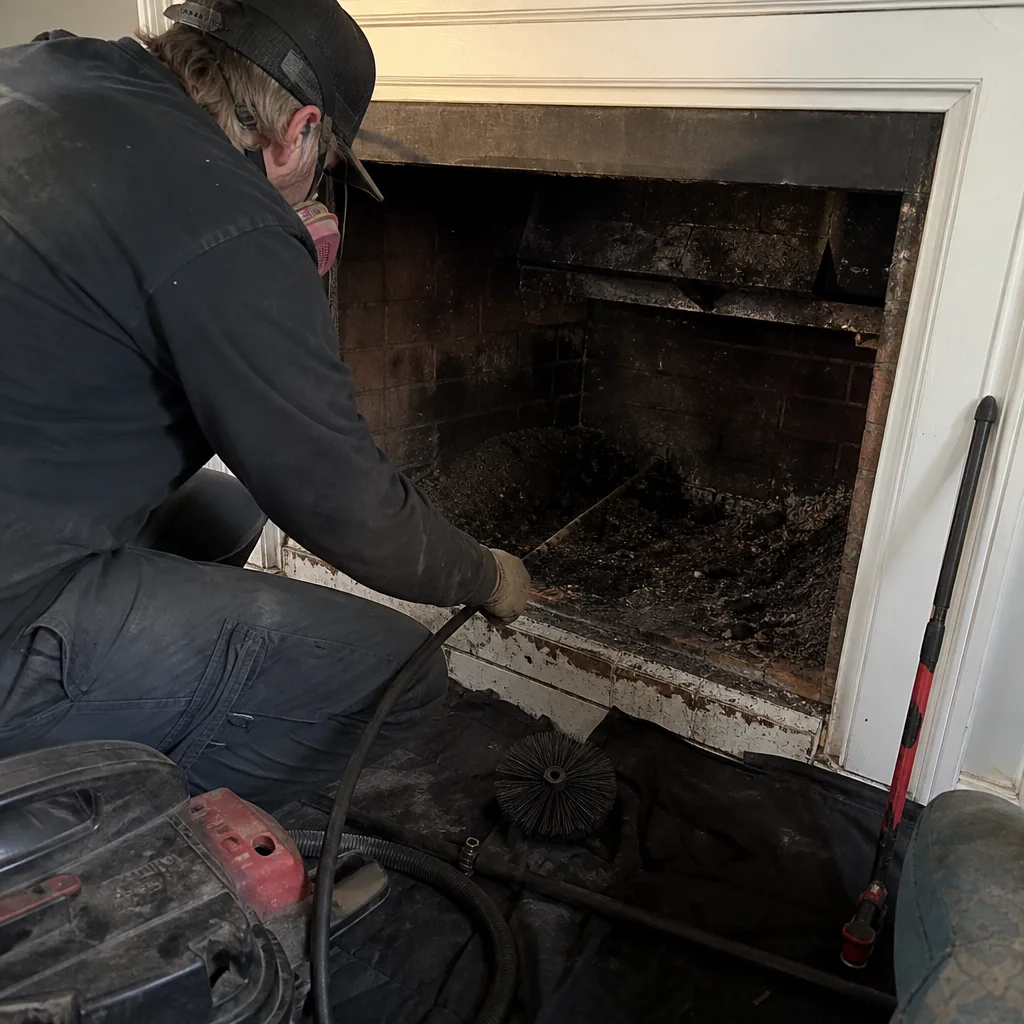 Before
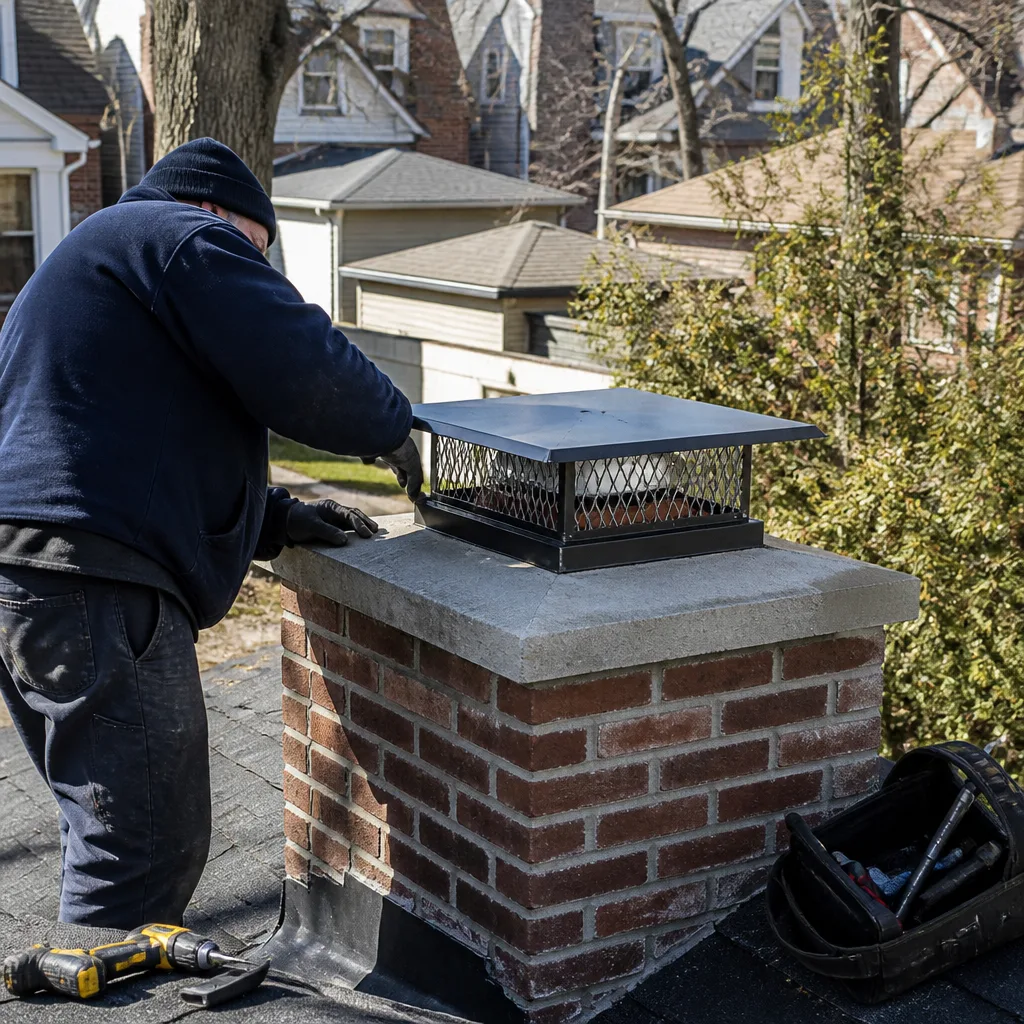 After
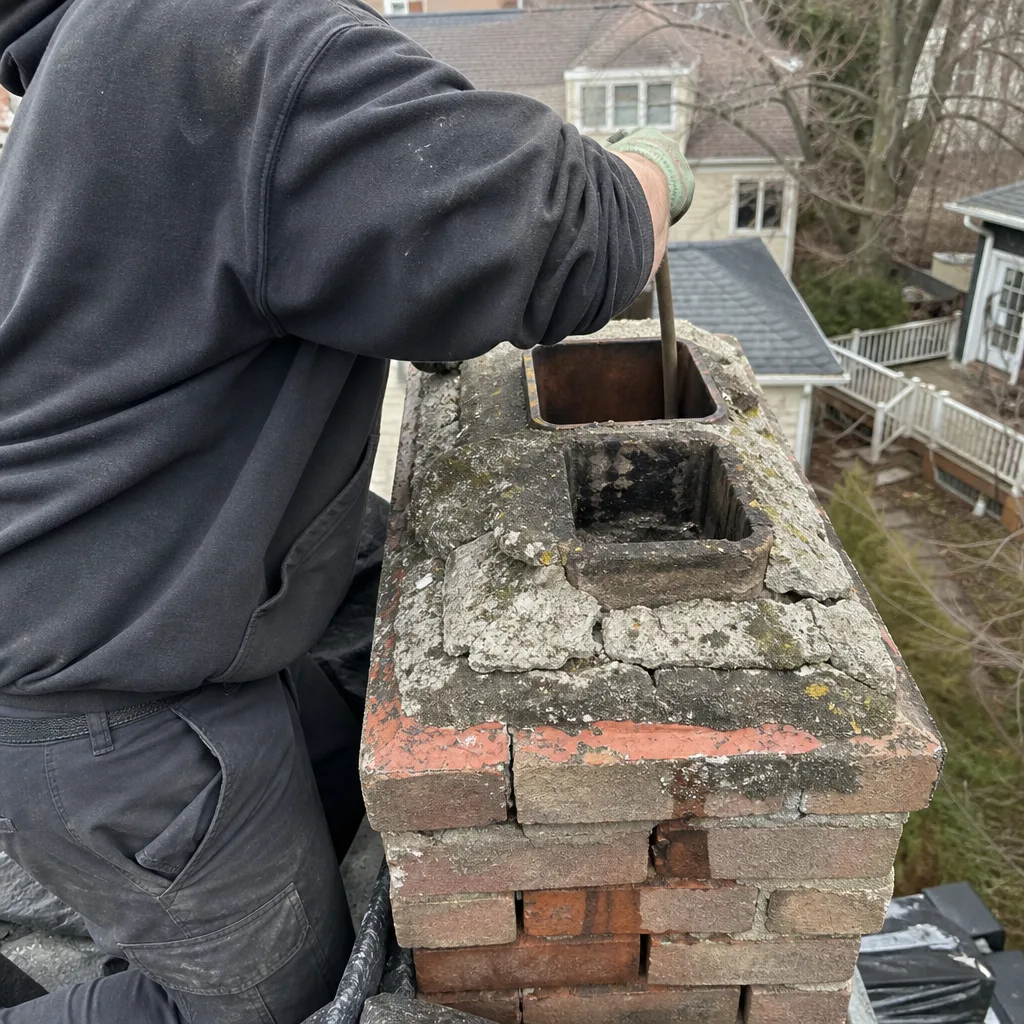 Before
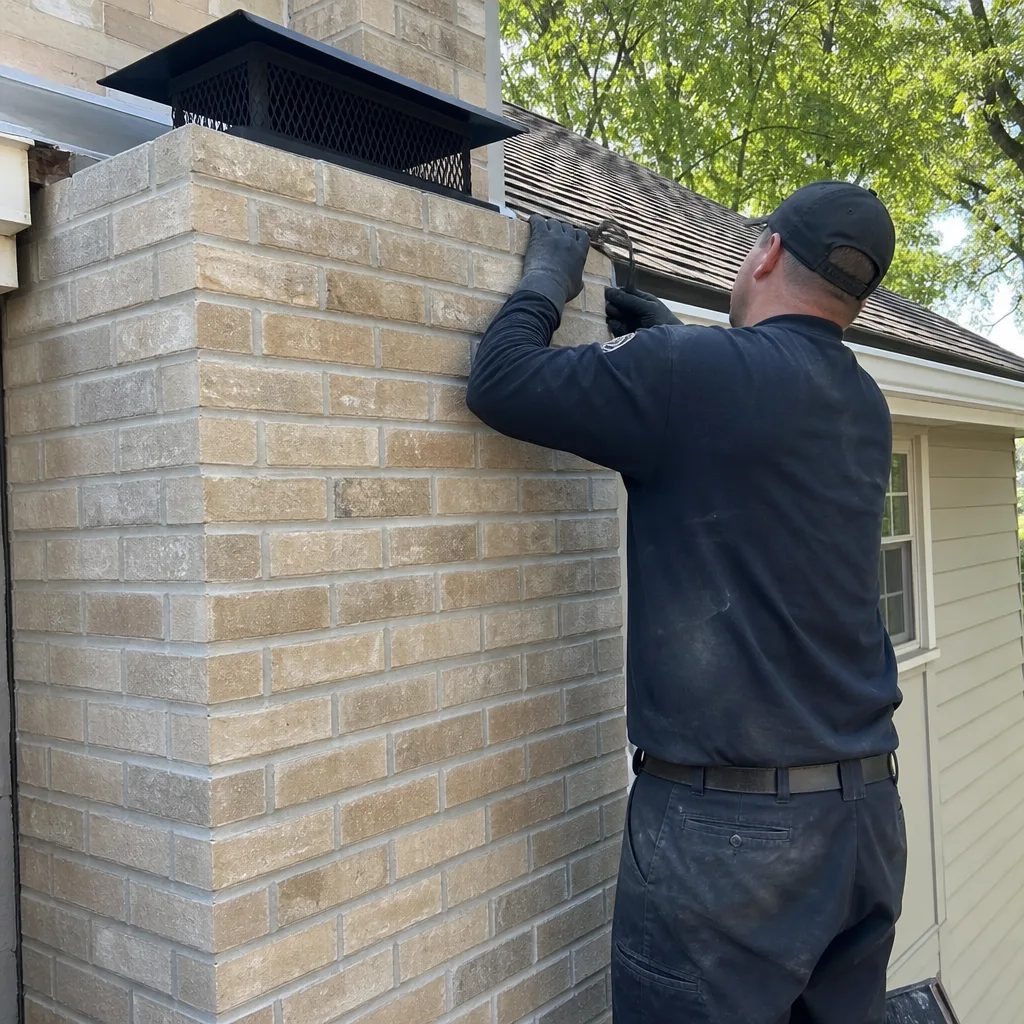 After
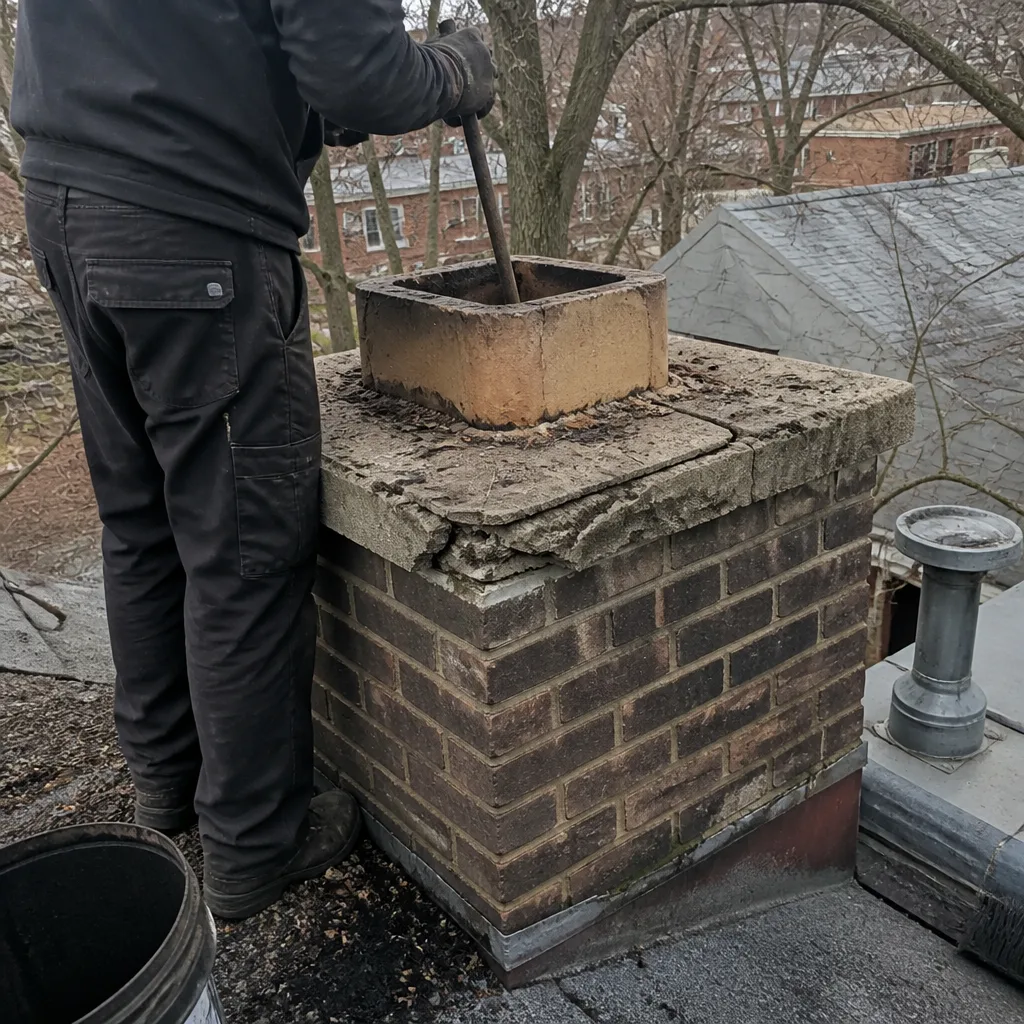 Before
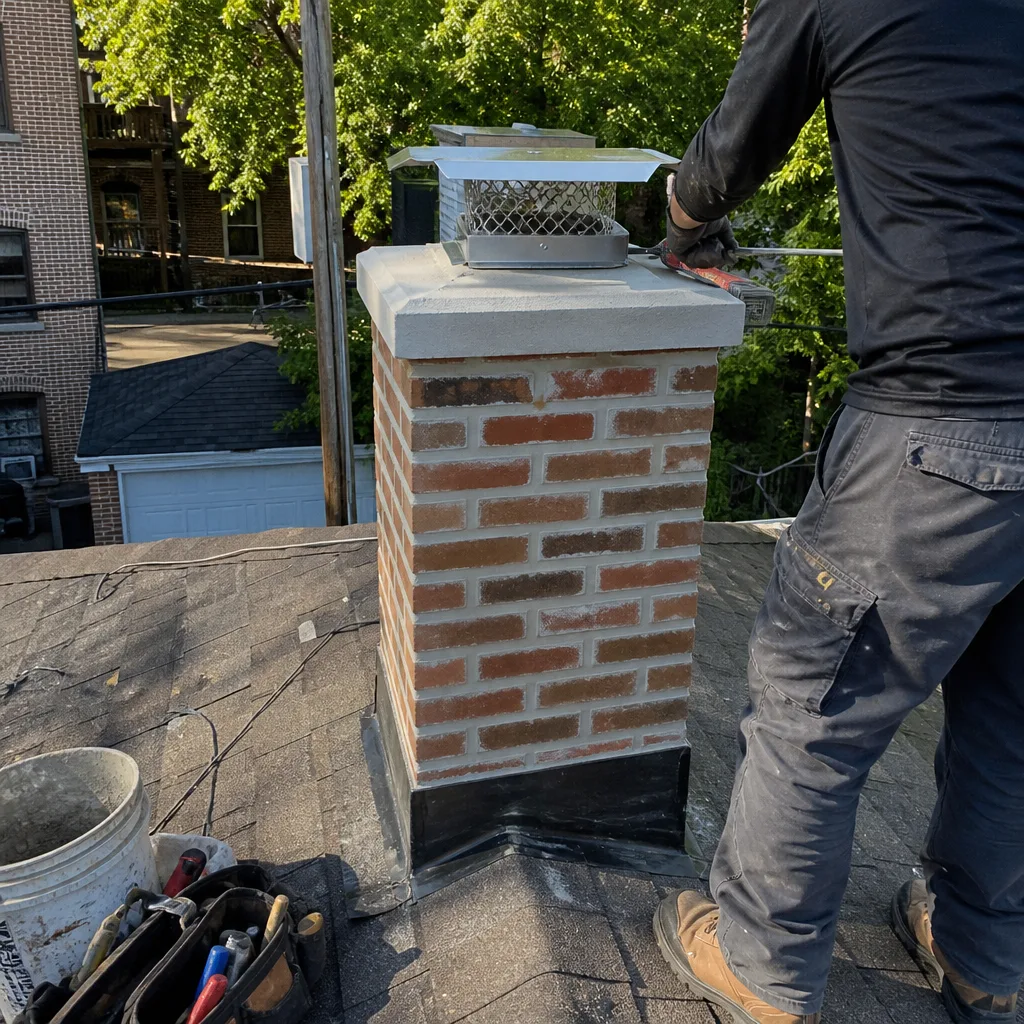 After